While type 2 diabetes is common, many cases go undiagnosed because many people skip doctor visits or blood tests that screen for the disease.
A new AI tool may offer a faster option for patients.
Researchers found that they can detect signs of type 2 diabetes by listening to a 20-second recording of someone speaking.
Listening for Clues
Researchers say diabetes can change your voice. For example, it can make your speech rougher or affect your breath control. Deep tech company Thymia and RMIT University built an AI model to catch these small changes.
They trained the AI on over 63,000 voice samples, then tested it by having people read short stories out loud. The AI gave higher risk scores to people with diabetes 80% of the time. When evaluated against real blood work from a smaller group, the model correctly identified 82% of people with the condition.
While these results were promising, the tool had a harder time with people who have heart disease or obesity, as those conditions also change how you sound. It also underperformed for black participants because there wasn’t enough data from that group to learn from.
Advertisement
Screening Type 2 Diabetes with AI
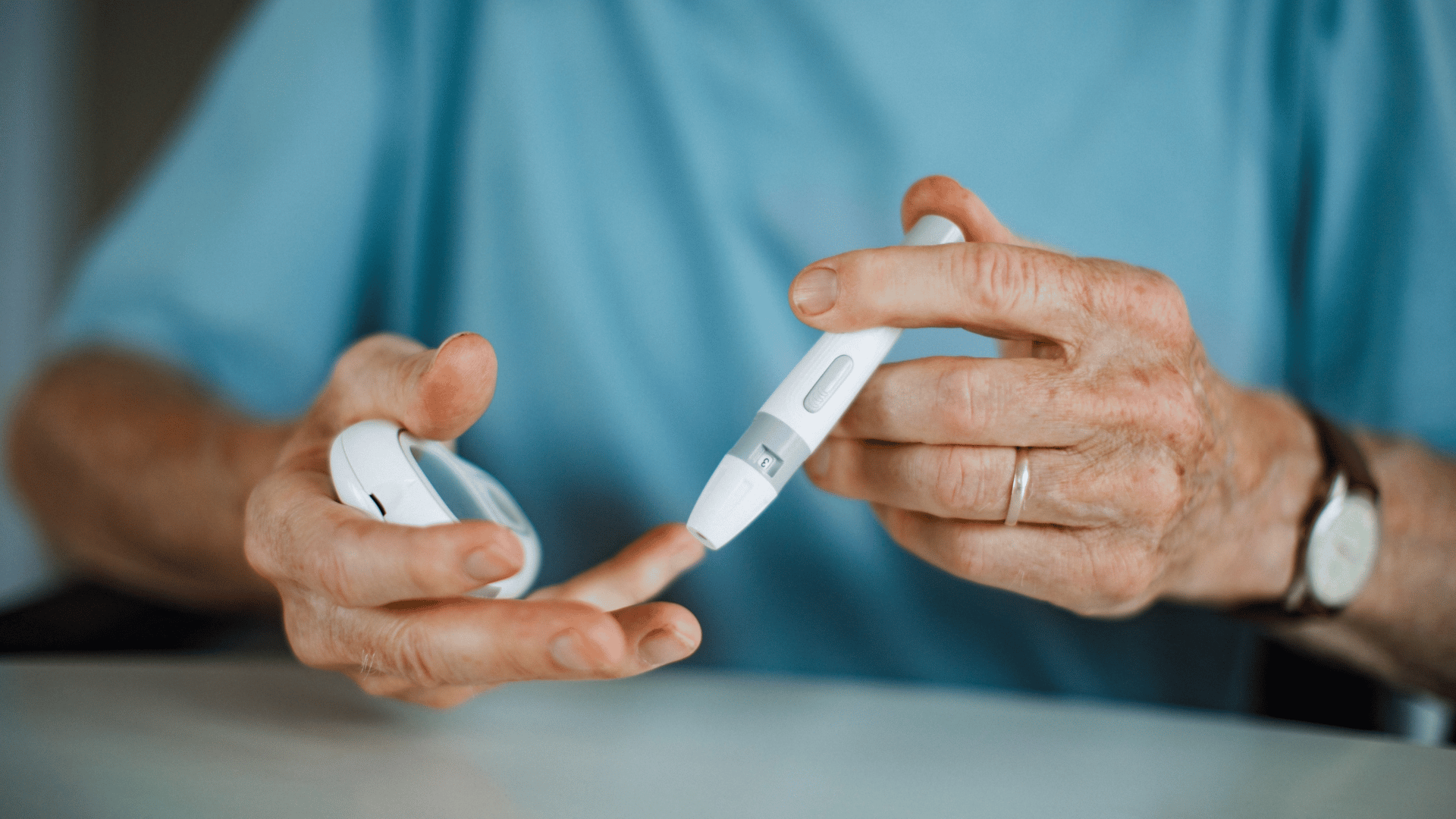
The idea is that doctors can use short audio clips to quickly determine who needs blood work most, rather than skipping blood tests entirely.
“This is the largest real-world study of speech-based screening for type 2 diabetes to date, which also checks the model’s predictions against blood test results as well as against what people reported about their own diagnosis,” Giedrė Čepukaitytė, a research scientist at Thymia, explained. “Those flagged up as higher risk by the model had blood results to match.”
Čepukaitytė continued, “This has the potential to change what screening looks like. A speech sample can be taken over the phone or through an app, so we can reach far more of the people who need a blood test than current pathways do, particularly those who never get to a health check.”
The research scientist added that their next step is to test the AI model in a clinical setting to understand how well it works across different groups of people.
“… a screening tool has to work for everyone,” Čepukaitytė concluded.
 Read Exclusive Stories
 Bookmark & Save Articles For Later