Ludwig van Beethoven created some of the most moving classical pieces in history. When people hear the opening notes of his Fifth Symphony or the quiet sadness of the Moonlight Sonata, they feel an instant surge of energy. He did not write light background tunes. He poured his deepest personal battles straight into his music.
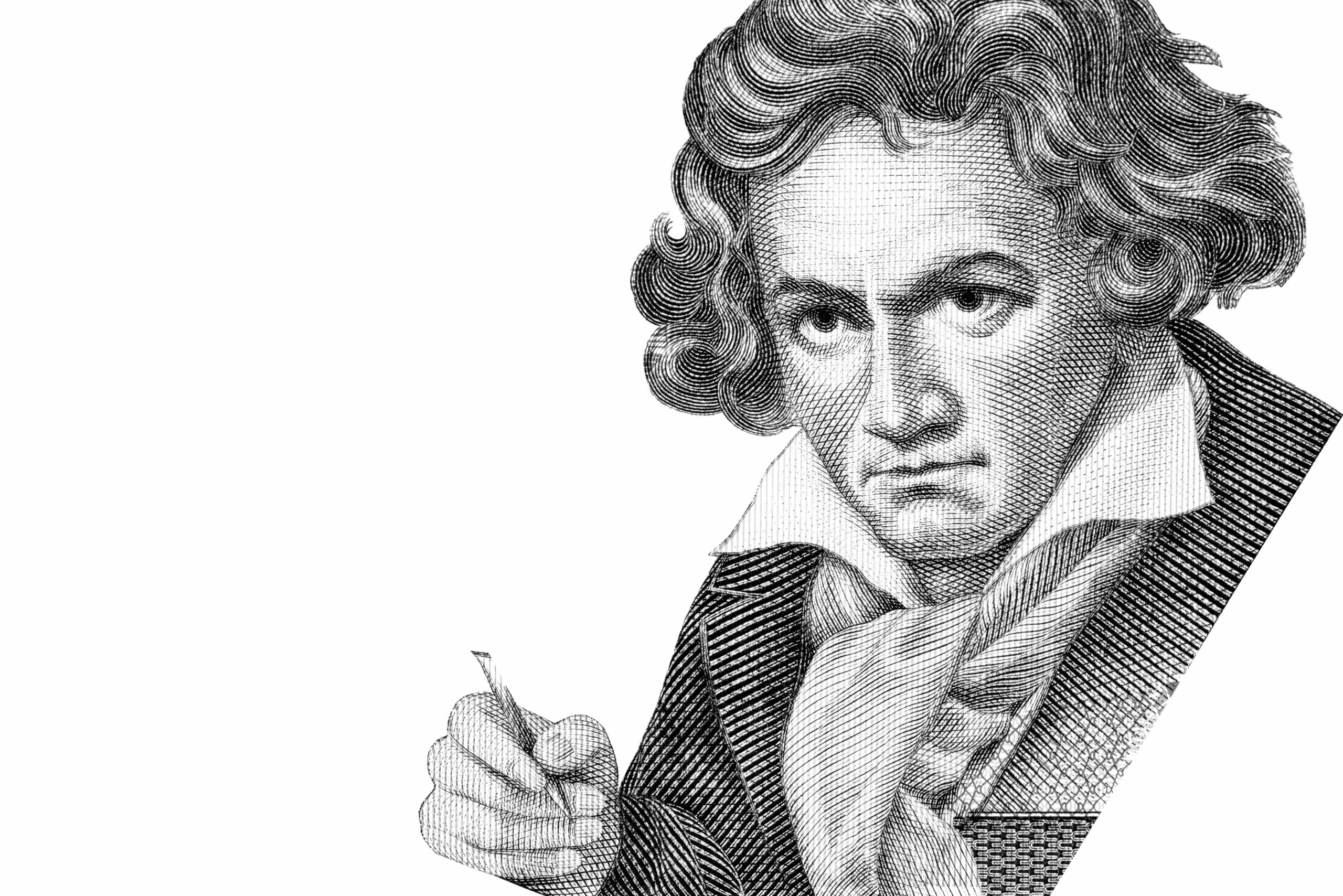
To understand why his music hits so hard, we have to look at what actually inspired him.
Inspiration Found in Personal Struggle
Beethoven did not have an easy life. In his late twenties, he noticed a constant ringing in his ears. By his early forties, he was almost completely deaf.
In a 1802 letter known as the Heiligenstadt Testament, Beethoven confessed his despair to his brothers. He admitted that his hearing loss brought him close to ending his life.
And yet, he chose to keep living for his art. His sound transformed right after this crisis. He stopped following the polite, quiet rules of older European composers. Instead, he treated music as an outlet for personal frustration, courage, and survival.
Nature and Big Ideas
Personal tragedy was not his only inspiration. Beethoven loved nature and spent long hours walking through the woods outside Vienna with a sketchbook. His Sixth Symphony, the Pastoral, explicitly describes country scenes, flowing streams, and sudden thunderstorms. Nature gave him peace away from his failing ears.

He also drew ideas from the political changes of his era. He cared deeply about individual freedom and heroics. When he composed his Third Symphony, the Eroica, he aimed to capture the struggle for human liberty.
How He Built Emotional Intensity
Beethoven used specific composition techniques to make listeners feel raw emotion:
- Sudden dynamic shifts: He would drop a melody down to a whisper, then hit the orchestra with a deafening blast.
- Persistent rhythms: He repeated simple four-note patterns with relentless energy to build tension.
- Expanding the orchestra: He added trombones, piccolos, and extra horns to make his symphonies sound bigger and louder than anything before him.
Writing Music Without Hearing It
By the time he finished his famous Ninth Symphony in 1824, Beethoven could not hear the orchestra at all. He relied entirely on his internal memory of pitch and harmony.
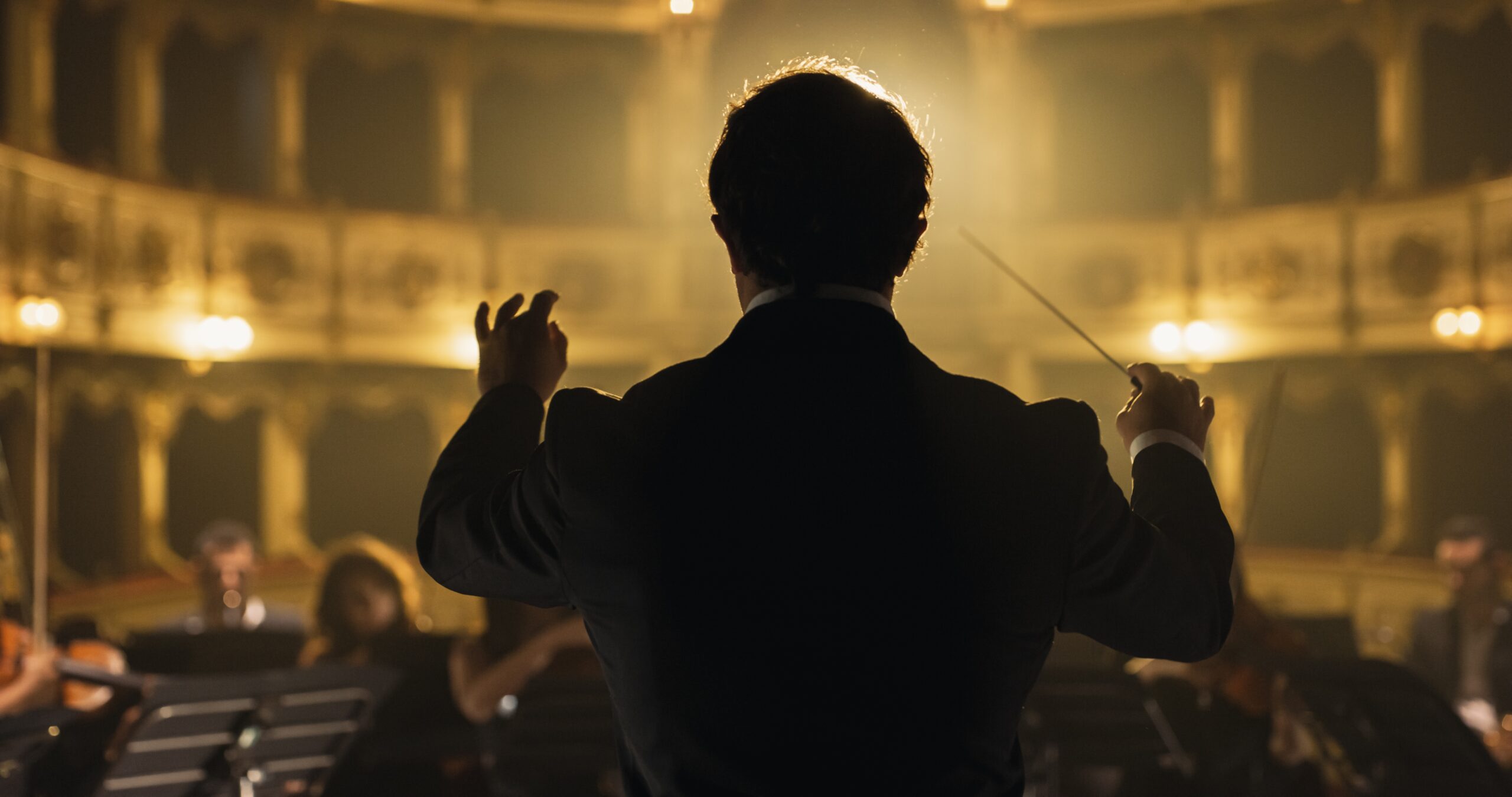
Historical records show that at the premiere, a singer had to turn him around so he could see the audience applauding. He could not hear the noise, but he could see the impact of his work. His courage proved that deep human feeling can overcome total physical silence.
 Read Exclusive Stories
 Bookmark & Save Articles For Later