An international team of researchers has built 6,986 “digital brain twins” to see how aging, brain disease, and the outside world affect our minds.
Published in the journal Nature Biomedical Engineering, the project uses fMRI scans from people aged 18 to 100 across 16 countries to build personalized computer models. Researchers modeled 90 connected brain regions for each person, adjusting the virtual math until the computer’s simulated MRI signals matched the real human scans.
“MRI records indirect measures of neural activity,” said Rubén Herzog, the study’s first author, researcher at BrainLat, and Distinguished Professor at the University of the Balearic Islands. “Biophysical twins let us simulate the neural processes that might generate those signals and explore why they differ from person to person.”
How an Environment Shapes the Brain
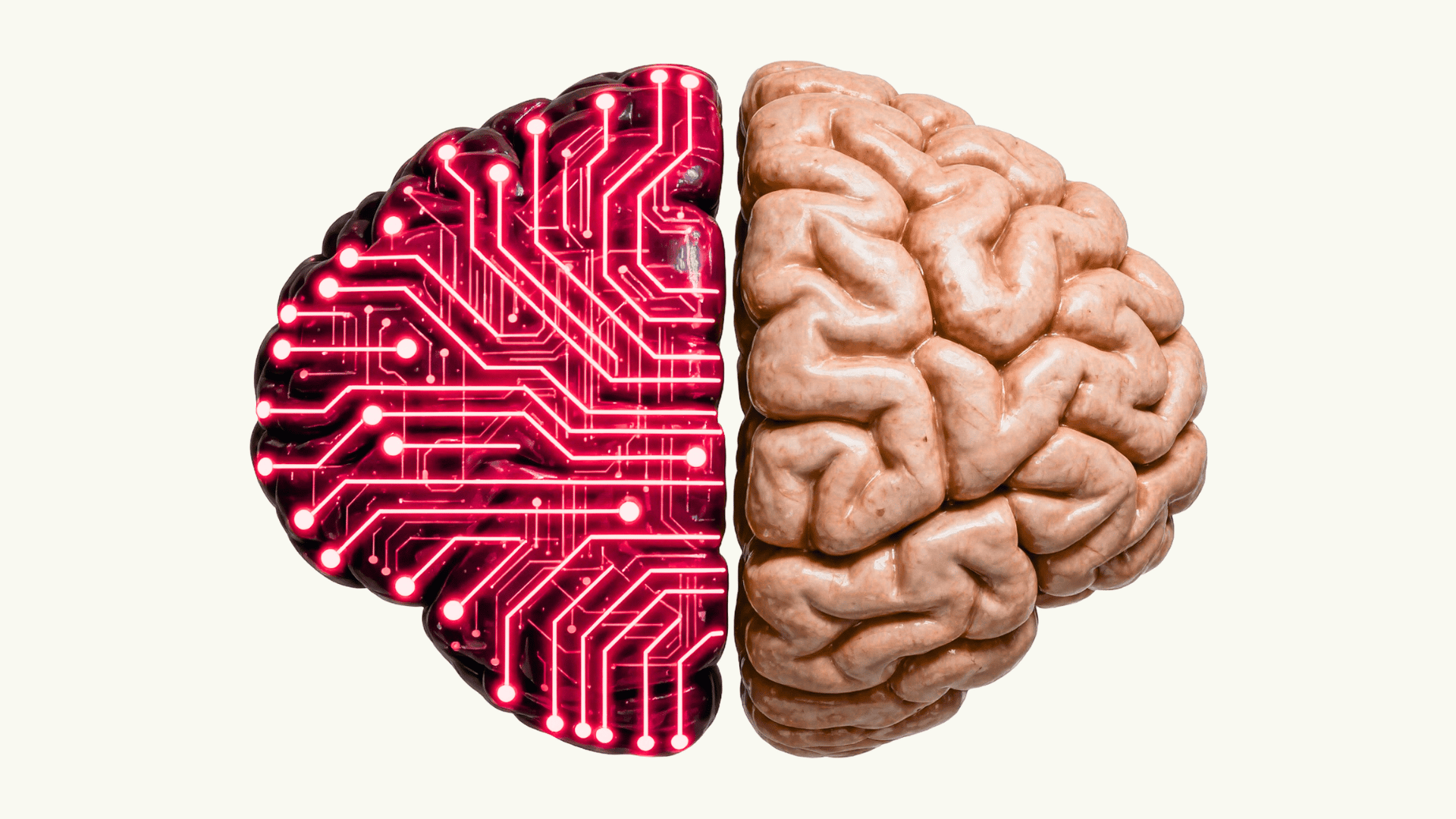
Past brain studies often relied on small groups or broad averages. This project examines individuals and connects their brain activity to their daily lives to determine if where and how someone lives leaves a mark.
The team found strong links between brain activity and seven out of ten environmental factors they studied. The biggest ties involved air pollution, soil and water quality, and democratic conditions like free choices and the rule of law. Personal factors like healthcare access, childhood experiences, and money also played a role.
Advertisement
The models also spotted clear differences in how healthy brains age compared to those with Alzheimer’s disease or frontotemporal degeneration.
A Virtual Lab For Treatments
“Every brain ages in a different context. Our biophysical twins help us study how the variations in our biology and the social and environmental conditions of our lives relate to brain function,” said Agustín Ibáñez, the corresponding author of the study, who is Scientific Director of BrainLat at Universidad Adolfo Ibáñez, strategic director of the core scientific assets of the Barcelona Beta research center, and Faculty at the Global Brain Health Institute at Trinity College Dublin. “The importance of biophysical brain twins is that they connect what brain scans record with the underlying processes that could produce those signals.”
“Each twin acts as a personalized virtual laboratory: researchers can adjust how its neural populations interact and examine how those changes affect the whole brain,” Ibáñez added. “This opens a route from observing differences to testing possible explanations, mechanisms, potential treatments and interventions.”
The team is sharing its code so other scientists can run their own virtual tests.
Eventually, researchers hope to test how cleaner air or new medical treatments might shift an unhealthy brain pattern back toward a healthier one, though they still need to verify if these twins can accurately predict real human changes over time.
 Read Exclusive Stories
 Bookmark & Save Articles For Later