In 2026, about 67,000 people will be diagnosed, and 52,000 will die from it. The main issue is that people often find out they have it when it is already in an advanced stage.
“Pancreatic cancer can be curable, but only when we catch it early — and fewer than one in five patients is diagnosed in time,” said study co-author Cornelius Thiels, DO, MBA, FACS, a surgical oncologist at Mayo Clinic in Rochester, Minnesota. “As a result, survival for many patients is still measured in months, not years.”
Researchers at Mayo Clinic built an artificial intelligence model to help with the screening process. They wanted to find the people who have the highest risk of getting the disease.
“We know that pancreatic cancer forms over five to seven years, but the things that a clinician or patient sees don’t happen until it’s too late,” he said.
Finding Pancreatic Cancer Patterns
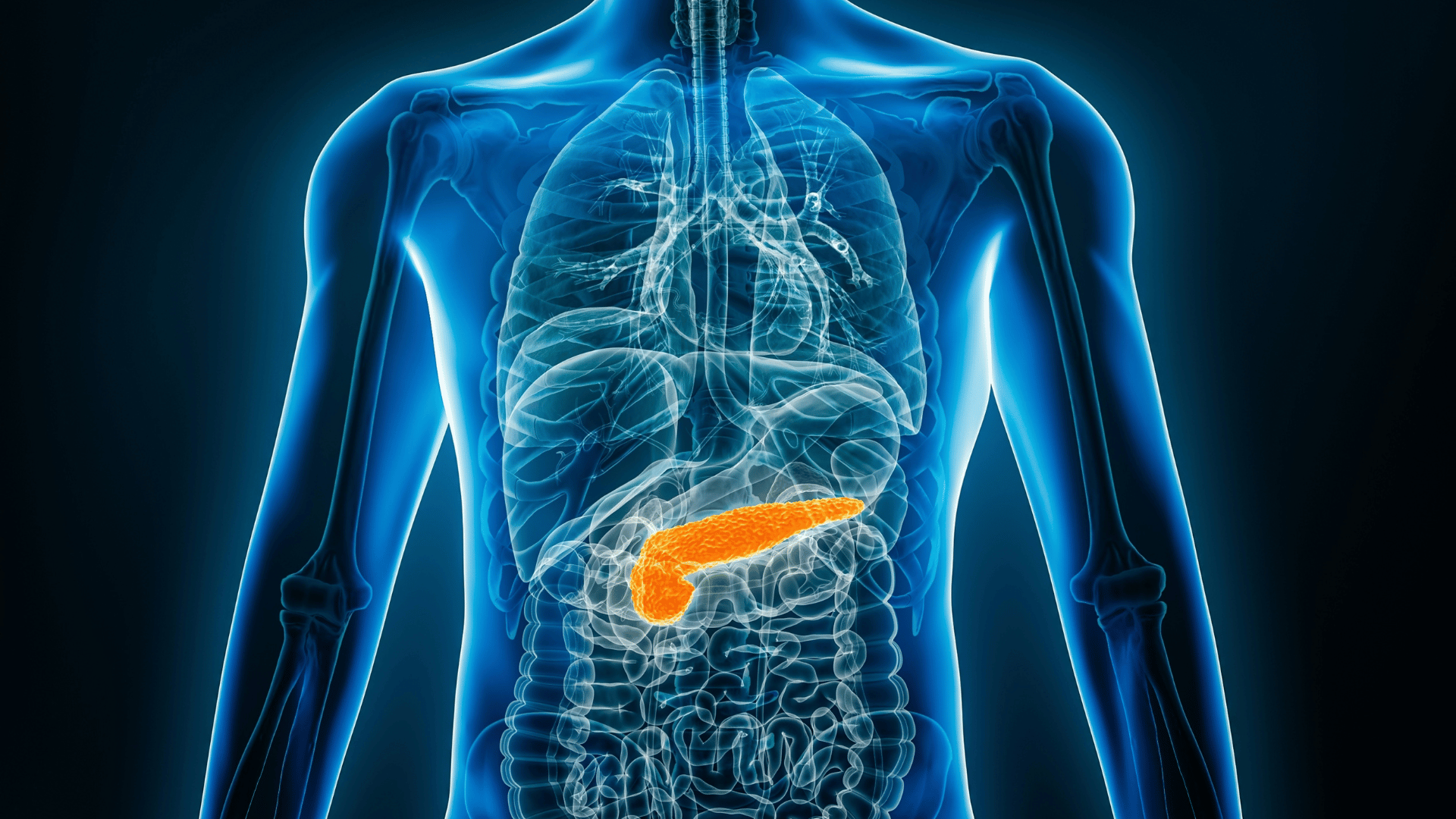
The team looked at medical records and routine lab tests from nearly 40,000 patients, including over 6,000 people with pancreatic cancer and over 33,000 without it. They tracked health histories over an average of a decade to find tiny clues that pop up early on.
Advertisement
The model showed it could accurately sort patients into high and low-risk groups up to three years before a diagnosis. It is also good at keeping false alarms low.
“Our model showed that a greater than 50% risk of pancreatic cancer predicted by our model indicated an 88% likelihood of being diagnosed with pancreatic cancer in one year,” said Dr. Varghese, a surgical data scientist at Mayo Clinic in Rochester.
Testing the Tech
The researchers are sharing their findings at the American College of Surgeons Clinical Congress 2026 in Washington this September. But they are also putting the AI to work right now. The model uses basic data that most hospitals already collect.
“We built this to be as generalizable, scalable, and easy to put into practice as possible,” Dr. Varghese added. “If it’s shown to work, it could be used in almost any setting.”
Right now, the team is testing the model in real-world clinical settings at Mayo and another hospital system.
“We’re proving that we can move this from a retrospective research tool into our clinical environment and run it prospectively for validation,” he said. “We are also working on developing more advanced machine learning architectures, which appear to improve the performance even more.”
 Read Exclusive Stories
 Bookmark & Save Articles For Later