Autumn brings a massive reset across nature. Trees gear up for winter, stop making green chlorophyll, and let brilliant red and yellow pigments shine through. If you want to see this science in action, five spots stand out above the rest.
New England, USA
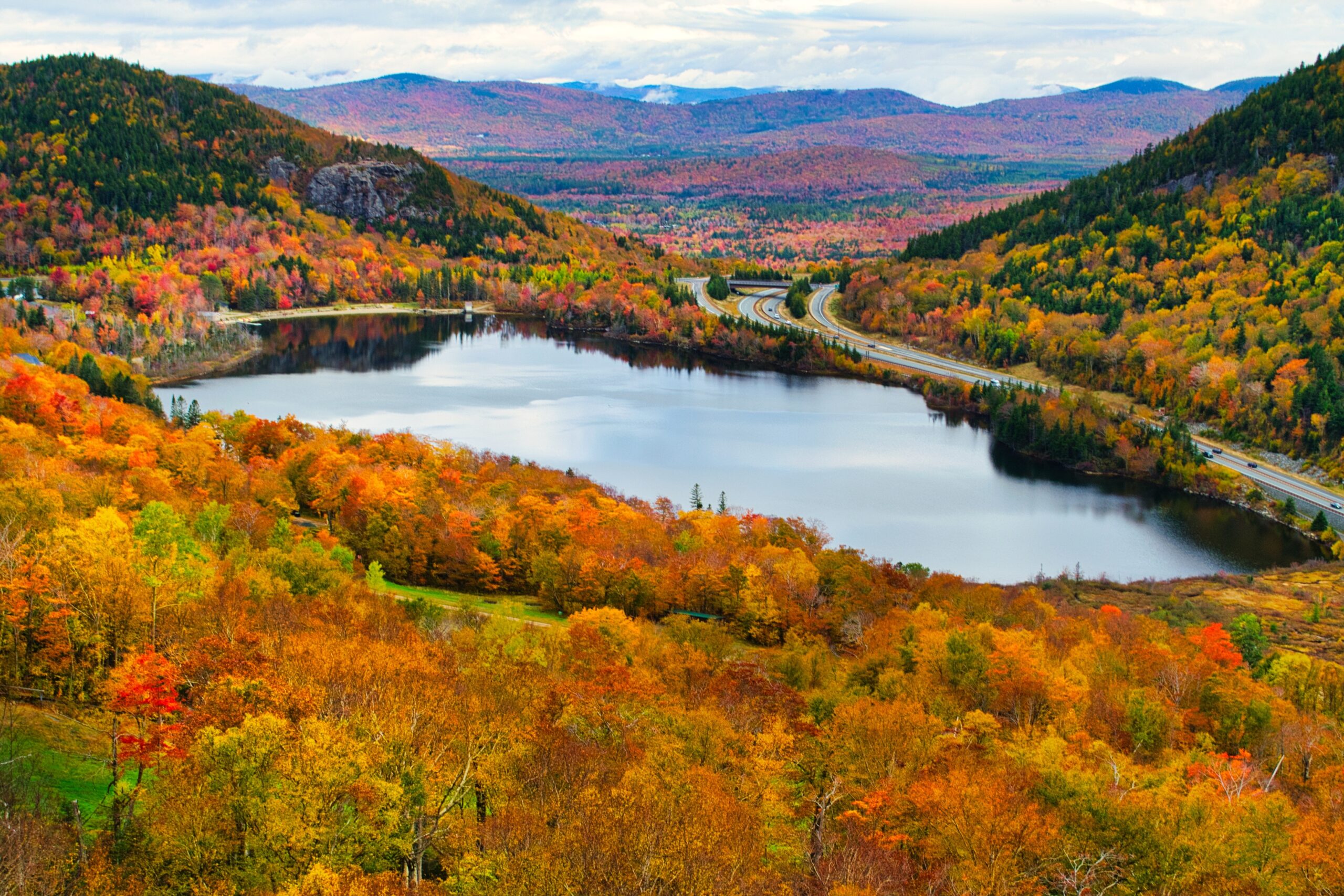
New England takes autumn foliage seriously. States like Vermont, New Hampshire, and Maine turn bright red, orange, and gold every October. Sugar maple trees dominate the landscape here. They produce extra sugar as temperatures drop. That extra sugar builds up in the leaves, creating some of the deepest red colors you will find anywhere on Earth.
Kyoto, Japan
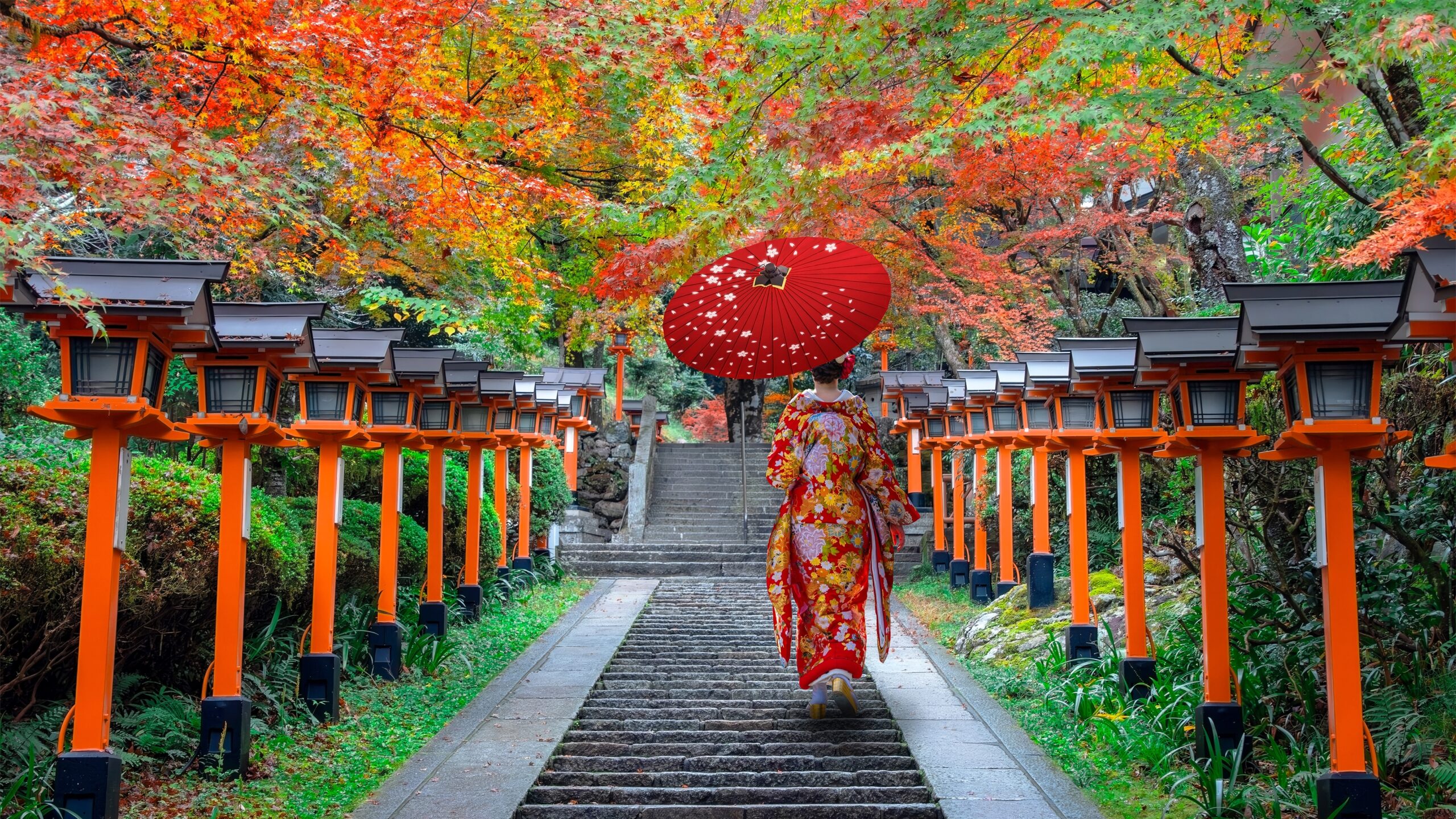
Japan celebrates fall foliage through a tradition called Momijigari, which means maple hunting. Kyoto offers a unique look at this plant science. Dark red Japanese maples frame historic wooden temples and calm ponds. Many public gardens light up the trees after dark. The artificial light hits the leaves, highlighting the rich red pigments late into the night.
The Canadian Rockies
Advertisement
Head up to Banff and Jasper in Alberta for a totally different leaf-changing experience. Most people expect maple trees, but these mountains feature subalpine larches. Larches are rare needle-bearing trees that act like deciduous plants. Their needles turn bright yellow in September. After a few weeks, the trees drop all their needles onto the mountain trails before cold weather hits.
Bavaria, Germany
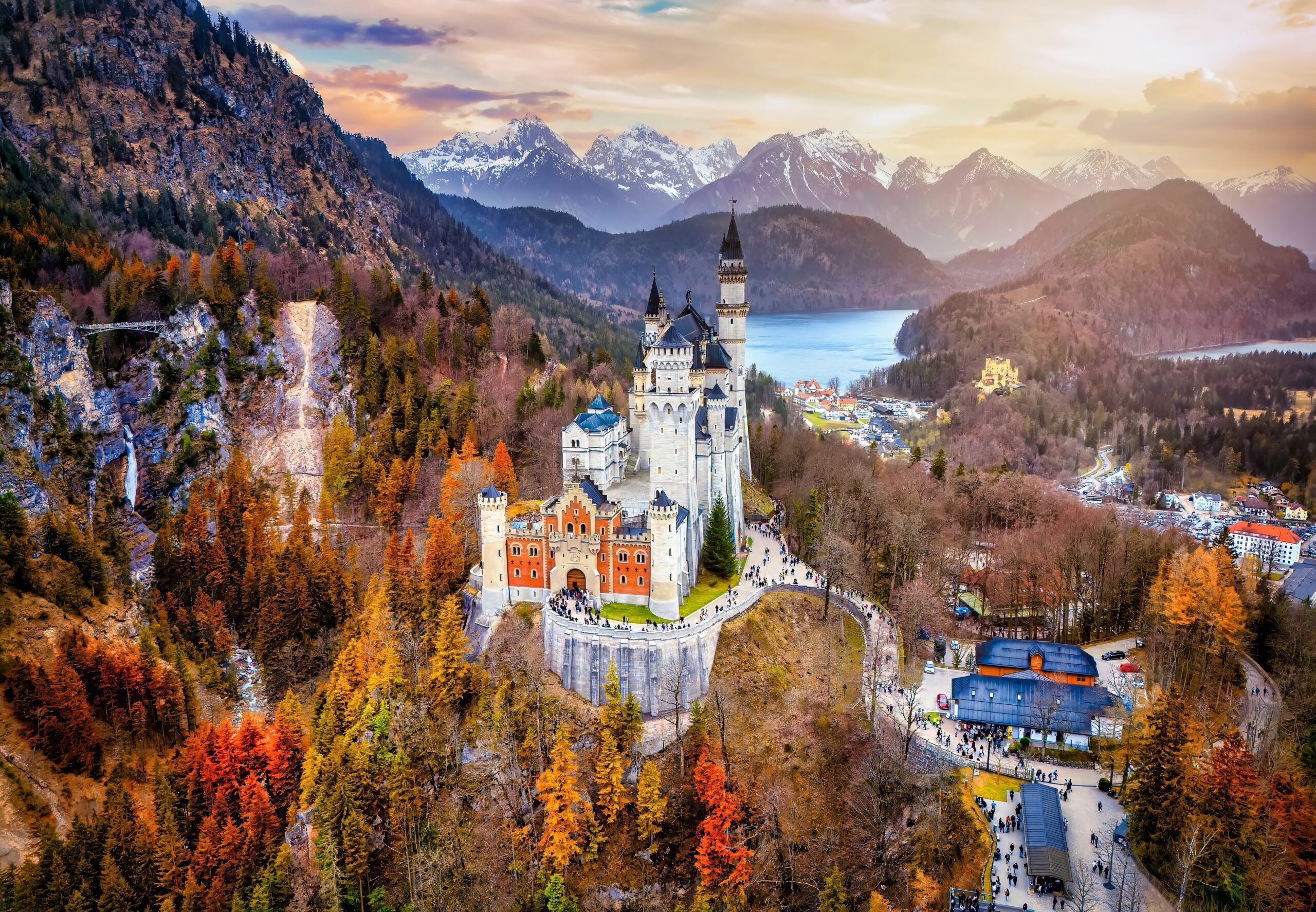
Southern Germany turns into a golden landscape every autumn. The forests surrounding Neuschwanstein Castle mix tall evergreen trees with broadleaf beech and oak species. As the broadleaf trees shift to bright yellow and copper tones, they contrast sharply against deep green pines. The damp mountain air keeps the leaves looking fresh and vibrant for weeks.
The Scottish Highlands
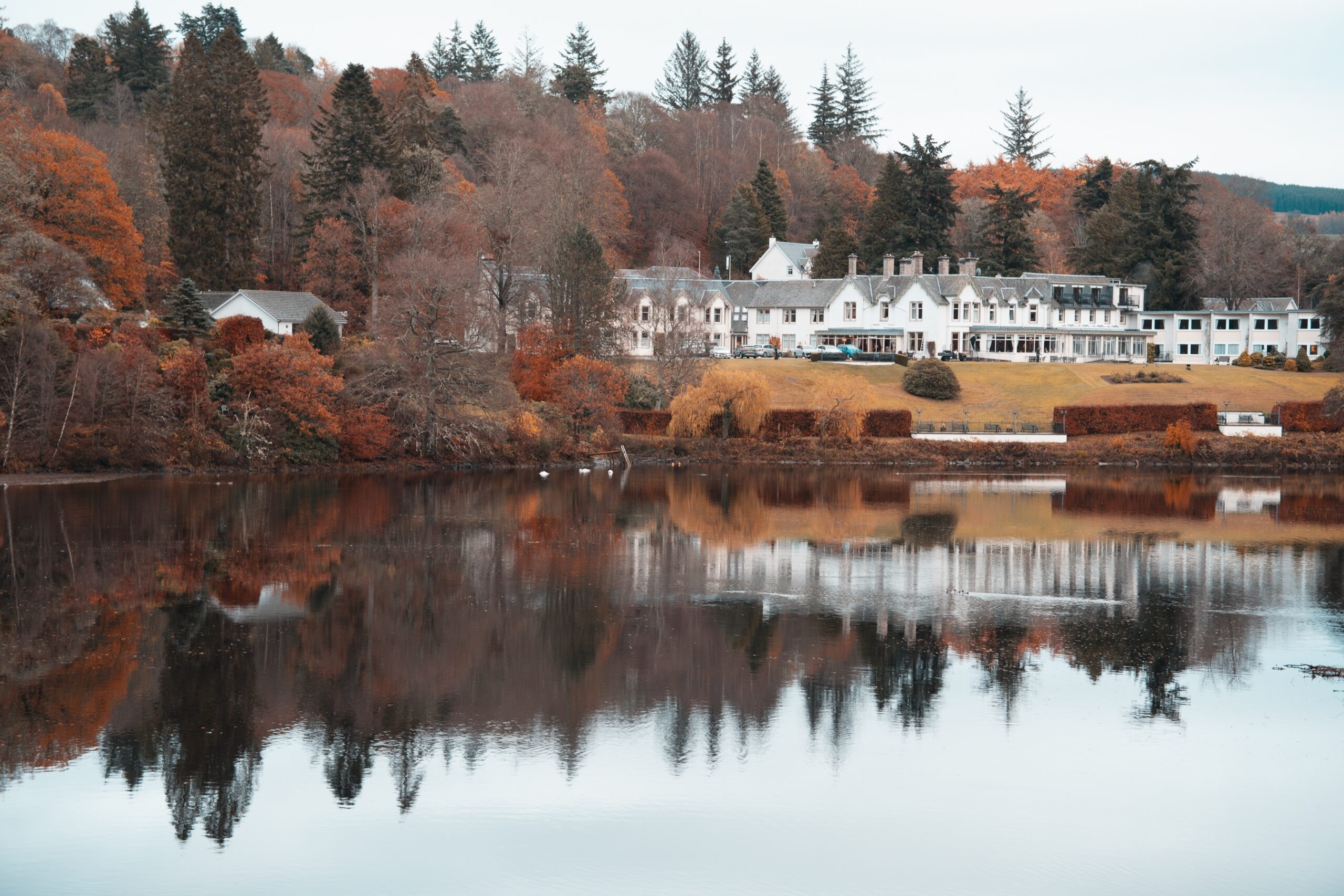
Scotland shows off autumn on a much larger scale. Entire rolling hills and glens shift to shades of rust, amber, and gold. The region called Perthshire earned the nickname “Big Tree Country” for good reason. Ancient oak and birch forests stretch across vast lochs, reflecting bright yellow foliage on calm water.
Why Leaves Change Color
Trees need sunlight to make food. During summer, green chlorophyll hides every other pigment inside the leaf. When days get shorter and the air cools, trees stop producing chlorophyll. The green fades away. Carotenoids and anthocyanins take over, revealing hidden yellows and vibrant reds. It is a simple chemical process, but it creates a world-class show every single year.
 Read Exclusive Stories
 Bookmark & Save Articles For Later