The U.S. Department of Energy is awarding up to $25 million to Quaise Energy to advance its Project Obsidian. This project is expected to be the world’s first commercial superhot geothermal power plant. The funding comes from a program focused on next-generation geothermal field tests.
Currently, the plant is under construction south of Bend in Central Oregon, at one of the most thoroughly studied geothermal sites in the United States. Quaise is developing Enhanced Geothermal Systems (EGS) technology that could eventually extract energy from hot rocks beneath almost any geographic area.
Extremely Hot Geothermal Energy
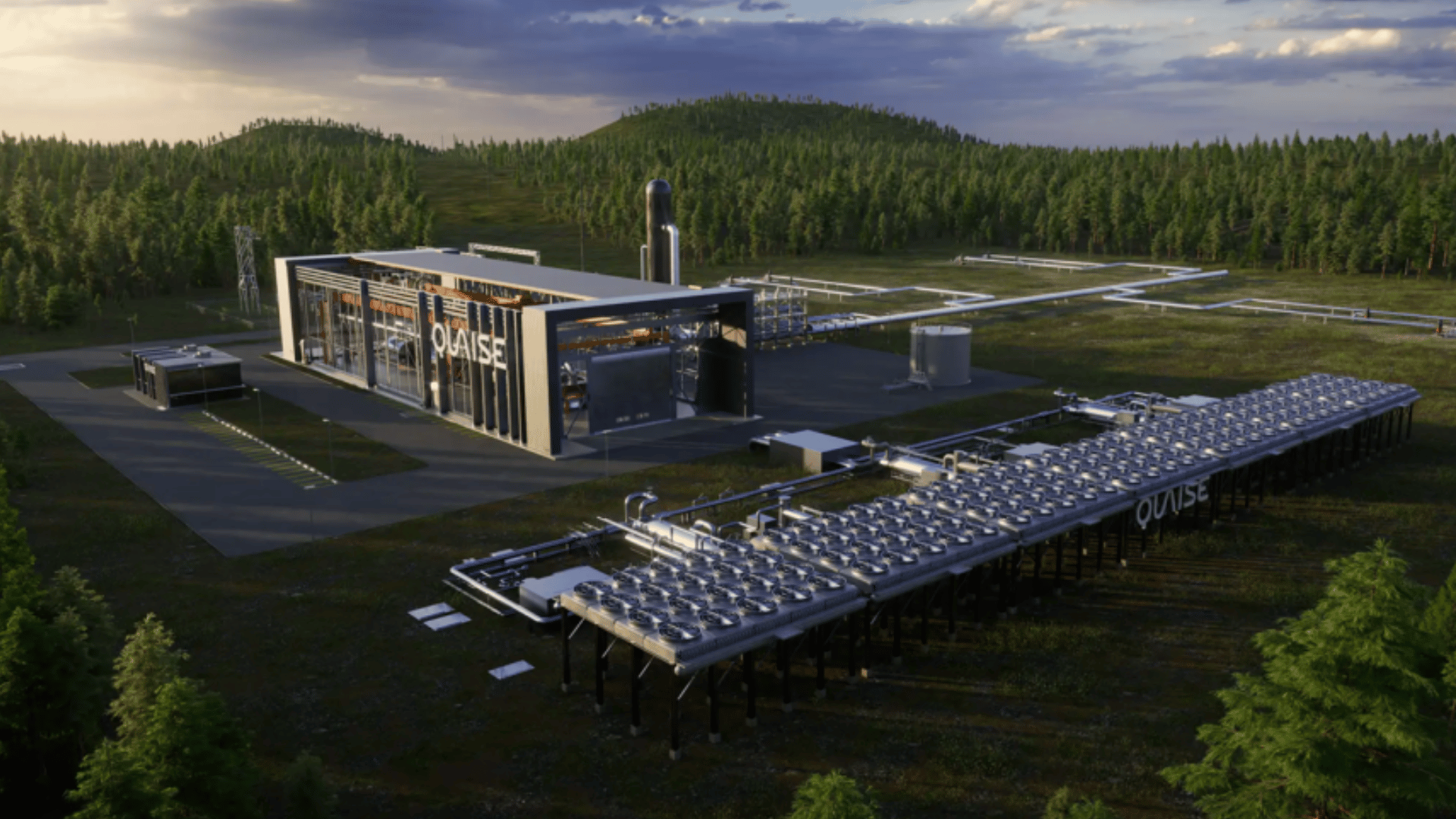
The new grant money is for analyzing the drilling, stimulation, and flow results from the project’s first two wells. Quaise will take those learnings to determine the best way to drill a third well at the site. Together, this specific three-well configuration aims to reach average reservoir temperatures of over 300 degrees Celsius (572 degrees Fahrenheit). Additionally, it’s designed to demonstrate more than 25 megawatts of gross electric power capacity.
Advertisement
“This DOE support is a recognition of what we are building at Quaise and the progress we are making in the field, including the confirmation well currently being drilled at Project Obsidian,” said Carlos Araque, CEO and President of Quaise Energy. “Our ambition has always been to make superhot geothermal a commercial reality, and Project Obsidian is where we first deliver on that promise.”
A 2030 Target
With these advanced techniques, Quaise expects to drill the hottest well in the Western Hemisphere. The company is targeting temperatures above 400 degrees Celsius (752 degrees Fahrenheit), which are beyond the range of current commercial geothermal projects.
If everything goes according to plan, phase one of Project Obsidian will produce more than 50 megawatts of electric power. The plant is expected to start delivering its first power to the Pacific Northwest grid by 2030. In the future, the site could expand and generate up to one gigawatt of electricity.
 Read Exclusive Stories
 Bookmark & Save Articles For Later