Imagine taking a tiny chunk of pure gold, no bigger than a marble, and beating it until it covers an entire bus. That is not a magic trick. It is the art and science of making gold leaf.
People have made gold leaf for thousands of years, but the process still feels almost impossible. Artisans take a metal that feels heavy and dense and turn it into something so thin that a light breeze can tear it apart. In fact, a single sheet of gold leaf is about 0.0001 millimeters thick. That is roughly 400 times thinner than a single strand of human hair.
So, how does heavy metal get so thin? It all comes down to creation, physics, and a unique quality of gold called malleability.
The Ultimate Pliable Metal
Gold is the most malleable metal on Earth. That means you can hammer, roll, and press it without it cracking or breaking. Gold atoms slide past each other easily without breaking their metallic bonds. Because of this atomic structure, gold can stretch further than almost anything else in nature.
Step 1: The Melt and the Roll
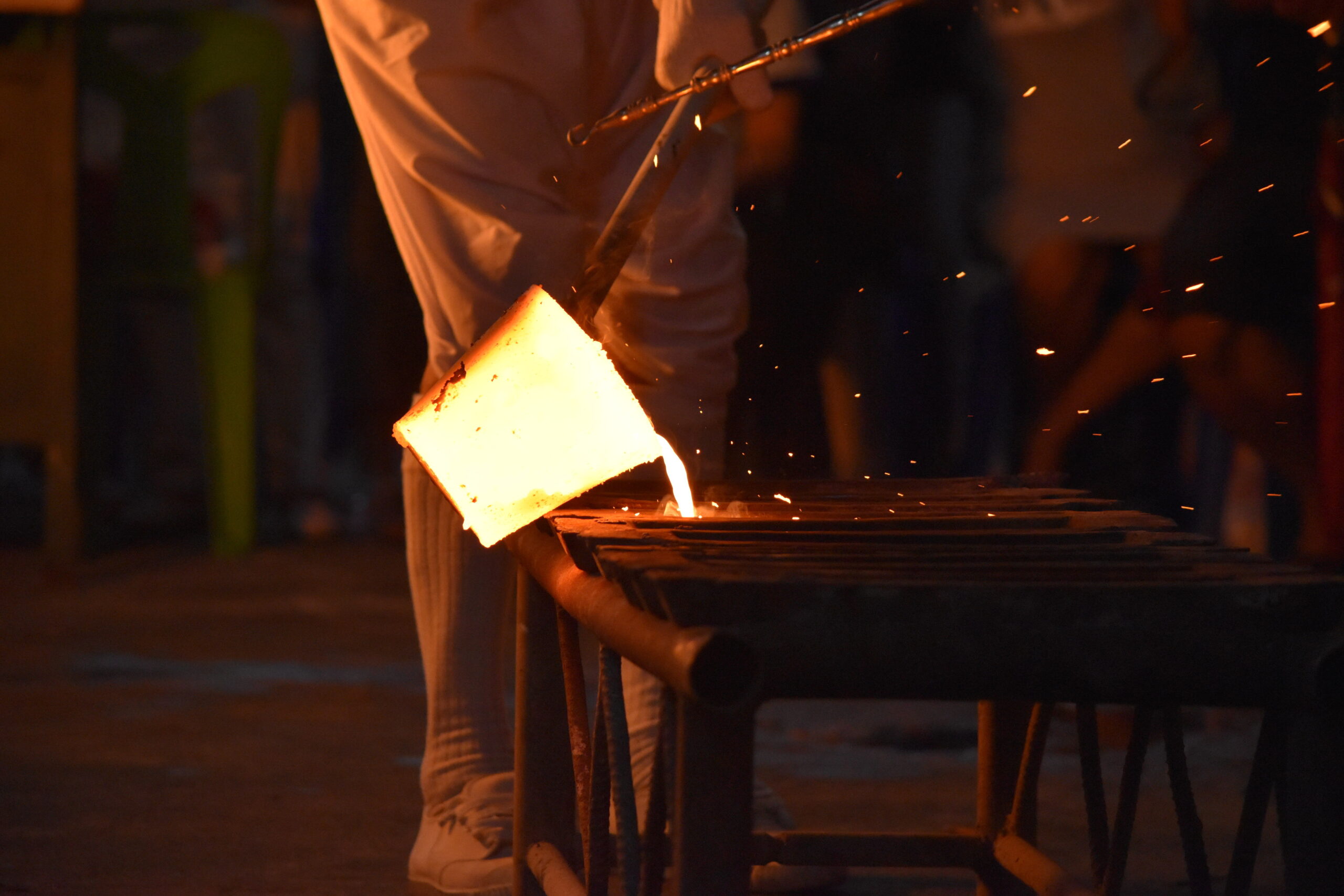
The creation process starts with solid gold. Craftsmen melt the pure metal in a furnace and mix in tiny amounts of silver or copper. These extra metals help give the finished leaf different shades, like deep reddish-gold or cool white gold.
Next, they pour the liquid metal into a small bar called an ingot.
Advertisement
Once it cools, workers pass the bar through a set of heavy steel rollers. They run it through again and again, squishing the metal flat until it becomes a thin ribbon. At this point, the gold ribbon is about as thick as a piece of printer paper.
Step 2: The Art of the Hammer
Paper-thin is not thin enough. To get to micro-thin levels, workers cut the ribbon into small squares. They stack these squares between sheets of special parchment paper or treated film.
Then comes the hardest part: hammering.
Traditionally, a goldbeater hits the stack with a heavy hammer for hours. Machines handle much of the initial pounding, but human artisans still finish the delicate work by hand. The hammer hits the stack thousands of times with precise force. The blows push the gold outward, forcing it to spread out thinner and thinner across the paper.
Thin Enough to Float
By the time the hammering finishes, the gold sheets are so thin they become translucent. If you hold a sheet up to a light, you can actually see greenish-blue light passing right through the metal.
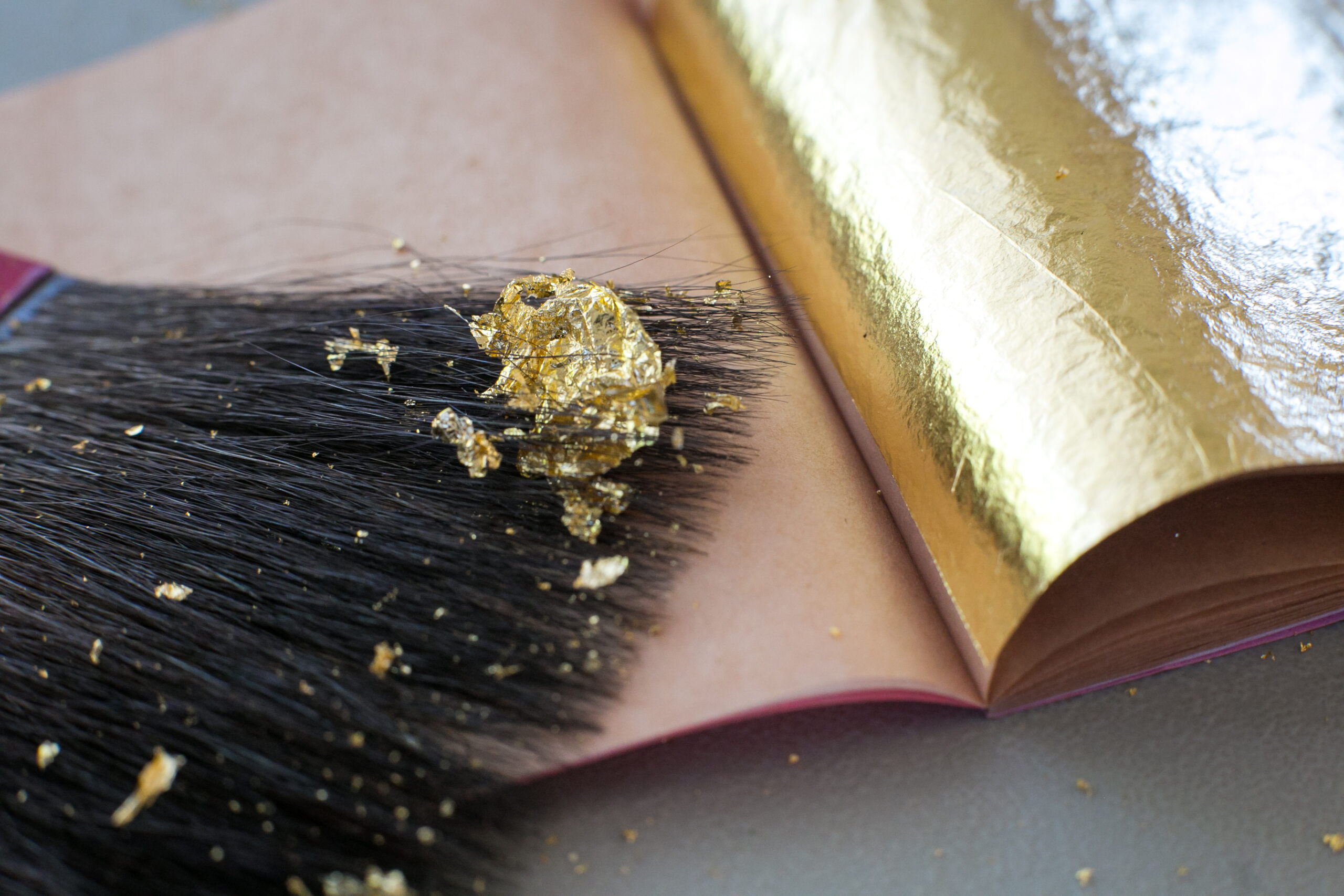
Because gold leaf is so thin, you cannot pick it up with your fingers. The heat and oils from your skin will ruin it instantly, and the gold will crumble into nothing. Artisans use soft, static-charged brushes made of squirrel hair to gently lift and place each sheet.
From glowing museum frames to shimmering skyscraper domes, gold leaf turns raw metal into sheer magic. It shows how smart tools and natural physics can push materials to their absolute limits.
 Read Exclusive Stories
 Bookmark & Save Articles For Later