Every quilt has a story. Long before people used digital memory boards or photos on phones, they stitched their lives into blankets. They used scraps of old work shirts, worn-out dresses, and leftover flour sacks. That tradition continues, but it connects to modern tech and smart design in ways you might not expect.
Fabric as a Written Record
Think of a traditional memory quilt as an early form of data storage. During the 19th century, women kept track of family history through fabric. They stitched births, weddings, and local events right into the pattern.
The Memory Quilt, created by Susan McCord in the late 1800s, used tiny fabric scraps to map out her family’s daily life on an Indiana farm. Each patch marked a specific moment or person.
Scraps from a child’s first dress became border trim. Pieces of an old uniform turned into center blocks. Instead of writing in a diary, quilters built physical archives you could wrap around your shoulders.
Coding with Needles and Thread
Storytelling through quilting goes beyond family memories. Quilters often used geometric shapes to send secret messages.
Advertisement
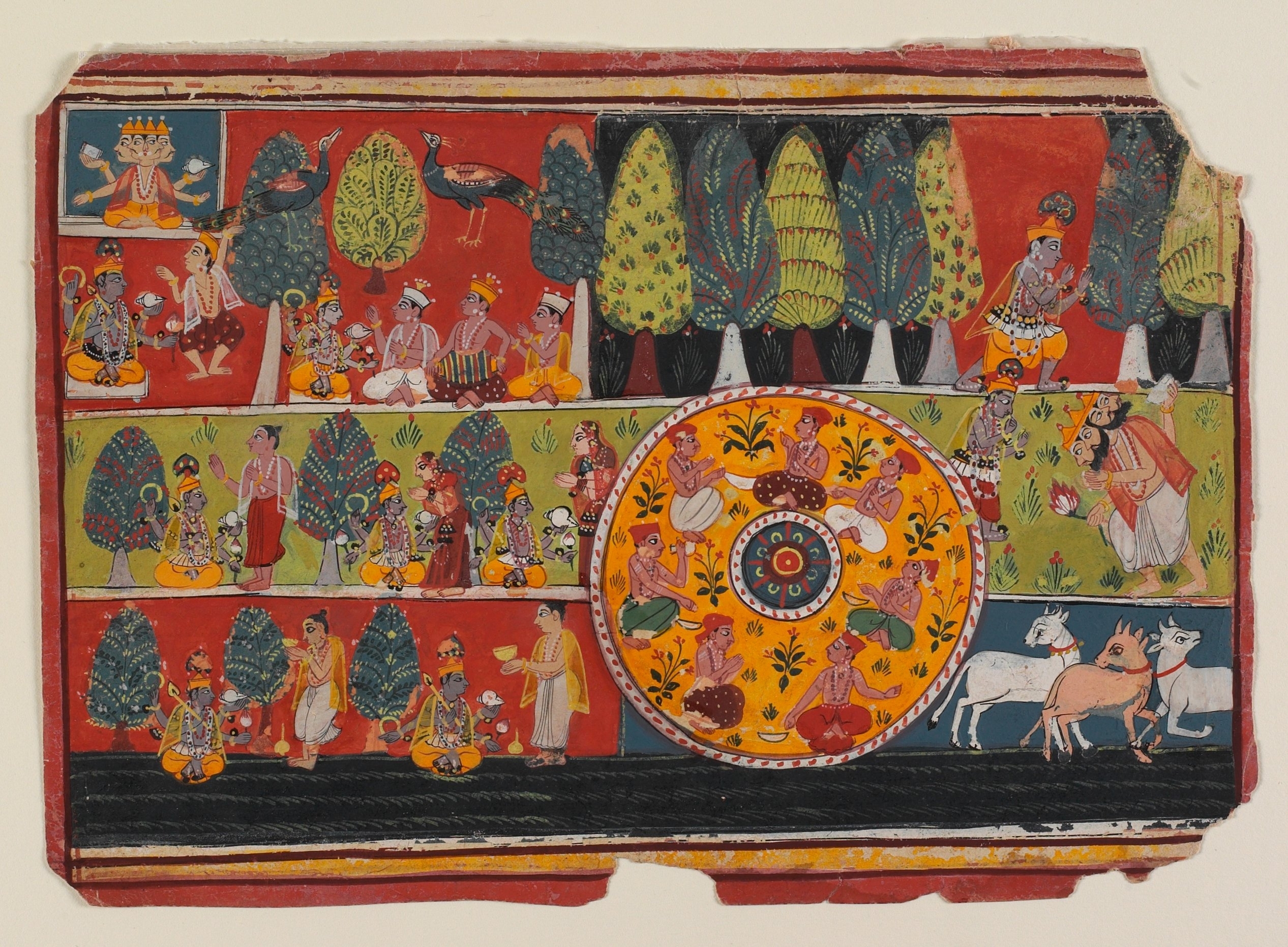
During the abolition movement, some quilters created specific patterns to pass along information. Patterns like the “Monkey Wrench” or “Sailboat” gave directions or signaled safe houses to people seeking freedom.
It worked like a physical code. If you knew how to read the grid, the pattern gave you a clear map. If you didn’t, it just looked like a pretty blanket.
Modern Tech Meets Ancient Craft
Quilters today still tell stories with fabric, but the tools look very different. Modern creators use specialized software to design complex patterns on a computer screen before picking up a needle.
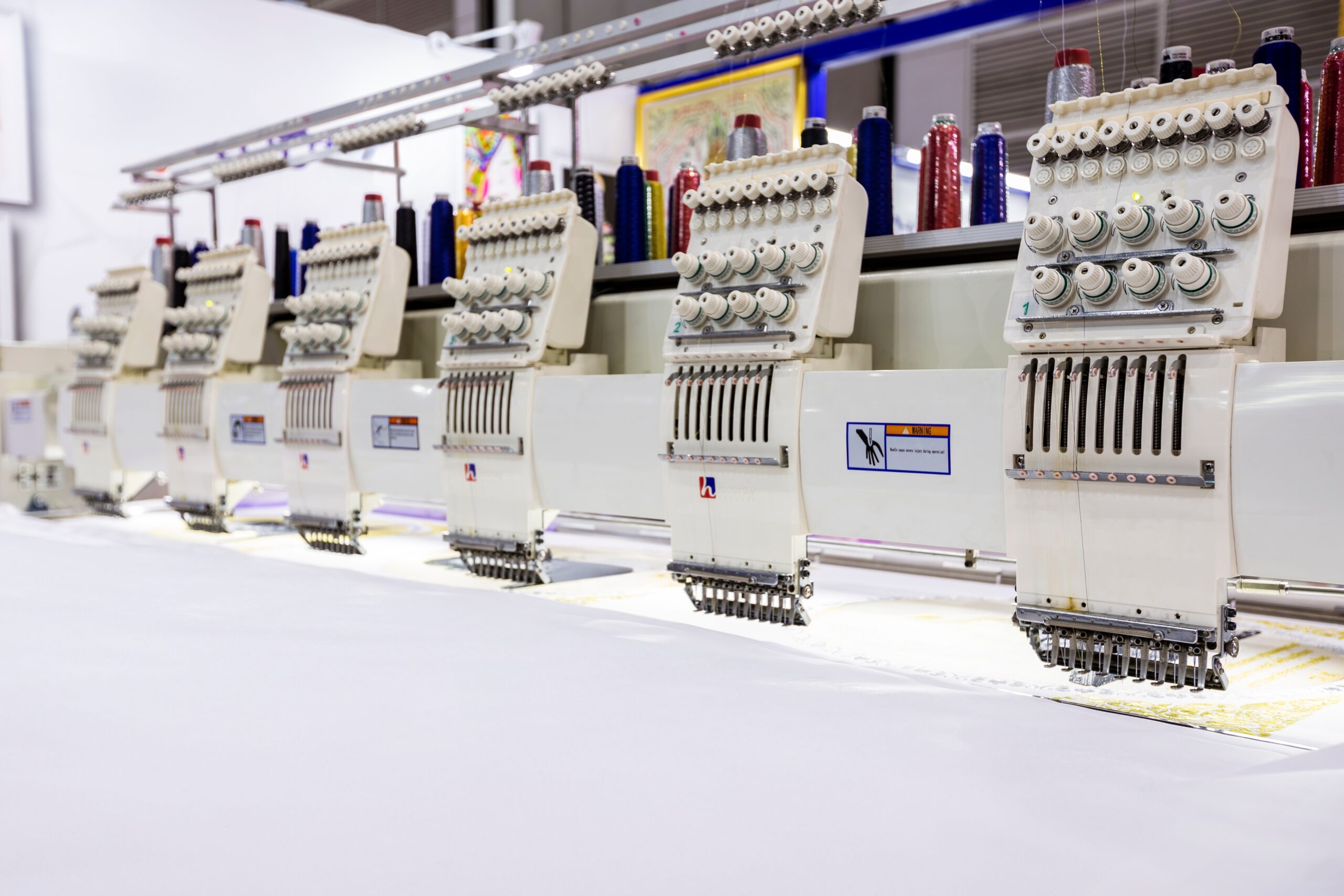
Laser cutters slice fabric with total precision. Digital embroidery machines stitch high-detail text and images into quilt blocks in minutes. Some textile artists even print high-resolution photos directly onto organic cotton.
Innovations in sustainable textiles play a massive role now, too. Fabric makers create cotton dyed with algae, recycled thread made from plastic bottles, and eco-friendly batting. Designers use these materials to talk about climate change, ocean health, and conservation. The fabric itself carries the message before the first stitch is even sewn.
Quilting proves that tech and handicraft do not conflict. They work together. Whether using scrap cotton from 1850 or laser-cut recycled fabric today, people still use needle and thread to save their history, share their values, and pass down their stories.
 Read Exclusive Stories
 Bookmark & Save Articles For Later