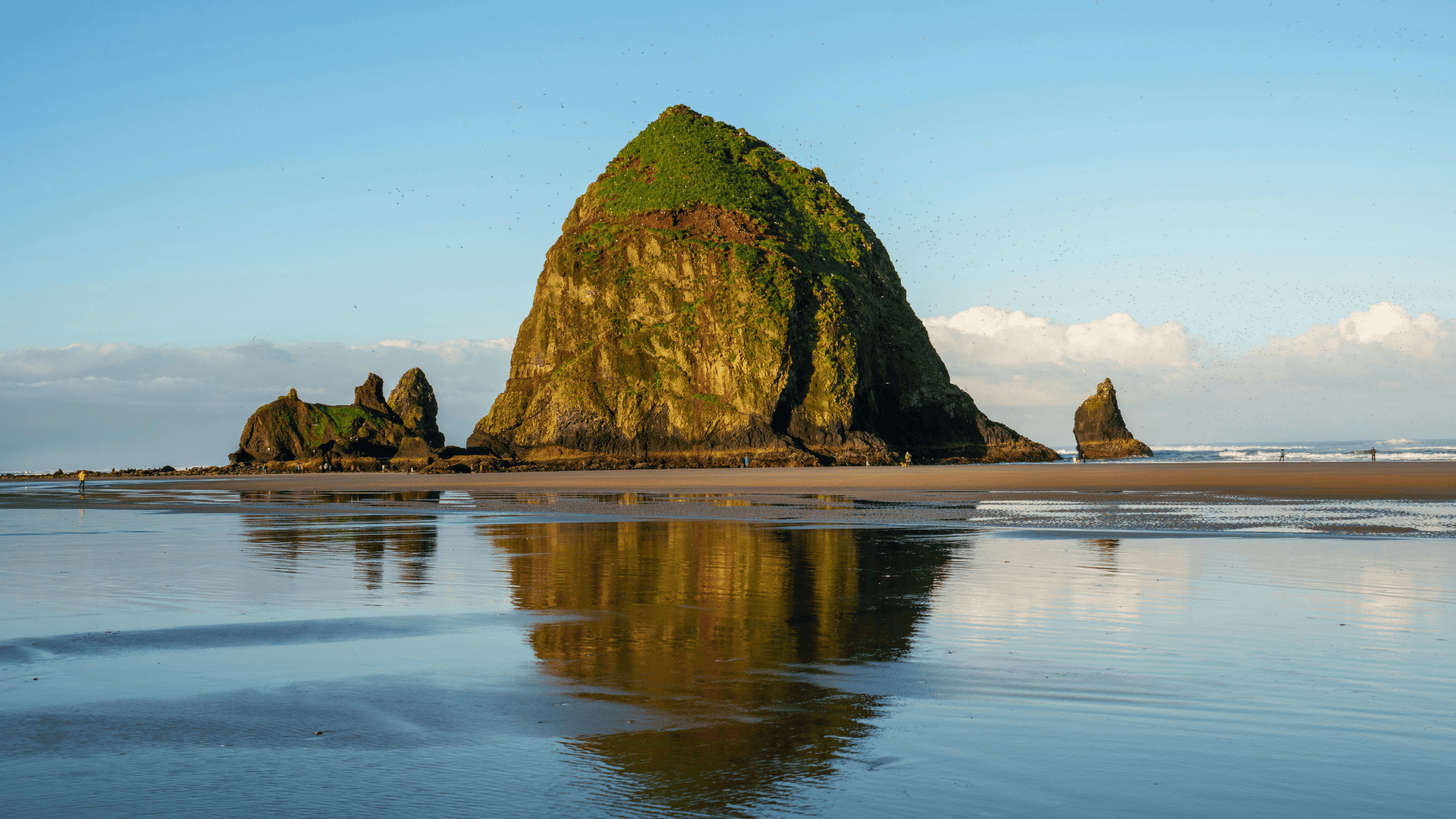
If you drive down the northern Oregon coast, you eventually hit Cannon Beach. And right off the shore, sitting out in the surf, is a massive chunk of stone. This is Haystack Rock.
It stands 235 feet tall above the water. When the tide comes in, it looks like an island. When the tide goes out, you can walk right up to the base. It is easy to assume it just broke off a nearby cliff, but it is actually the result of a massive volcanic event that happened hundreds of miles away.
Born In Fire
To figure out how Haystack Rock got there, you have to go back about 15 million years. Out in what is now eastern Oregon and Idaho, the earth split open. Massive cracks dumped huge amounts of lava across the land.
This liquid rock flowed like a river all the way to the Pacific Ocean. When the hot lava hit the cold water, it cooled and hardened into thick piles of dark basalt rock. Over millions of years, ocean waves have beaten against the coastline. The water washed away the softer dirt and sandstone along the shore. But the heavy basalt was too hard to wash away. So the ocean just carved around it.
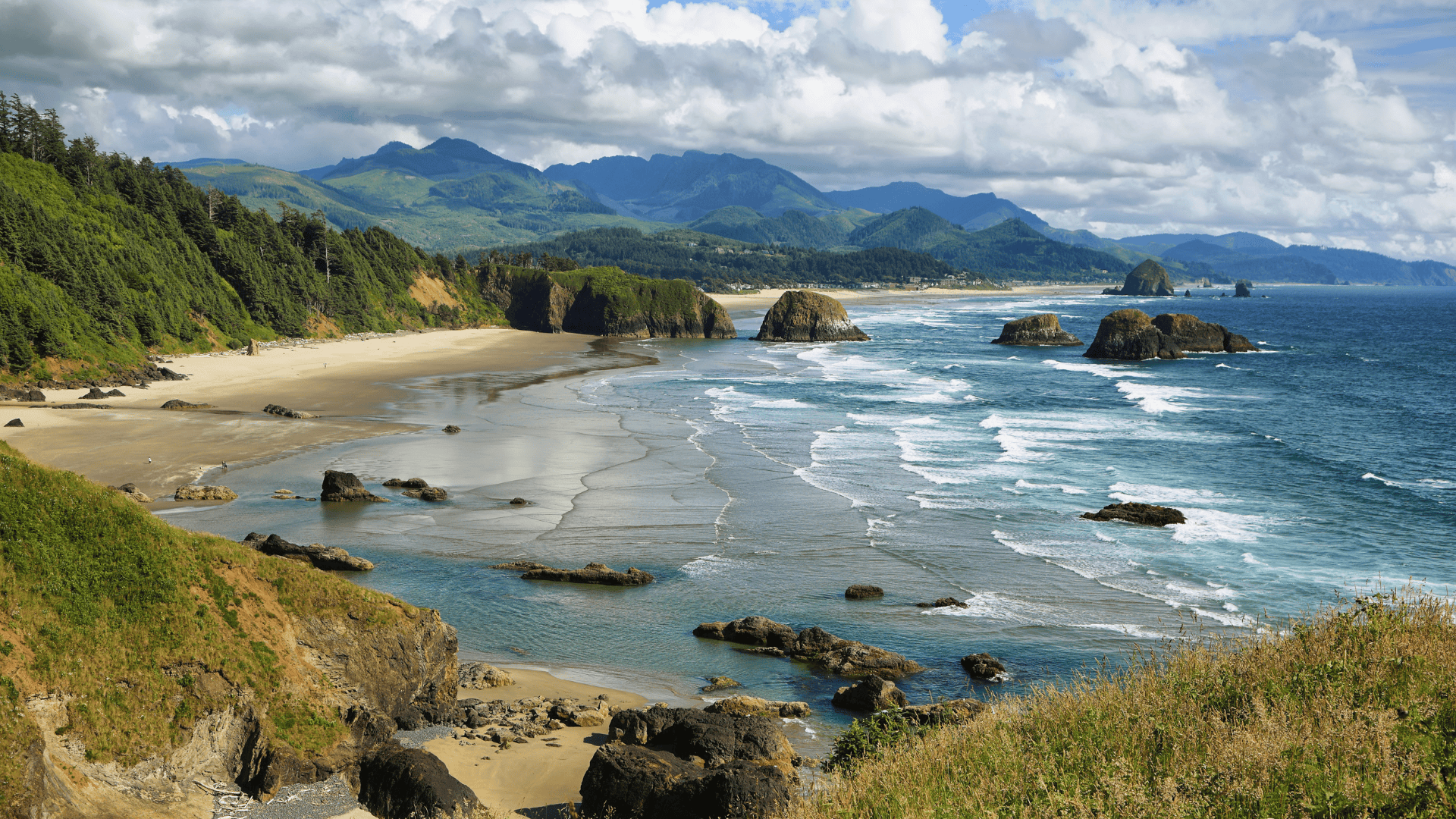
That is what a sea stack is. It is just the hard core of an ancient lava flow that survived millions of years of crashing waves.
Life In The Tide Pools
Advertisement
The rock is not just a dead piece of geology. It is heavily protected because it serves as a giant natural apartment building for local wildlife.
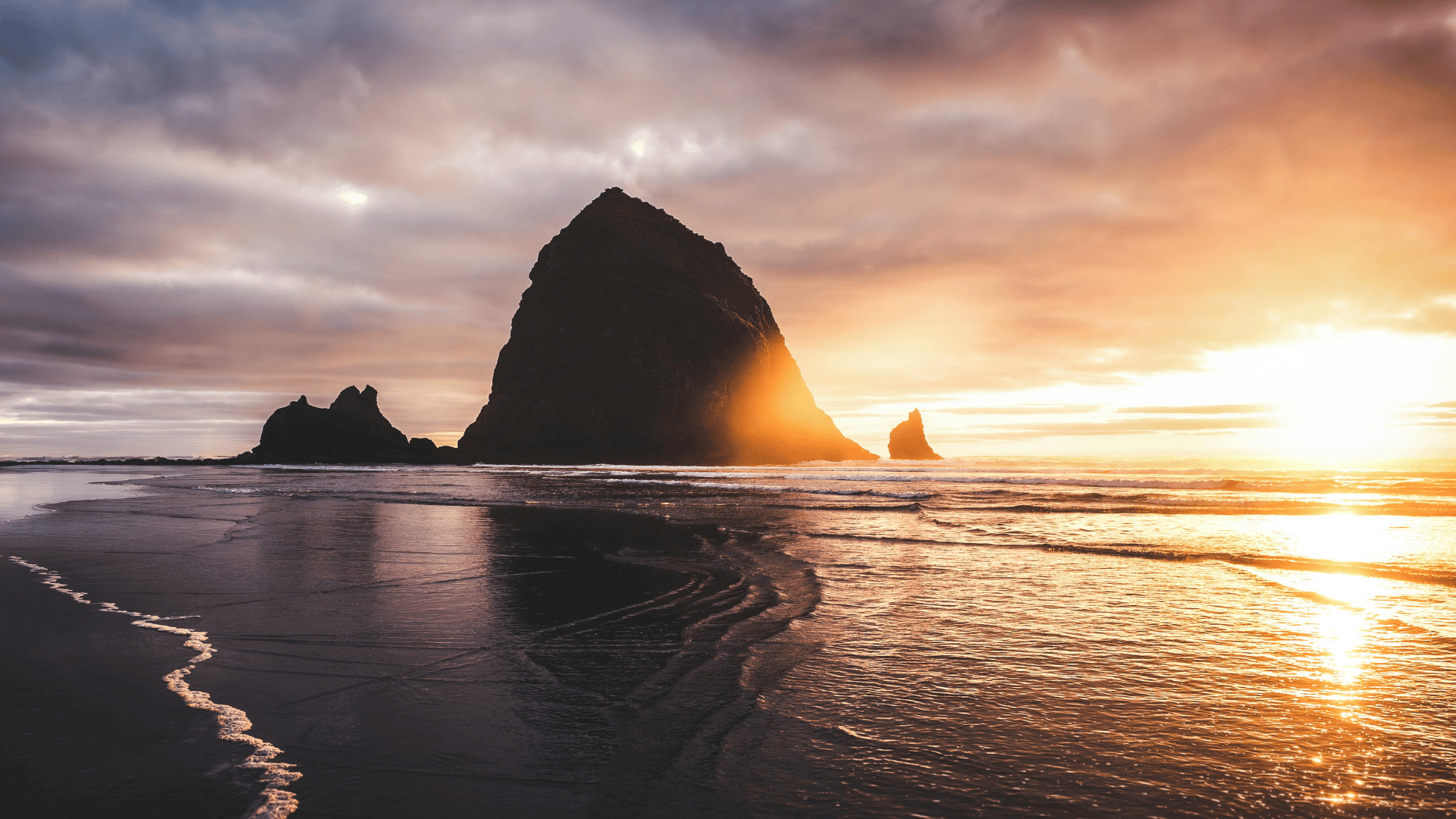
When the tide goes out, it leaves shallow pools of water around the base of the rock. You can walk up and see sea stars, crabs, and bright green anemones waiting for the ocean to return. Up above the water line, it is a completely different story. The rock is covered in thousands of seabirds. During the summer, tufted puffins actually nest right on the grassy slopes near the top. They use the rock’s height to stay safe from predators on the beach.
A Temporary Monument
Even though Haystack Rock survived millions of years, it will not be there forever.
The same ocean that washed away the dirt around it is still beating against the hard basalt. The saltwater and heavy winter storms constantly chip away at the stone. Sometimes large chunks just fall right off into the surf. Eventually, the waves will break the whole thing down into sand. But for now, it sits right off the beach, showing us exactly where an ancient lava river finally stopped.
 Read Exclusive Stories
 Bookmark & Save Articles For Later