If you walk around Phoenix, Arizona, in the middle of summer, the ground looks baked. It gets so hot that you might assume nothing can actually survive out in the dirt. But if you head over to the Desert Botanical Garden, you see exactly how wrong that is.
The garden sits right in the middle of the city, and it is packed with over 50,000 desert plants. It completely changes how you look at a severe drought.
Built To Hold Water
Most plants rely on constant rain and deep soil. Desert plants do not have that luxury. Instead, they adapted to become living water tanks.
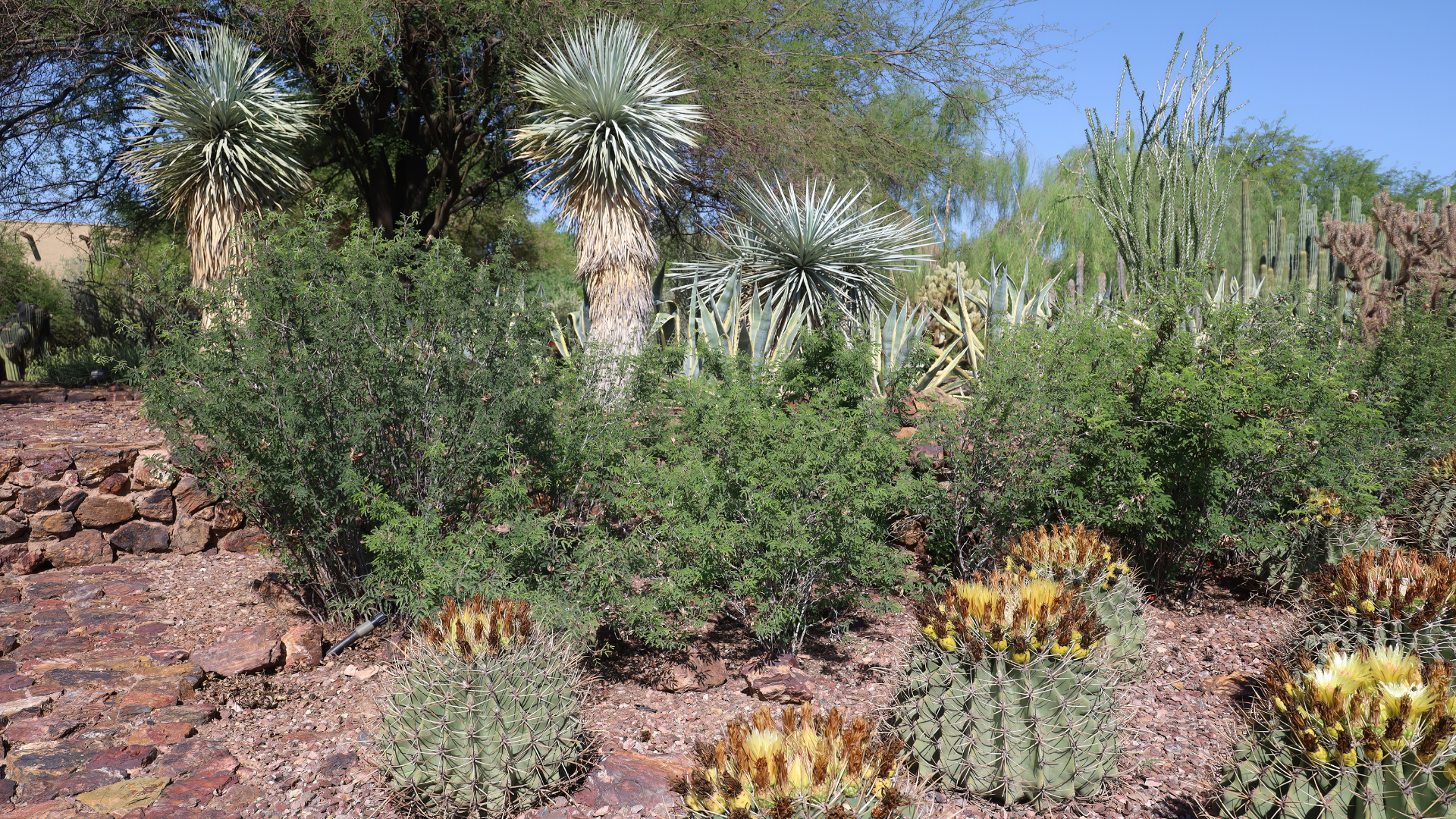
Cacti and succulents have thick, waxy skin that stops moisture from evaporating into the hot, dry air. When it finally does rain, they soak up as much water as possible and literally expand like sponges. Instead of flat leaves, they grow sharp spines. This keeps thirsty animals away, but it also does something else. The spines actually provide a bit of shade for the plant’s skin. You can walk the trails here and see giant saguaro cacti, decades old, standing like massive green pillars against the sky.
A Sudden Burst Of Spring
Advertisement
The craziest part of the garden happens early in the year. You usually think of the desert as just shades of brown and dusty green. But when the temperature is right in the spring, these harsh, spiky plants push out incredibly bright flowers.
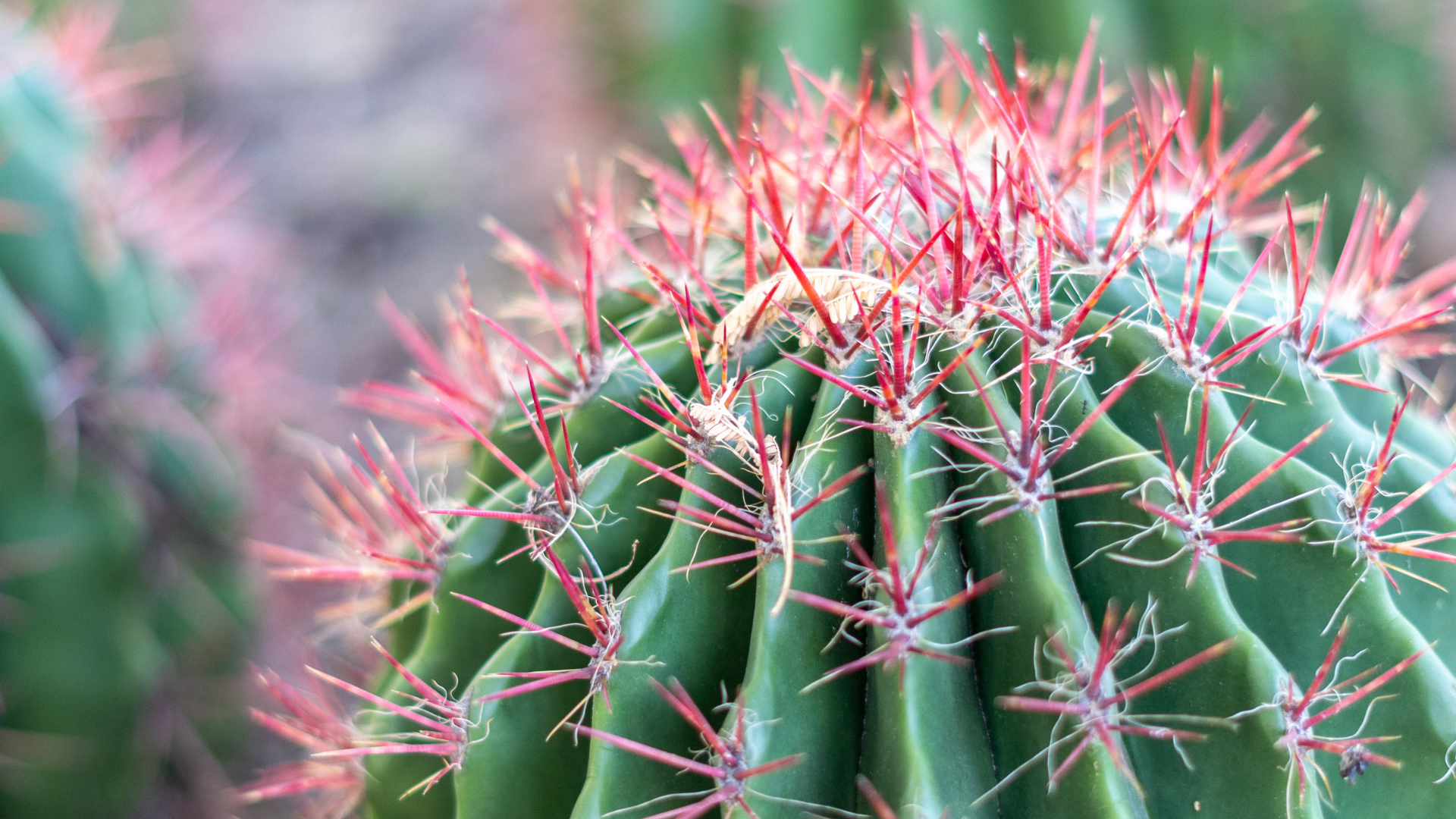
You get huge pops of neon pink, bright yellow, and deep red. The plants have to bloom fast and bright to attract bees and hummingbirds before the brutal summer heat returns and burns the flowers away. It creates a very strange contrast. You have these aggressive, armored plants suddenly covered in soft, delicate petals.
More Than Just Dirt
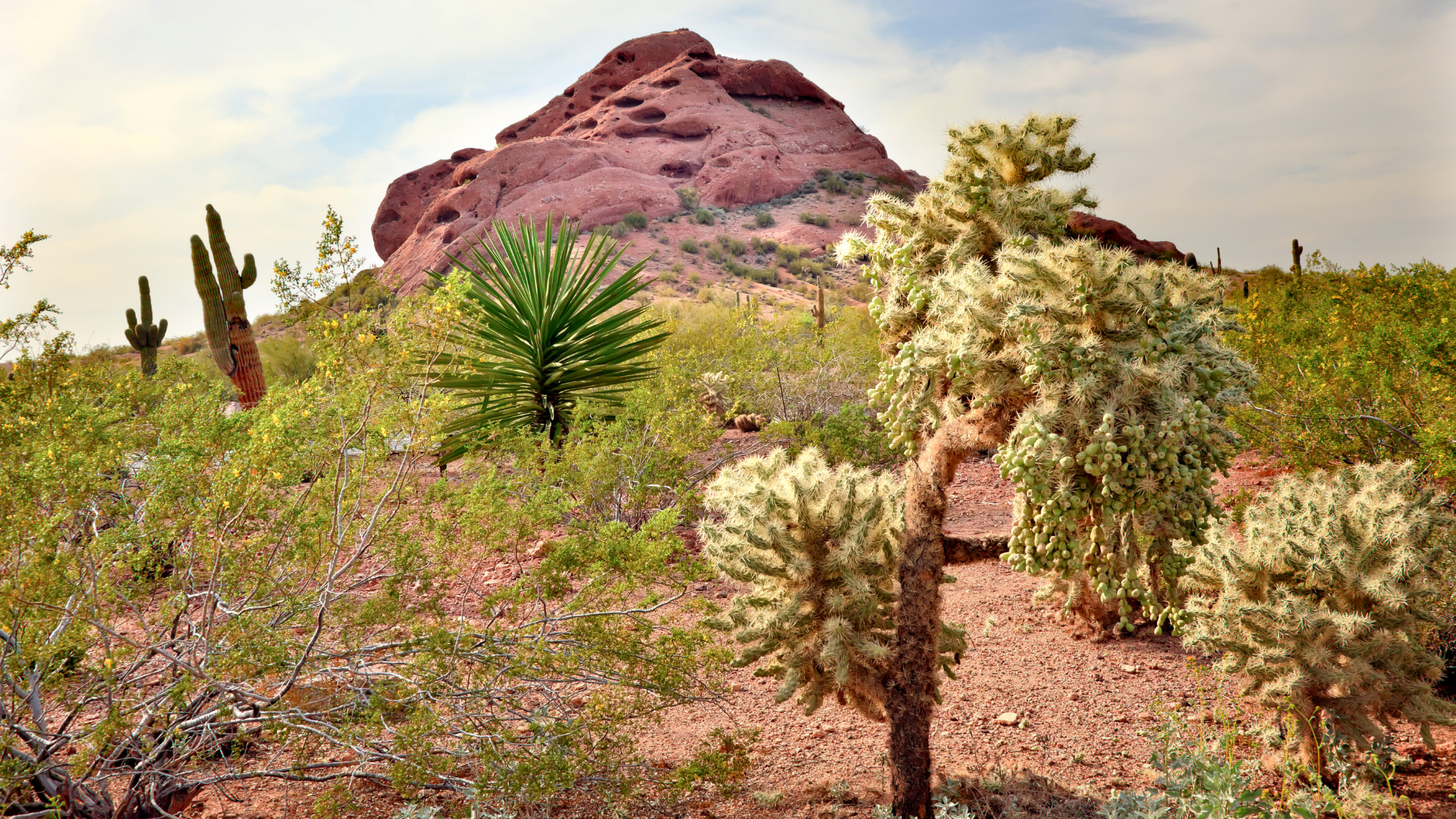
The garden is nestled right into the red sandstone buttes of Papago Park. So while you are looking at rare agave plants and towering cacti, you also have these massive rock formations sitting in the background.
As the sun goes down, you can see dust swirling in the last bit of light. Everything seems to glow. This isn’t just a bunch of potted plants; it’s a huge open space that proves you don’t need much water or grass to make things feel lush. The plants here know how to handle the toughest conditions.
 Read Exclusive Stories
 Bookmark & Save Articles For Later