Treating stomach cancer usually requires surgery. For a while now, the standard approach has been laparoscopic surgery. It is a solid method with a fast recovery, but it is physically tough on surgeons. They have to work in a tight space with rigid tools, and even the steadiest human hands can tremble.
Hospitals brought in robots to assist surgeons with the procedure. Robotic surgery gives doctors better precision and a clearer view.
A team of researchers in Japan wanted to know if it also benefits the patients. Led by Professor Susumu Shibasaki from Fujita Health University–Okazaki Medical Center, the team analyzed thousands of patient records from 2023 and 2024.
“RG has become broadly integrated into routine clinical practice across Japan. Under these contemporary conditions, it remains essential to clarify whether RG offers tangible clinical advantages over LG,” said Prof. Shibasaki.
Slow and Steady Robotic Assistance
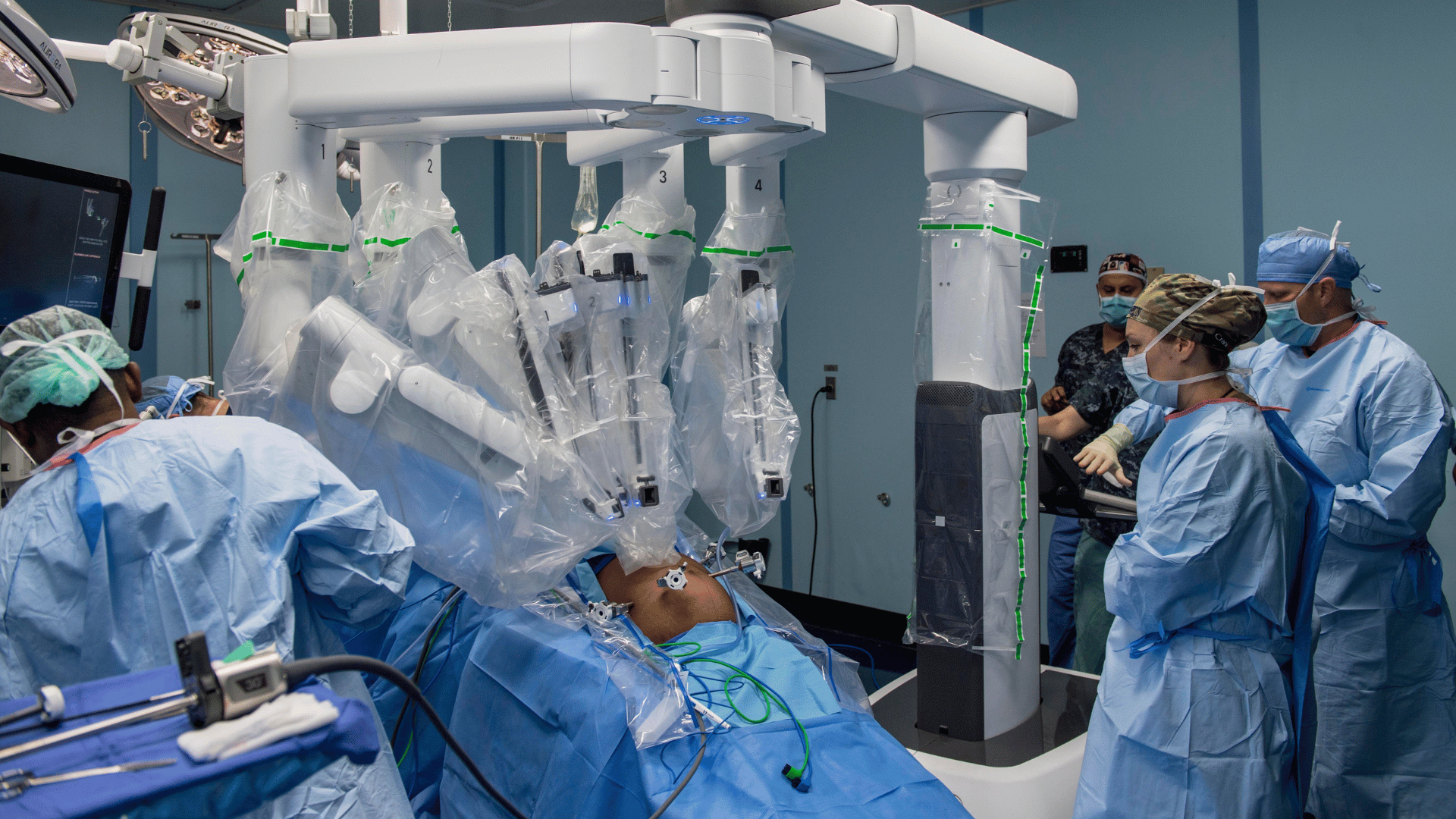
The robotic surgeries consistently took longer. Depending on how much of the stomach was removed, the robots added about 50 to 70 minutes to the operating time.
Advertisement
However, they made up for that extra time in other ways. Patients who had robotic surgery lost 33% to 40% less blood. They also spent fewer days recovering in the hospital. Surgeons were also 50% to 65% less likely to have to abandon the original plan and switch to a full open surgery mid-operation. For partial stomach removals, the robots even lowered the chances of serious infections.
“Although the absolute magnitudes of these differences were small, the consistent benefits across multiple perioperative outcomes indicate that RG may achieve a level of minimal invasiveness beyond LG, which itself is a highly refined minimally invasive approach,” said Prof. Shibasaki.
Growing Pains and Progress
Japan approved these robotic surgeries for national insurance coverage back in 2018. Since then, the technology has improved, and surgeons have gotten a lot more training.
Despite the success, it isn’t perfect across the board yet. Total stomach removals are highly complex. Because surgeons perform them less often, they don’t have as much practice with the robotic tools. So, the drop in major complications wasn’t as noticeable for those specific procedures.
“Over the next 5–10 years, these findings are expected to accelerate the widespread adoption of robotic surgery. As a result, more patients will have access to safer, higher quality surgical care, leading to better recovery, fewer complications, and improved overall outcomes,” he concludes.
 Read Exclusive Stories
 Bookmark & Save Articles For Later