Pipe organs are often called the king of instruments, and for good reason. A single organ can fill a massive concert hall or cathedral with booming bass and sweet, high notes. The Wanamaker Organ in Philadelphia, for example, is the largest fully operational pipe organ in the world, holding over 28,000 individual pipes.
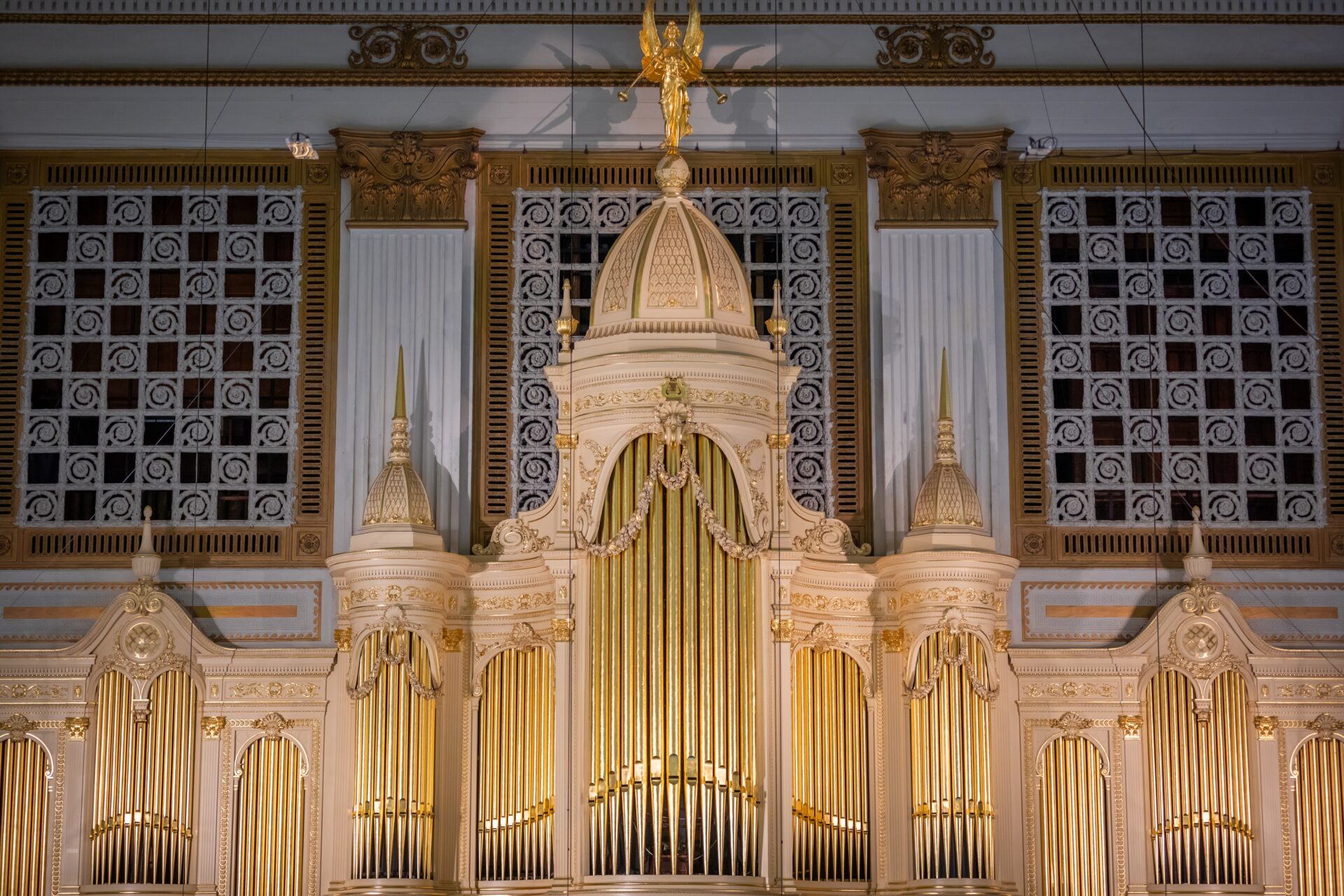
While these instruments look like giant architectural structures, every single part is crafted by hand. Building one takes patience, woodworking skills, and a deep knowledge of music.
Designing the Layout
Every pipe organ is custom-built for the specific room it lives in. Before cutting any wood or metal, builders spend months studying the building’s shape and acoustic qualities.
Craftsmen sketch detailed blueprints to map out where thousands of pipes will sit. They also design the wooden cabinet, called the organ case, to make sure it matches the room’s style while leaving enough space for air to move freely around the pipes.
Hand-Cranking and Shaping Metal Pipes
Making the pipes is a fascinating creation process. Builders melt down sheets of tin and lead, pouring the molten metal onto long, cloth-covered tables to cool into thin sheets.
Once the metal sets, artisans hand-roll it around solid wooden rods. They solder the seams shut and carefully shape the pipe’s lip where the air enters. The height and width of each pipe determine its sound. A 32-foot pipe creates low bass notes, while a tiny half-inch pipe makes high whistle sounds.
Fine Woodworking for Tone
Not all pipes are made of metal. Many of the warmer, softer notes come from square wooden pipes made of fine hardwoods like oak, maple, and mahogany.
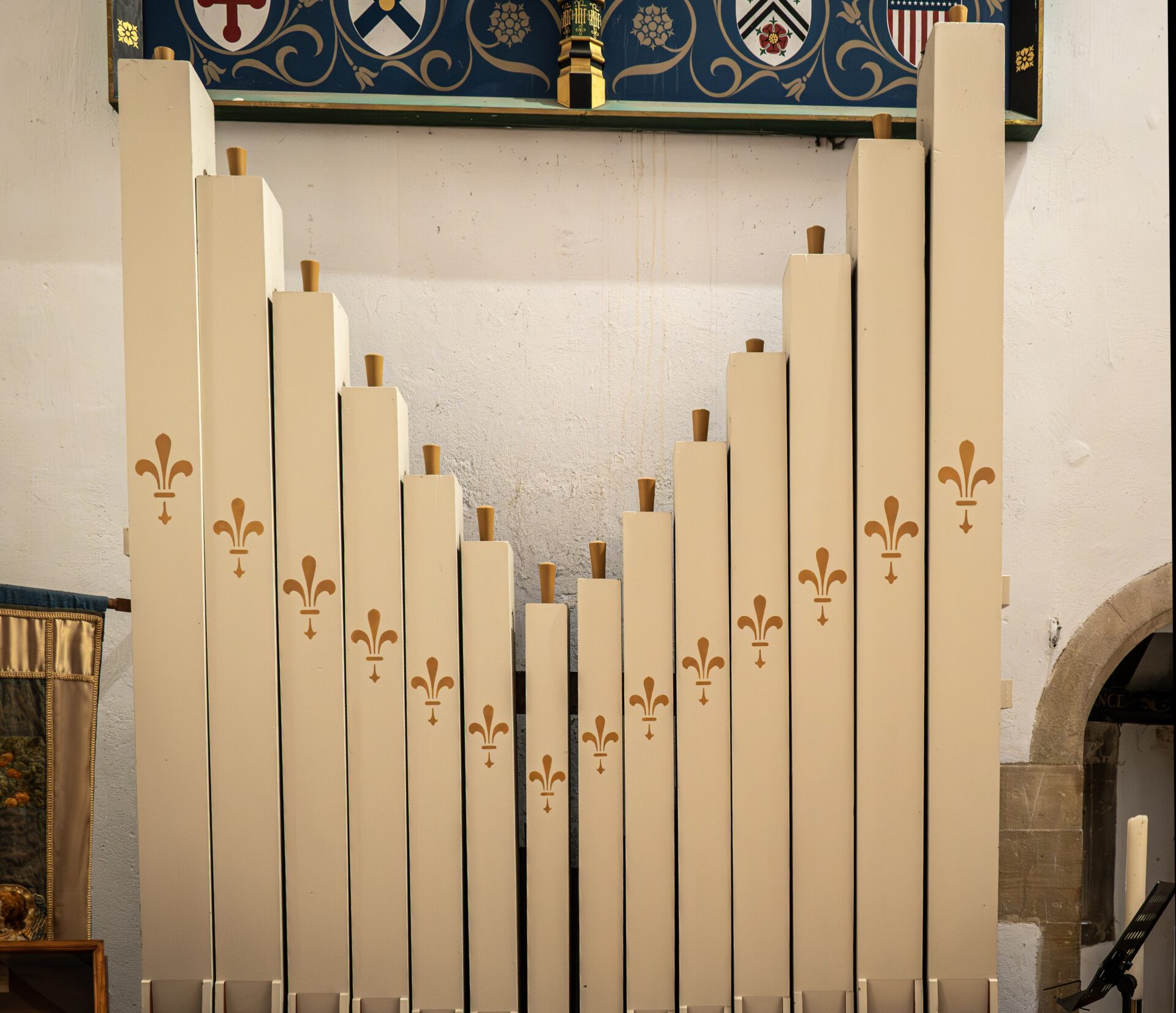
Woodworkers carefully cut, plane, and glue these wooden tubes by hand. They use tight-grained lumber so the wood won’t warp or crack over decades of seasonal weather changes. The wooden windchests, which hold the pipes and direct the air, require air-tight joinery built to last for generations.
Voice Tuning and Voicing
The most critical educational step in organ building is called voicing. Once the pipes are in place, a master voicer sits at the keyboard and tests every single pipe individually.
By using small hand tools, the voicer adjusts the opening at the base of each pipe and tweaks the lip. This alters the airflow until the tone, volume, and pitch match those of the other pipes in the set. It takes years of training and practice to train the ear to voice an entire organ properly.
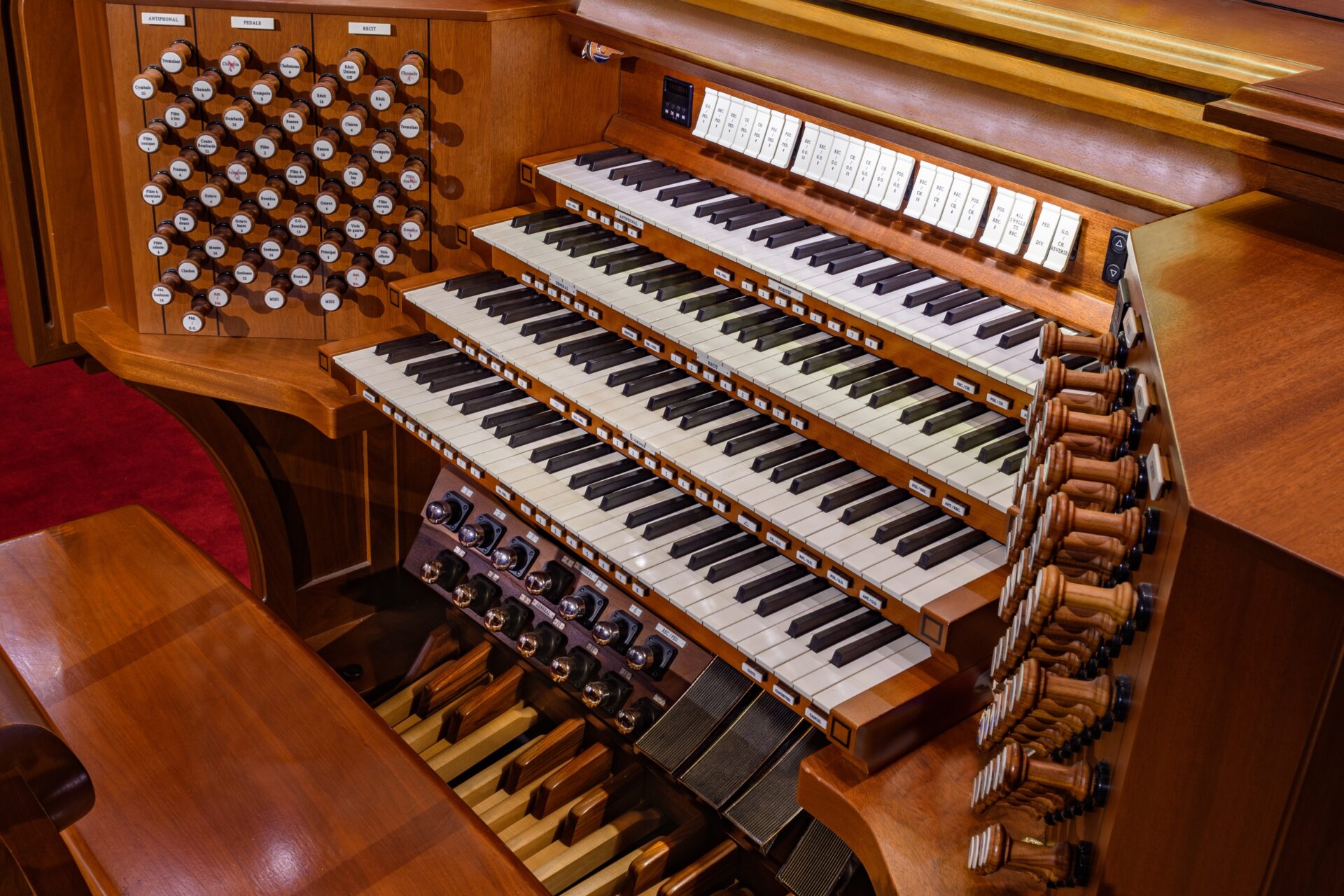
Building a pipe organ is a true labor of love that combines art, tradition, and hands-on skill. From melting metal sheets to hand-voicing thousands of pipes, organ builders keep an incredible tradition of creation alive for future generations to enjoy.
 Read Exclusive Stories
 Bookmark & Save Articles For Later