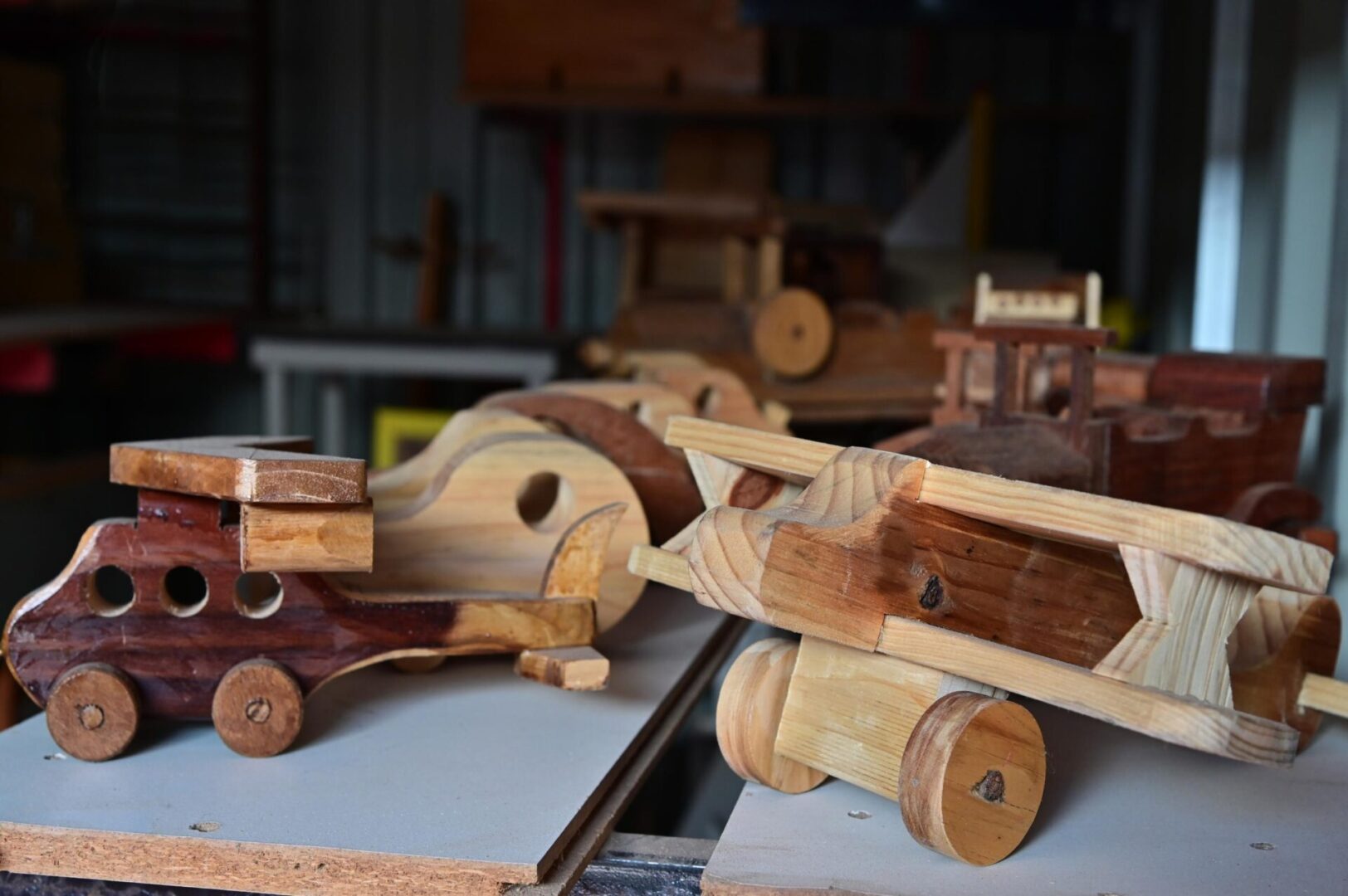
Long before plastic blocks or tablet screens existed, kids played with wooden trains, rocking horses, and spinning tops. Archaeological digs have uncovered wooden dolls in ancient Egyptian tombs dating back over 4,000 years.
Even with modern manufacturing, traditional wooden toy-making is still thriving. Crafting a durable wooden toy requires a blend of forestry science, hand carving, and chemistry to make sure these playthings last for generations.
Selecting the Right Timber
Not all wood works well for toys. Softwoods like pine can splinter easily, creating sharp edges. That’s why traditional makers stick to close-grained hardwoods like beech, maple, and birch.
These woods are dense enough to resist denting when dropped on the floor, and they won’t splinter into small pieces. Beech is especially popular in Europe because it has a smooth texture and contains no harsh natural oils or resins that could irritate a child’s skin.
The Art of Carving and Turning
Transforming a rough block of lumber into a toy duck or train engine involves two primary methods: hand carving and woodturning.
Advertisement
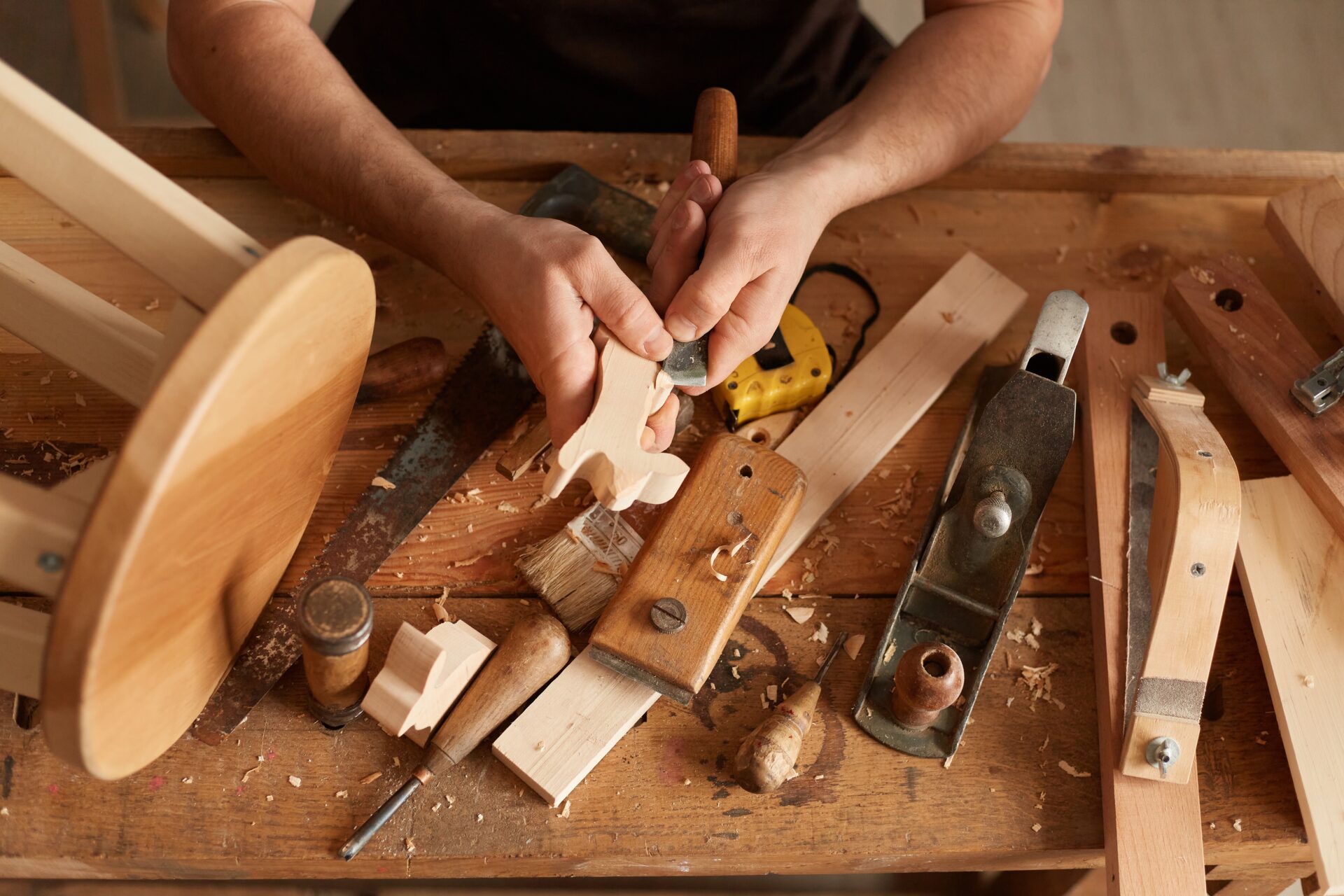
Hand carvers use specialized gouges and chisels to shape soft curves and animal features. For symmetrical items like spinning tops, bowling pins, or wheels, makers use a woodworking lathe. A lathe spins a wooden block at high speeds, up to 3,000 revolutions per minute, while the artisan holds sharp chisels against it. This process removes thin ribbons of wood until the exact cylinder or sphere takes shape.
Sanding for Safety
Safety is the most critical step in toy production. Before painting, toys go through multiple rounds of sanding to eliminate burrs and sharp corners.
Makers start with coarse 80-grit sandpaper to shape the edges and work up to ultra-fine 220-grit paper. According to safety regulations enforced by the U.S. Consumer Product Safety Commission (CPSC) under the ASTM F963 standard, all toys sold in the U.S. must pass strict tests for sharp points, small parts, and smooth surface edges.
Non-Toxic Paints and Finishes
Bright colors bring wooden toys to life, but painting them requires careful chemical selection. Young kids put toys directly in their mouths, so traditional lead or solvent paints are strictly prohibited.
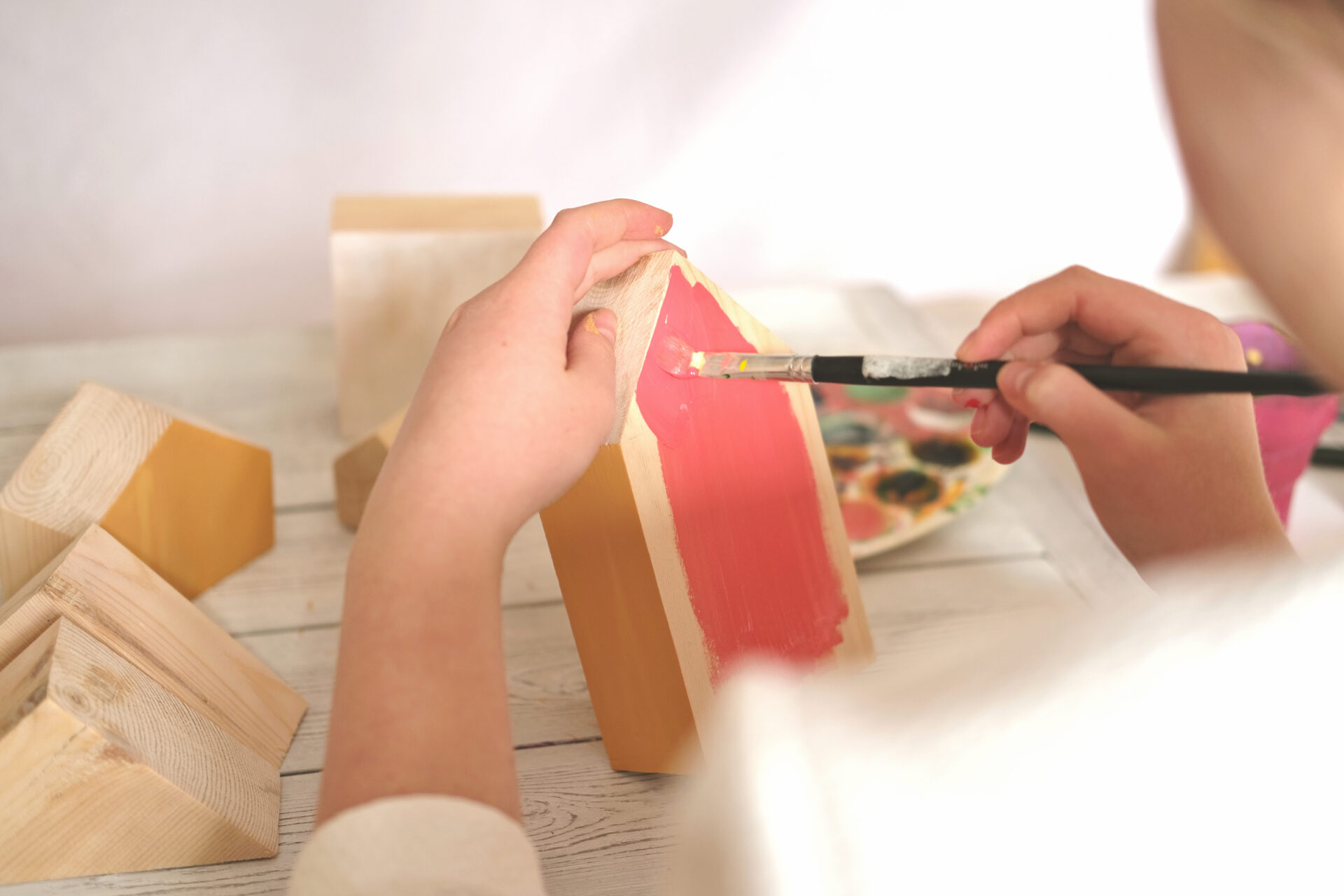
Artisans use water-based acrylic paints or natural plant dyes like beet juice and turmeric. Once the paint dries, the wood is sealed with food-grade finishes like organic beeswax, linseed oil, or jojoba oil. These natural sealants protect the wood from moisture and saliva while keeping the surface completely non-toxic.
A simple wooden toy might look low-tech compared to a smartphone app, but every piece is a masterclass in materials science. From carefully selected hardwoods to child-safe finishes, traditional makers use smart techniques to keep classic play alive.
 Read Exclusive Stories
 Bookmark & Save Articles For Later