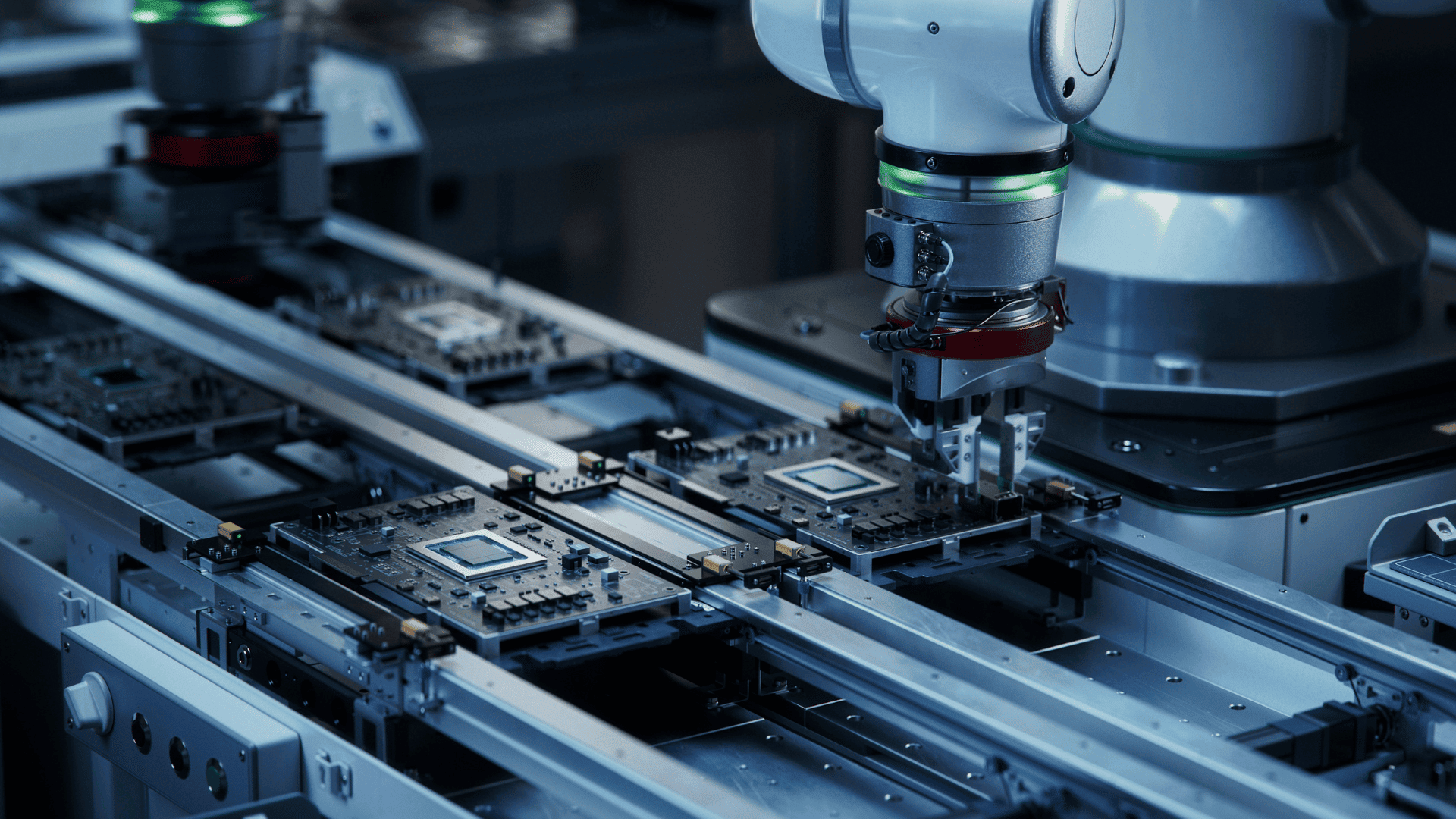
Every time a smartwatch, phone, or drone dies for good, its battery usually goes straight to the trash. Most of these devices use lithium-ion technology. That means they contain flammable liquids and are stuck together in ways that make recycling really hard.
Recently, a team including Tse Nga Ng and Nandu Koripally reported in ACS Energy Letters that they built a compact supercapacitor that easily comes apart when you’re done with it.
A Simple Soak to Recycle
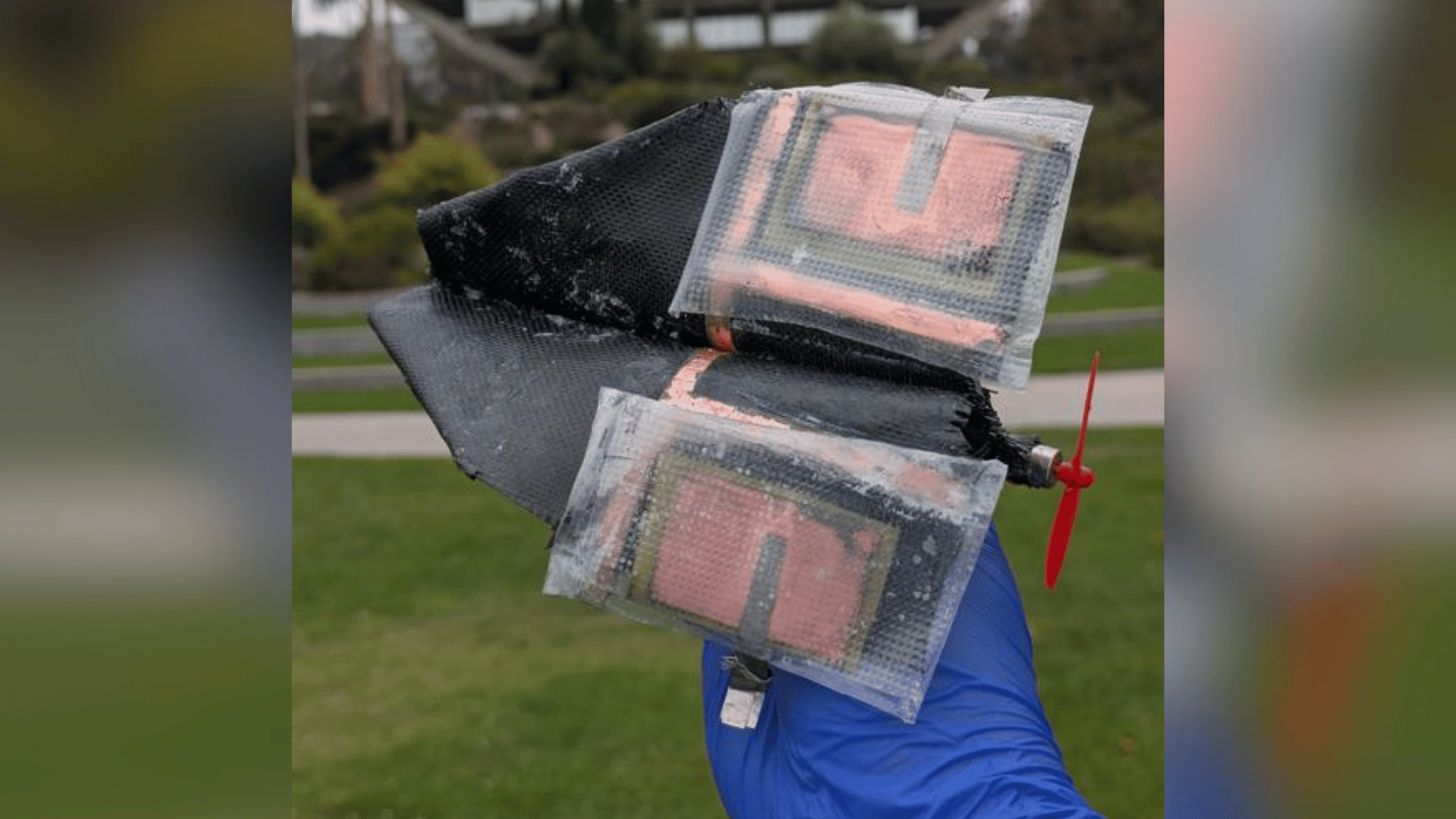
Instead of lithium, this new device uses zinc ions in a water-based, non-flammable liquid. The team used a special resin adhesive to glue a zinc-copper anode and a carbon-fiber cathode together. When heated, this glue holds everything tight to create a thin, two-volt device. But if you drop it into a mildly acidic, water-based solution, the layers separate in just 30 minutes.
The researchers pulled out the recovered carbon-fiber cathode and reused it to build two more devices, just adding fresh zinc anodes and liquid. From the first build through two rounds of recycling, the carbon parts went through more than 172,000 charge and discharge cycles. Through all of that, they kept the exact same electrical performance.
To prove the device could handle real work, they also built four of them into the wings of a small model glider. When they threw it like a paper airplane, the supercapacitor-powered propeller helped the plane fly 12 feet. Without an external power source, it only went 8 feet.
Less Waste with Higher Power
This might work for helping cut down on the massive amount of electronic waste we create every year.
“We built on our lab’s prior work, combining high-energy alternative zinc-ion chemistry and structural supercapacitors to make a recyclable version that enables second-life cells and outperforms prior state-of-the-art devices,” explained Koripally, the lead author of the study.
The team proved that making greener technology doesn’t mean settling for less power.
“Sustainability and performance do not have to be competing goals,” said Koripally. “By considering the full material life cycle, we can combine design requirements into one solution to make structural energy storage devices that maintain high performance and are simple to repair and reuse.”
Advertisement
 Read Exclusive Stories
 Bookmark & Save Articles For Later