In Thingvellir National Park in Iceland, there is a fissure where tourists can swim between the two continents. The Silfra Fissure is where the North American and Eurasian tectonic plates are visibly pulling apart by about two centimeters every year. The fissure is filled with some of the clearest water on Earth.
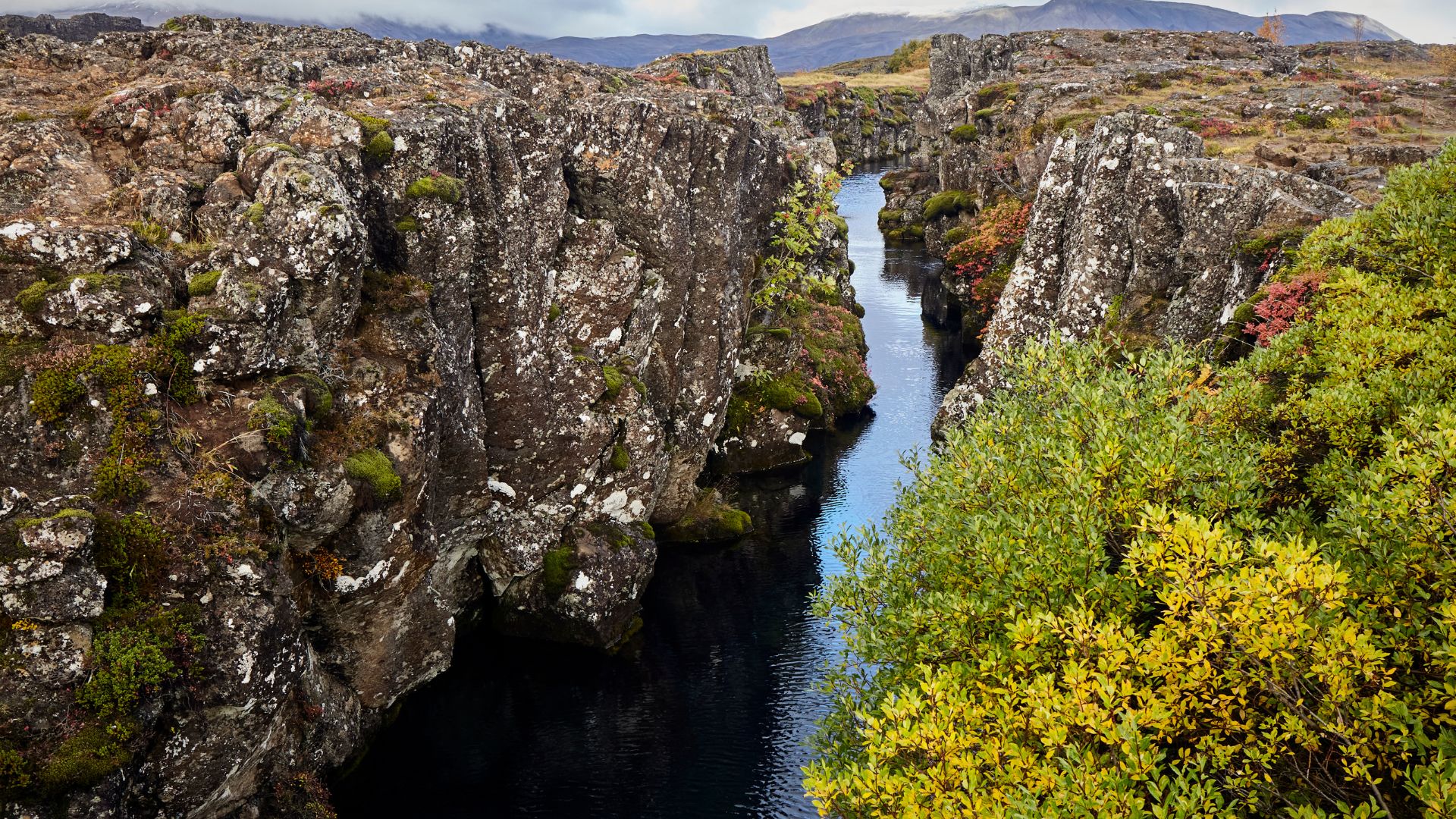
Giant Rift in the Earth
This fissure developed due to geology deep within the island of Iceland. The country is located on the Mid-Atlantic Ridge, where two tectonic plates pull apart slowly from each other. The building up of pressure within the Earth’s crust eventually leads to earthquakes and the formation of giant rifts in the land.
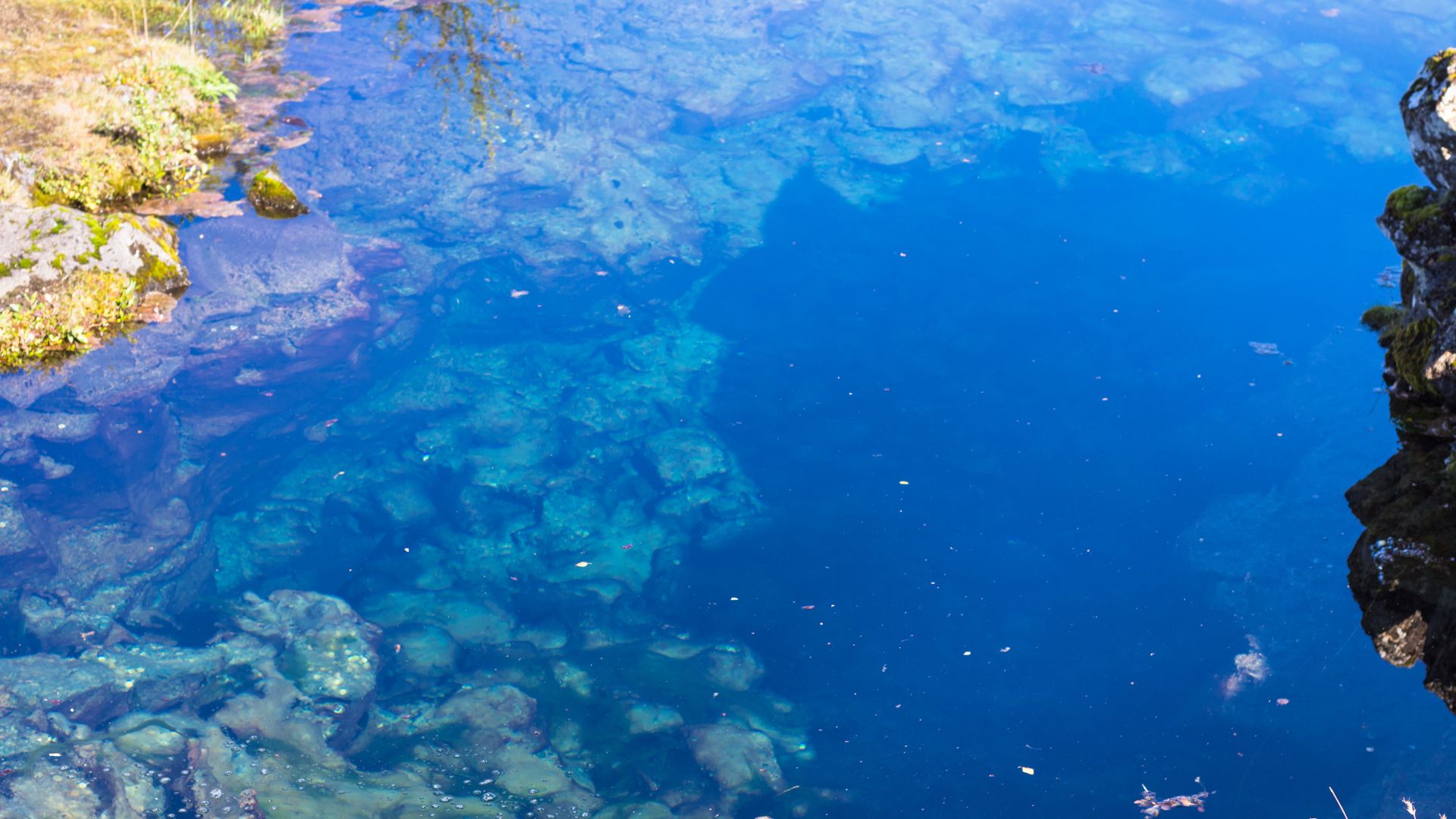
Silfra is one such crack in the Earth’s crust. When viewed from within the fissure, there are towering basalt walls on either side of the crack. On one side of the fissure is the North American continent. On the other side are the European and Asian continents. Silfra is one of the few places on the planet where a person can touch both continental plates underwater.
Decades of Natural Filtration
The depth within Silfra contains some of the clearest water in the world. People can see through to 300 feet of the fissure’s depth. It is a popular spot for scuba divers and snorkelers who come to admire the location.
Advertisement
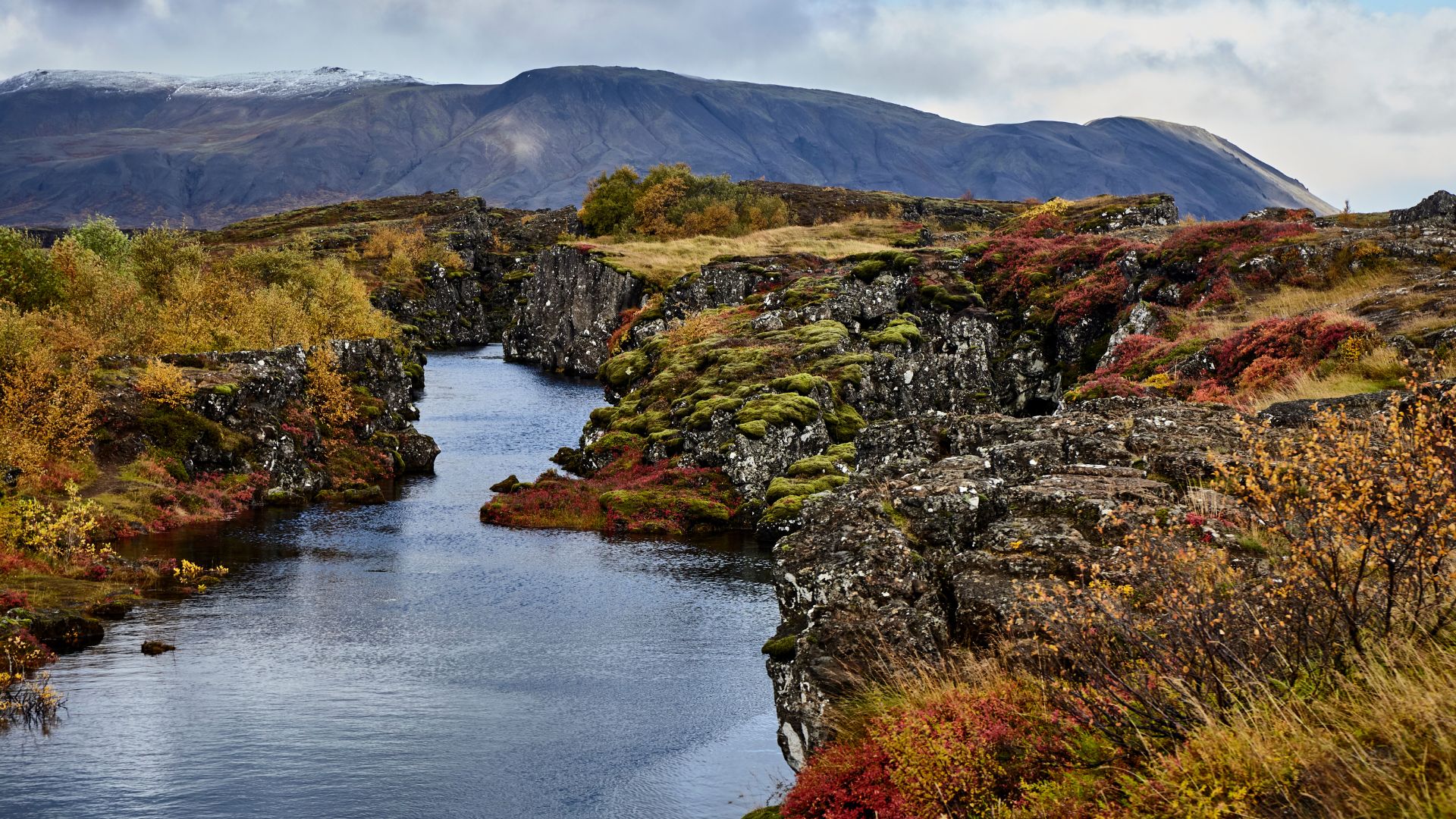
The clarity of the water within Silfra comes from the way it filters through the Earth over decades. The water comes from the Langjökull glacier in Iceland, located about 30 miles from Silfra. The melted water from the glacier slowly filters down to the fissure over a period of 30 to 100 years. During this long period of filtering through volcanic rock, all particles and impurities from the water are naturally filtered out. The resulting water is as cold as the Icelandic glaciers, yet it is pure and safe to drink directly from the fissure.
Extreme Diving Conditions
Taking a swim in Silfra is no ordinary diving spot. The water is between 35°F and 39°F year-round. It does not freeze due to the constant flow of subsurface water through the fissure; however, it is cold enough to cause hypothermia in as little as minutes without proper diving gear.
For divers, the best way to enter the fissure is in thick dry suits over thermal clothing. The water is so freezing that even insulated gloves and hoods will feel cold against the face as soon as divers enter the site. The water is also calm, but due to the fissure’s narrow walls, divers must exercise control while swimming in the fissure to avoid hitting any of the walls of the crack.
 Read Exclusive Stories
 Bookmark & Save Articles For Later