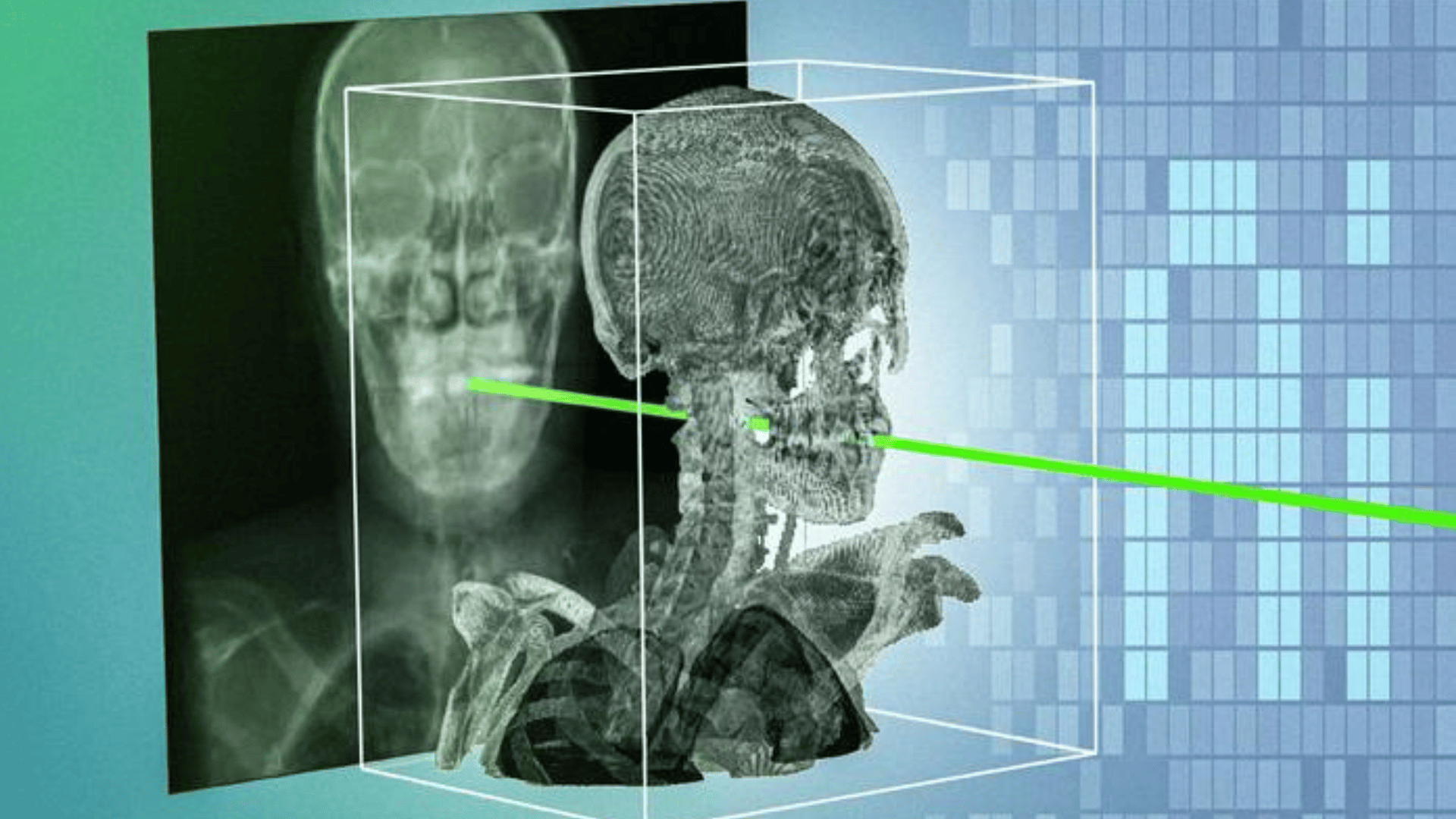
Doctors have a new way to treat brain tumors using artificial intelligence. At the Society of NeuroInterventional Surgery’s 23rd Annual Meeting, researchers shared a technique to make experimental treatments much more exact.
Usually, doctors use a catheter to send medicine right into an artery, which targets the tumor and keeps side effects low for the rest of the body. However, doctors traditionally send these therapies through just one artery. Because many tumors get blood from several vessels, using just one artery means the medicine doesn’t reach the whole tumor.
Finding Every Pathway to the Tumor
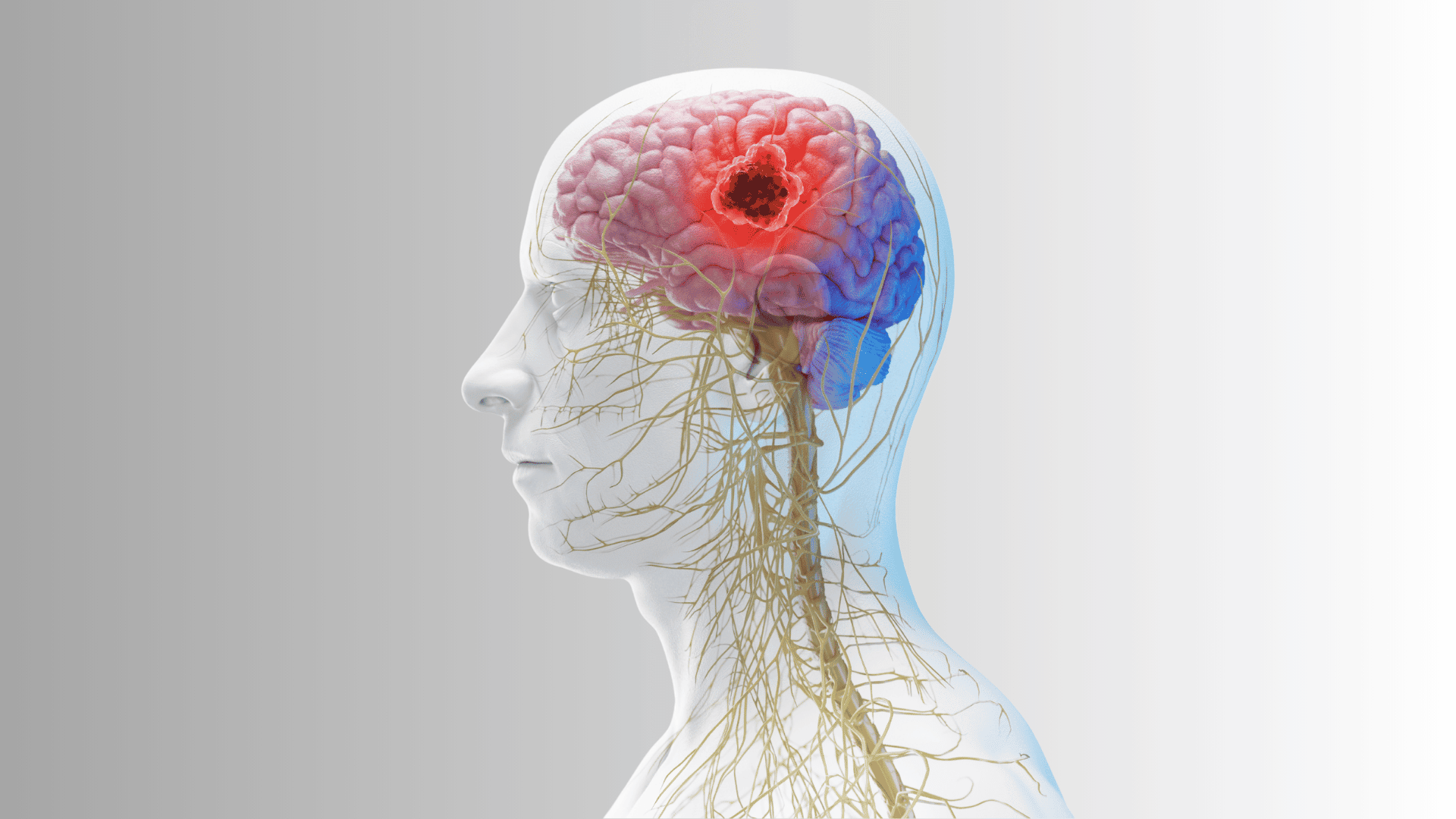
Researchers at The University of Texas MD Anderson Cancer Center created an AI tool to find every single artery that feeds blood to a tumor.
Advertisement
First, the AI spots the feeding vessels. Then, doctors confirm the findings with imaging. After that, they deliver a specific dose of medicine to each artery based on how much blood it supplies. Three patients with brain tumors had this treatment. The AI successfully mapped out multiple blood vessels for every person.
The old, single-artery way covered less than 65%. This new approach, however, covered more than 85% of each tumor. Doctors could put the medicine precisely where it was needed, reducing waste outside the target area. They also found the procedure could safely be repeated two weeks later.
Looking Ahead
“One of the biggest challenges in treating malignant brain tumors is that every patient’s anatomy is different,” said Christopher Young, MD, PhD, the study’s primary author. “AI gives us another tool to personalize treatment based on each patient’s unique blood supply, with the goal of delivering therapy more precisely. While more research is needed, this approach has the potential to improve patient care and marks an exciting advancement in neurointerventional oncology.”
Doctors still need to do more studies to figure out if covering more of the tumor actually helps patients get better in the long run.
 Read Exclusive Stories
 Bookmark & Save Articles For Later