Going outside with a simple notebook might feel a bit old-school in our digital world. But stepping away from screens and sitting under a tree can do wonders for your brain. It is called nature journaling, and you do not need to be an expert artist or a scientist to do it. All you need is paper, a pencil, and a little bit of curiosity.

Why Small Moments Matter
Our daily lives move fast. We scroll through feeds and miss the tiny, quiet things happening right in front of us. When you take five minutes to sit outside, you start to notice things you usually ignore. You might spot a strange beetle, watch the way a shadow falls across a leaf, or trace the jagged edge of a cloud.
Training Your Brain to See
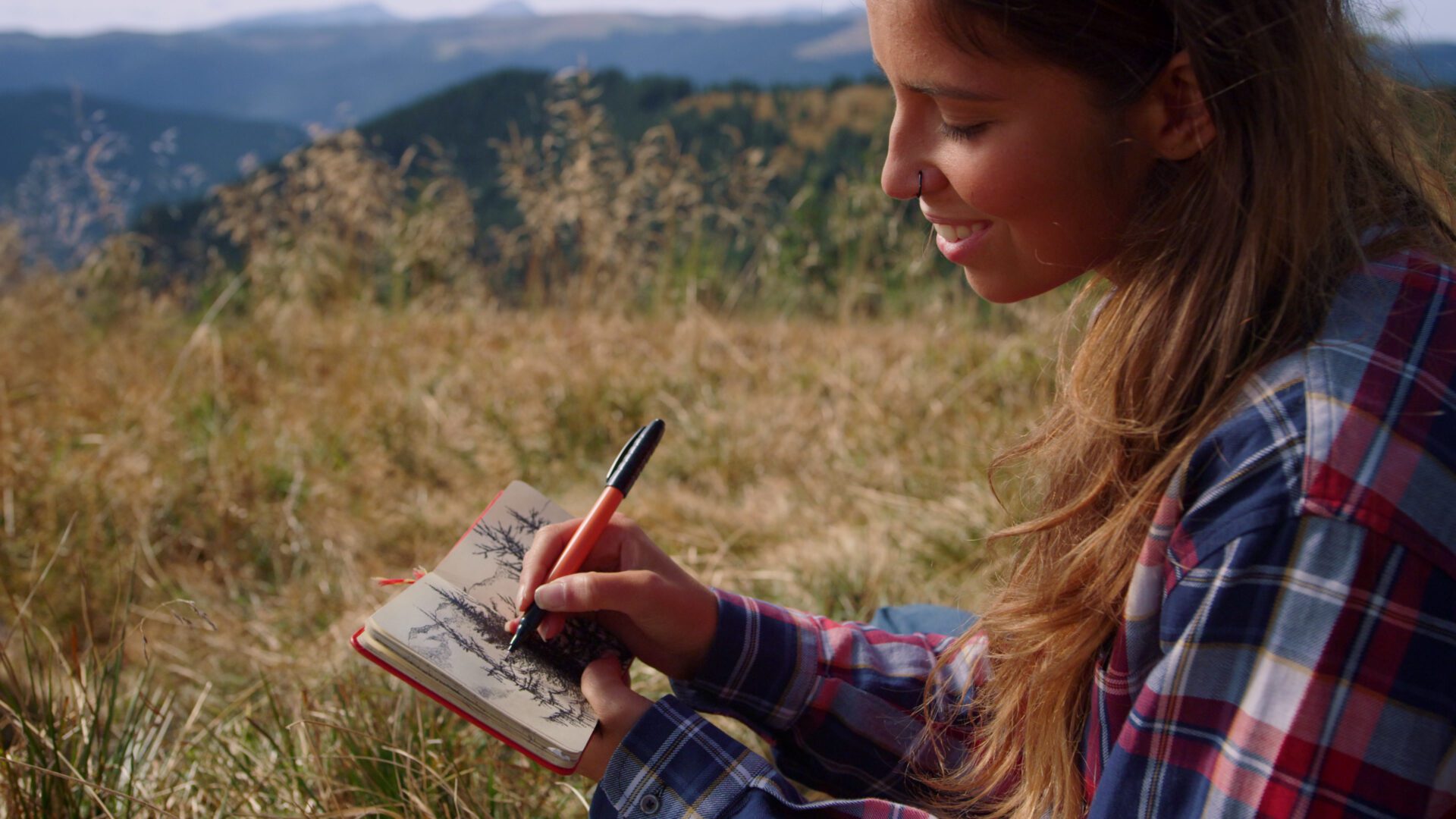
According to educator and naturalist John Muir Laws, nature journaling is not about creating a masterpiece. It is about paying attention. When you draw what you see, you force your brain to slow down and truly look. It helps you build deep observation skills. Studies show that this hands-on practice actually calms our minds, lowers stress, and improves our focus.

This kind of deep looking is a superpower for any creative work. If you write, design, code, or build things, your ideas depend on how you see the world. By training your brain to spot the details in a piece of bark or a puddle, you learn to see patterns others miss. You become better at solving problems because you know how to look at a single object from different angles.
How to Get Started
So, how do you start? Just grab whatever notebook you have lying around. Go to a park, your backyard, or even just sit by a window. Look for one small thing that catches your eye. Sketch it. It does not have to look perfect; stick figures and messy lines are totally fine. Write down a few words about it. What does it smell like? How does the texture feel?
By documenting these fleeting, everyday moments, you build a physical record of your curiosity. You will find that the more you look, the more there is to see—and that is where true creativity begins.
 Read Exclusive Stories
 Bookmark & Save Articles For Later