Most living things move through life in one direction. They are born, they grow, they age, and eventually they die. It’s one of the most basic facts of biology. But a tiny creature drifting through the ocean doesn’t always follow that rule.
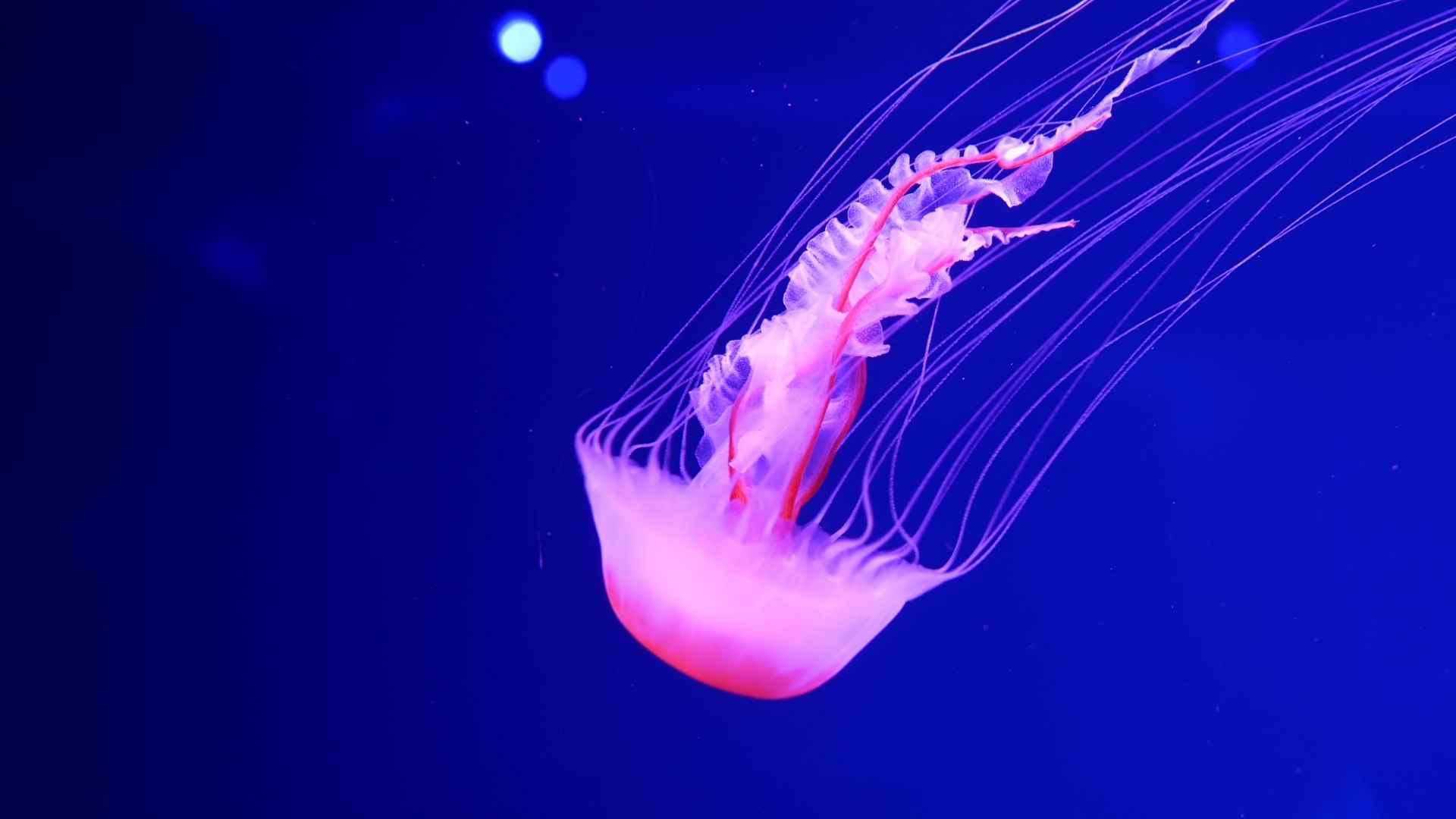
A Jellyfish That Rewinds the Clock
The immortal jellyfish, known to scientists as Turritopsis dohrnii, has attracted attention for its remarkable ability. Under certain conditions, it can reverse its life cycle. Instead of continuing toward death, it can return to an earlier developmental stage and begin the process again.
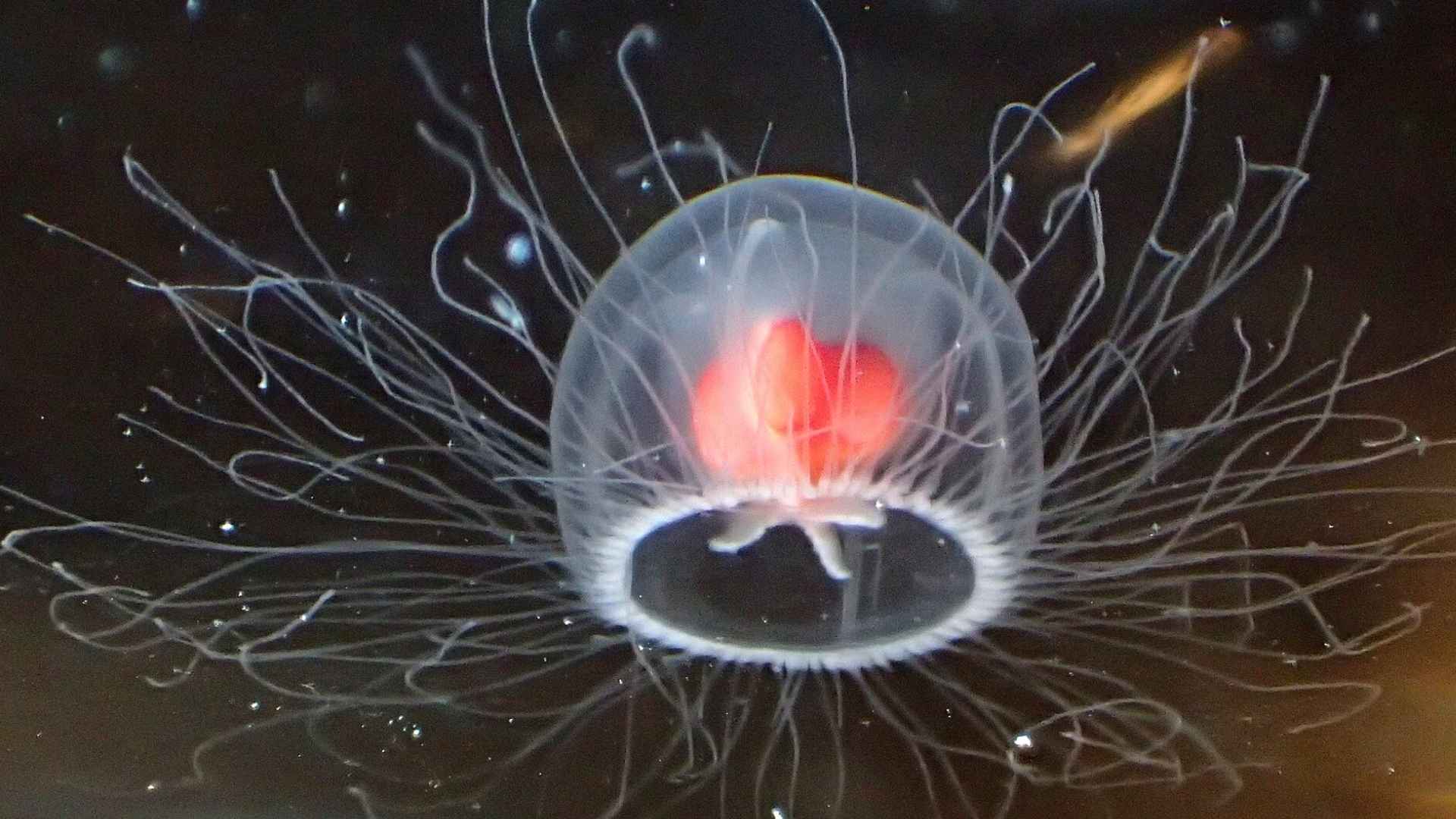
That doesn’t make it truly immortal. The jellyfish can still be eaten by predators, affected by disease, or harmed by environmental changes. But its ability to essentially hit a biological reset button is unlike almost anything else known in the animal kingdom.
The process is called transdifferentiation. In simple terms, specialized cells transform into different types of cells. When a jellyfish experiences stress, injury, or other challenges, it can revert from its adult form to a younger polyp stage. From there, it can grow into an adult jellyfish once again.
Scientists first documented this ability in the 1990s, and researchers continue to study how it works.
What Scientists Hope to Learn
Advertisement
The reason is easy to understand.
If scientists can learn more about how certain cells reset themselves, the research could improve our understanding of aging, tissue repair, and regenerative medicine. Researchers are careful not to make promises about future treatments. Human biology is far more complex than that of a jellyfish. But studying unusual organisms has often helped advance science.
Nature has a way of solving problems long before humans begin asking questions. The immortal jellyfish is one example.
What’s inspiring is that one of the ocean’s most important biological mysteries comes from a creature smaller than a fingernail. It doesn’t look extraordinary. Most people swimming past it would never notice it. Yet it may hold clues that help scientists better understand how living systems repair themselves.
Big Lessons From a Tiny Creature
There is a lesson in that. We often assume that important discoveries come from the biggest machines, the largest laboratories, or the most visible breakthroughs. But sometimes they come from overlooked places.
A tiny jellyfish drifting through the sea reminds us that curiosity still matters. There are countless questions waiting to be answered, and some of the most valuable insights may come from the places we least expect.
The natural world is full of surprises. And every so often, it offers a reminder that there is still much to learn about life itself.
 Read Exclusive Stories
 Bookmark & Save Articles For Later