It sounds like something from a poem, but it’s actually one of the most remarkable facts in science: the atoms that make up your body were created inside stars.
The iron flowing through your blood, the calcium in your bones, and the carbon that helps build every cell in your body were forged billions of years ago in the intense heat and pressure of massive stars. When those stars reached the end of their lives, they exploded and scattered those elements across space. Over time, those materials became part of new stars, planets, and eventually life itself.
That means the story of your existence didn’t begin at birth. It began long before Earth even formed.
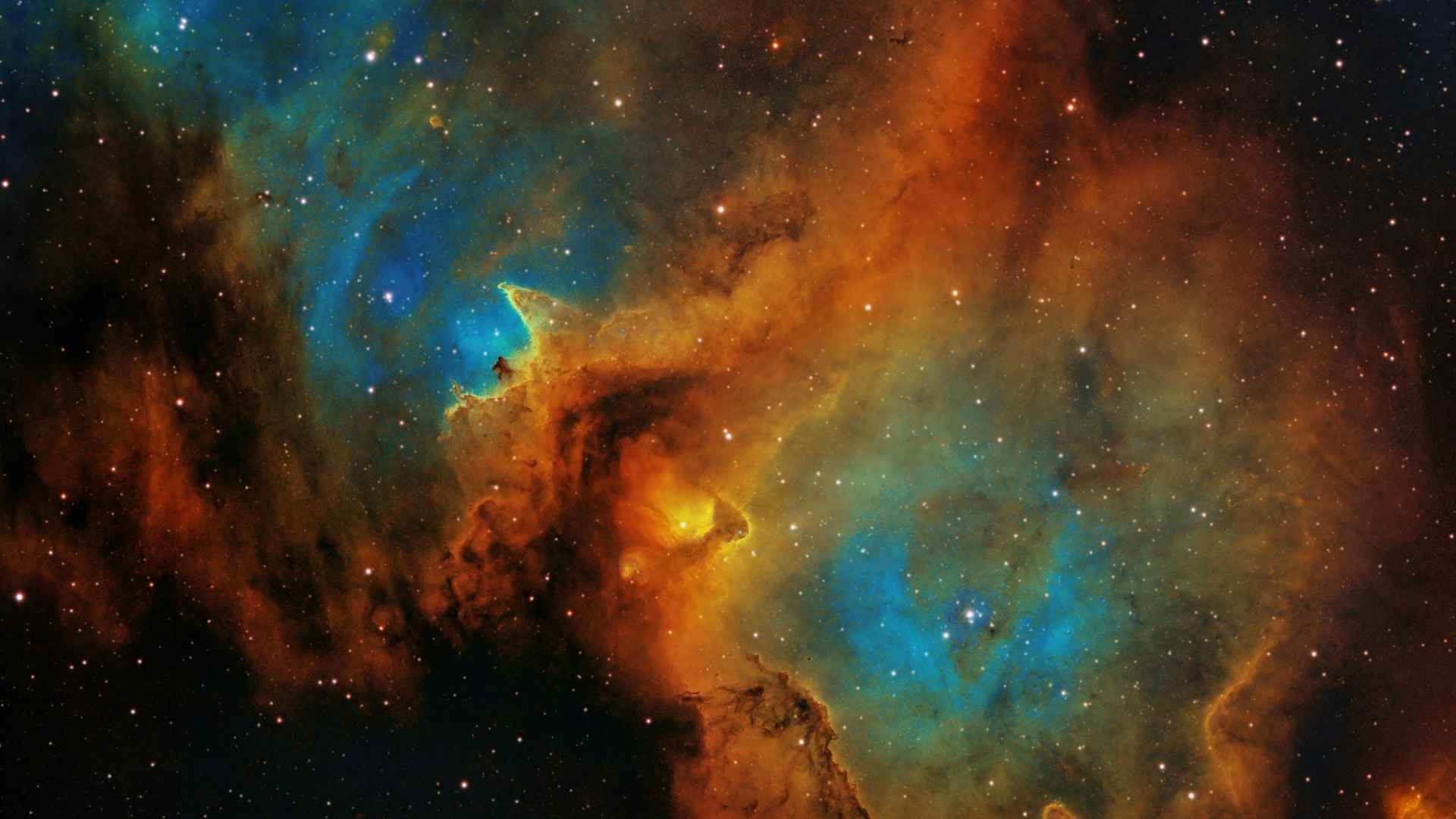
Born in the Hearts of Stars
Scientists sometimes describe this process as stellar nucleosynthesis. The term sounds complicated, but the idea is simple. Stars are giant element factories. Inside their cores, lighter elements fuse together to create heavier ones. When large stars die, they release those elements into the universe, making future planets and life possible.
Without those ancient stars, there would be no Earth, no oceans, no plants, and no people. And that’s where the science becomes something more than a lesson in astronomy.
On a daily basis, it’s easy to feel disconnected. We get caught up in schedules, deadlines, traffic, and endless notifications. Our world can shrink to the size of a phone screen. But looking up at the night sky offers a different perspective.
Advertisement
A Connection Bigger Than Ourselves
The atoms in your body and the atoms in distant galaxies share a common origin. The same physical laws that shape stars also govern every cell in your body. We are not separate from the universe. We are one of its many expressions. That idea doesn’t make human life less important. In many ways, it makes it more meaningful.
As far as we know, consciousness is rare. The universe has spent nearly 14 billion years evolving from simple particles into stars, planets, and eventually living beings capable of asking questions about where they came from. Through us, the cosmos has gained a way to observe itself.
Of course, science doesn’t answer every question about existence. It can’t tell us exactly why we’re here or what meaning we should find in life. But it does reveal something extraordinary: each of us is part of a story far bigger than ourselves.
Looking Back at the Cosmos
We are temporary, but we are connected to something ancient and vast.
The next time you look up at the stars, remember that you’re not looking at something separate from you. You’re looking at distant relatives. The universe is not just around us. It’s within us. And for one brief moment in cosmic history, a collection of stardust gets the chance to wonder about its own origins.
 Read Exclusive Stories
 Bookmark & Save Articles For Later