The U.S. Department of Energy (DOE) is putting up to $500 million into American coal infrastructure. The money comes from the Defense Production Act and will split into upgrading existing power plants and building a major new shipping hub on the West Coast.
Upgrading the Coal Fleet
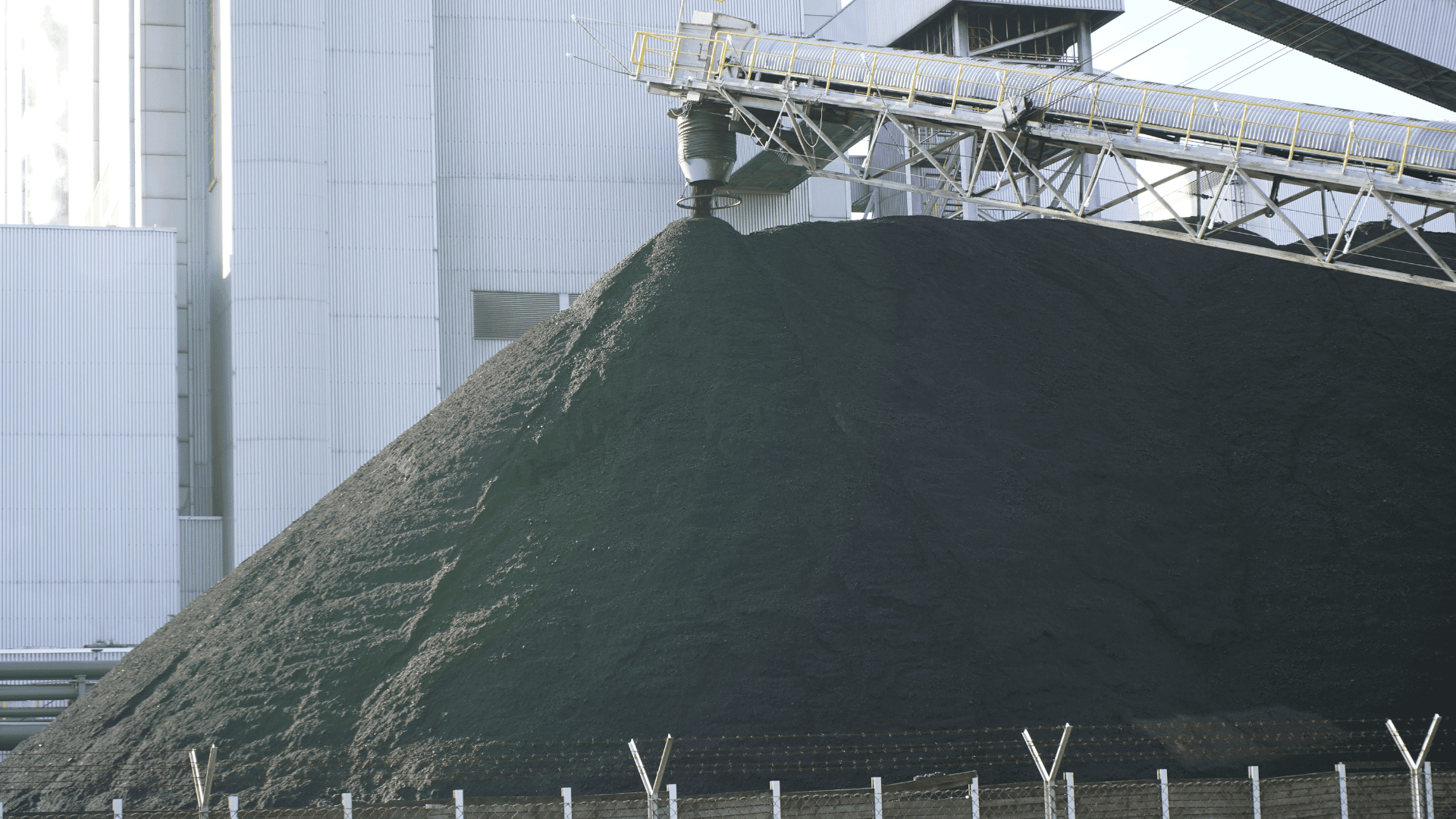
Up to $425 million of the funding is headed to 12 projects across the country. The goal is to fix and expand the current American coal fleet, which helps keep the electrical grid stable.
But the rest of the money, about $75 million, is going toward a specific shipping project in California called the West Gateway Terminal Project. Located in Oakland, this rail-served marine terminal will be able to move more than 10 million tons of bulk commodities every year. Right now, it’s difficult for the U.S. to ship these resources from the West Coast, so this project is meant to make that easier. Additionally, it will help the U.S. send energy to other countries including Japan, South Korea, Taiwan, Vietnam, and Malaysia.
Advertisement
“To ensure our national security, the United States will continue to support our coal fleet and domestic supply chains,” said U.S. Secretary of Energy Chris Wright. “For too long, limited West Coast export capacity has constrained America’s ability to move coal and other energy resources to global markets. By investing in both coal generation and critical export infrastructure, including the West Gateway Terminal Project, the Energy Department is strengthening U.S. energy security, reinforcing strategic supply chains, and advancing American energy dominance.”
Logistics Matter
The government is using these specific national security funds to keep the country’s industrial capacity strong. When the power grid has reliable baseload power, it is less vulnerable to disruptions.
On the export side, having a dedicated terminal makes it much easier to get American resources into the global market. It links local mining directly to international trade routes.
“The West Gateway Terminal Project fills a critical infrastructure gap in the U.S. energy export system by providing additional West Coast export capacity for American coal producers,” said DOE Under Secretary of Energy Kyle Haustveit. “By expanding access to global markets, the project will support continued growth in U.S. coal exports, improve supply chain resilience, and strengthen energy partnerships with allies throughout the Indo-Pacific region.”
 Read Exclusive Stories
 Bookmark & Save Articles For Later