When you look at a pile of discarded steel, you probably don’t see a moving animal. But Michigan-based sculptor Ivan Iler sees the potential for life in cold, hard scrap metal. Iler is a kinetic artist who builds massive wildlife sculptures that do more than just stand still. Through a complex system of hand-cranked gears and cams, his sculptures actually move.
He doesn’t just build the shape of a whale or a fox. He builds the mechanics of how they swim and run. This approach to art blends heavy industrial welding with the precision of a watchmaker, turning rusty metal into something that breathes.
From Motorcycles to Moving Art
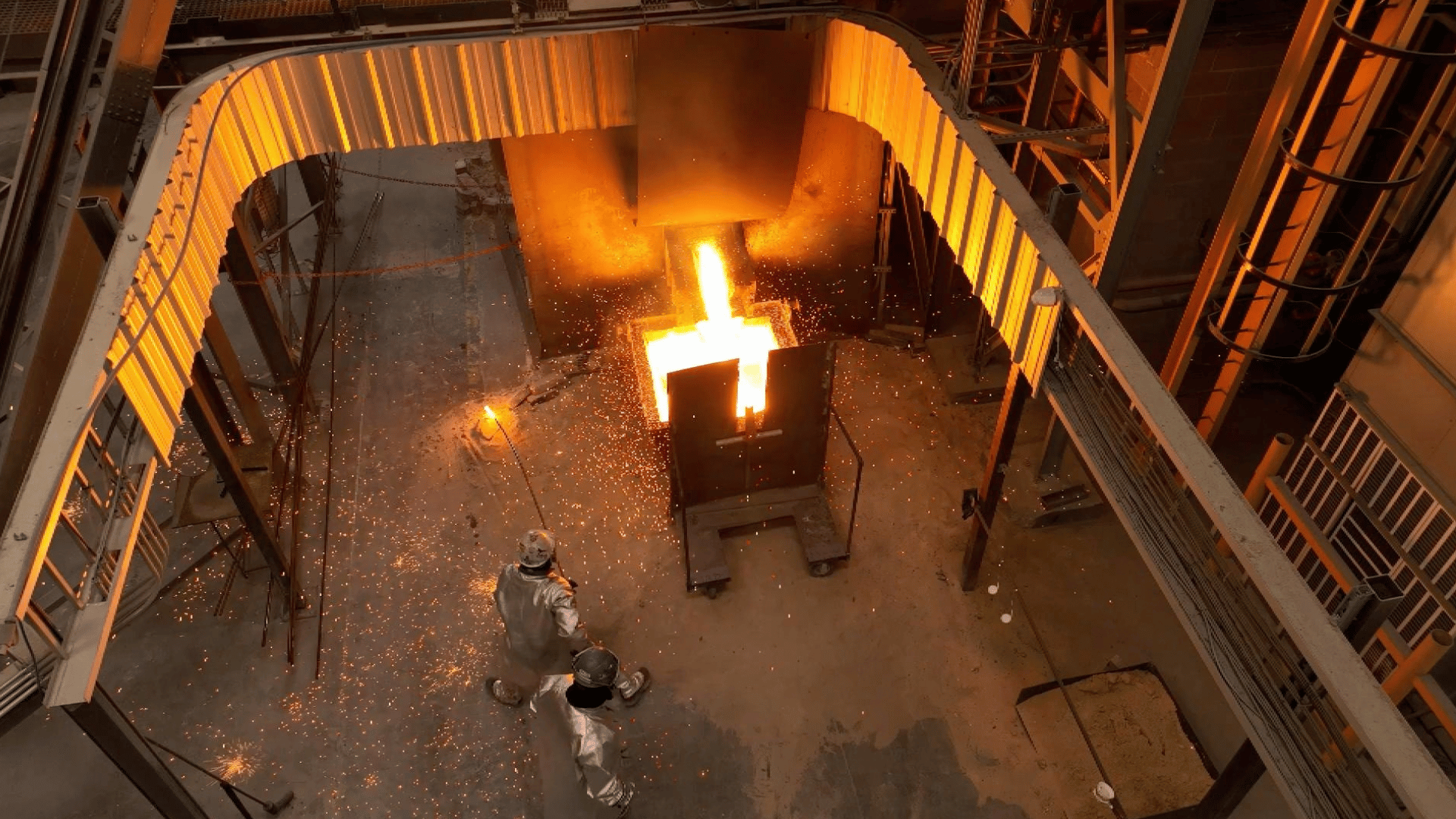
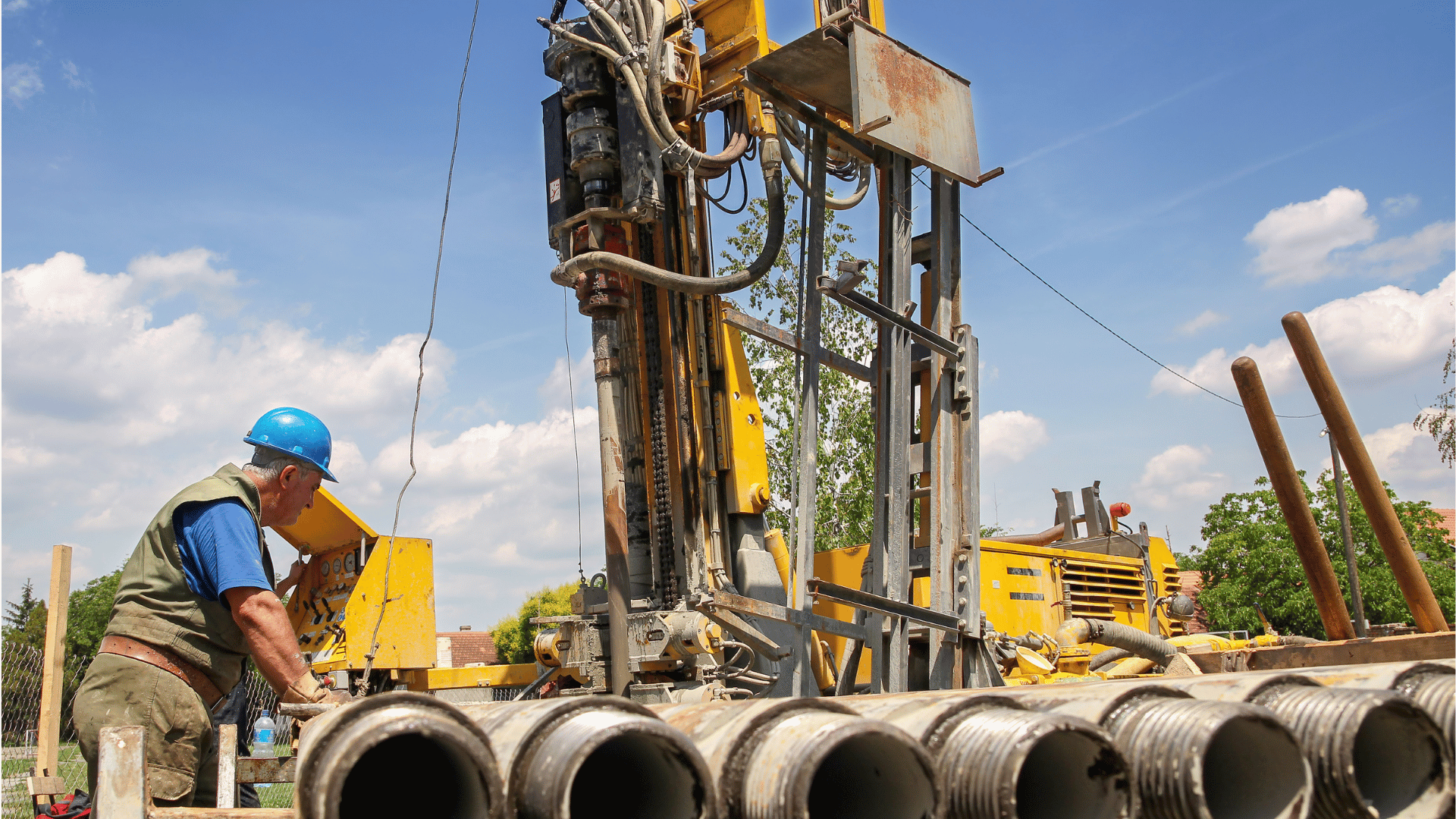
Iler didn’t start out in fine art galleries. He spent years running a custom motorcycle shop where he taught himself how to weld, bend, and fabricate metal. Building bikes requires a deep understanding of mechanical design and engineering. You have to know how parts connect and how engines work.
When he decided to focus entirely on art, he brought those mechanical skills with him. He started using the same tools he used on motorcycles to create his sculptures. Instead of making abstract shapes, he focused on nature. His work features recognizable subjects, like an elephant, a flying owl, or a fox chasing a hare. But the real magic happens when you turn the crank on the side of the base.

Advertisement
Engineering the Illusion of Life
Making cold metal look fluid is a massive challenge. Iler starts by studying the animal’s actual anatomy. He figures out how the joints move and how the muscles stretch. Then, he translates that biological movement into mechanical linkages.
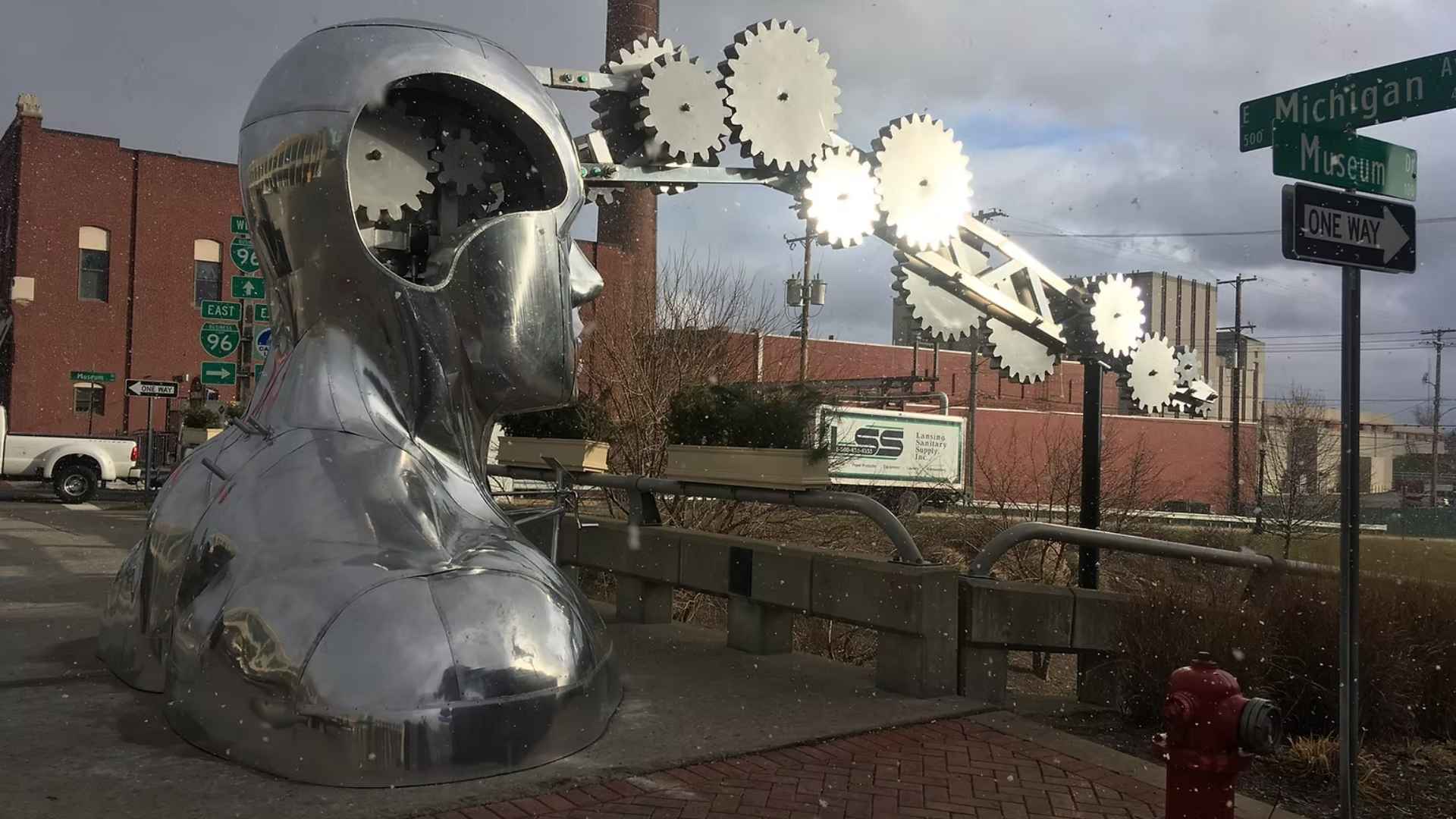
He uses scrap metal, aluminum, and stainless steel to build the outer shell. Inside, he carves out custom cams and gears. As these interior pieces spin, they push and pull on the outer metal plates, forcing the sculpture through a series of specific motions. A stainless steel owl flaps its wings, or a scrap metal whale swims through the air. The gears force the metal to repeat the cycle over and over.
Art You Can Touch
Most museums tell you not to touch the artwork. Iler’s work is the exact opposite. His kinetic sculptures are meant to be handled. He wants you to turn the gears and watch how the motion transfers from the handle to the tip of an animal’s tail.
This hands-on approach makes you appreciate the science behind the art. It is a perfect reminder that creation isn’t just about making something look good. It is about understanding how things work and finding a way to make the impossible happen with the pieces everyone else left behind.
 Read Exclusive Stories
 Bookmark & Save Articles For Later