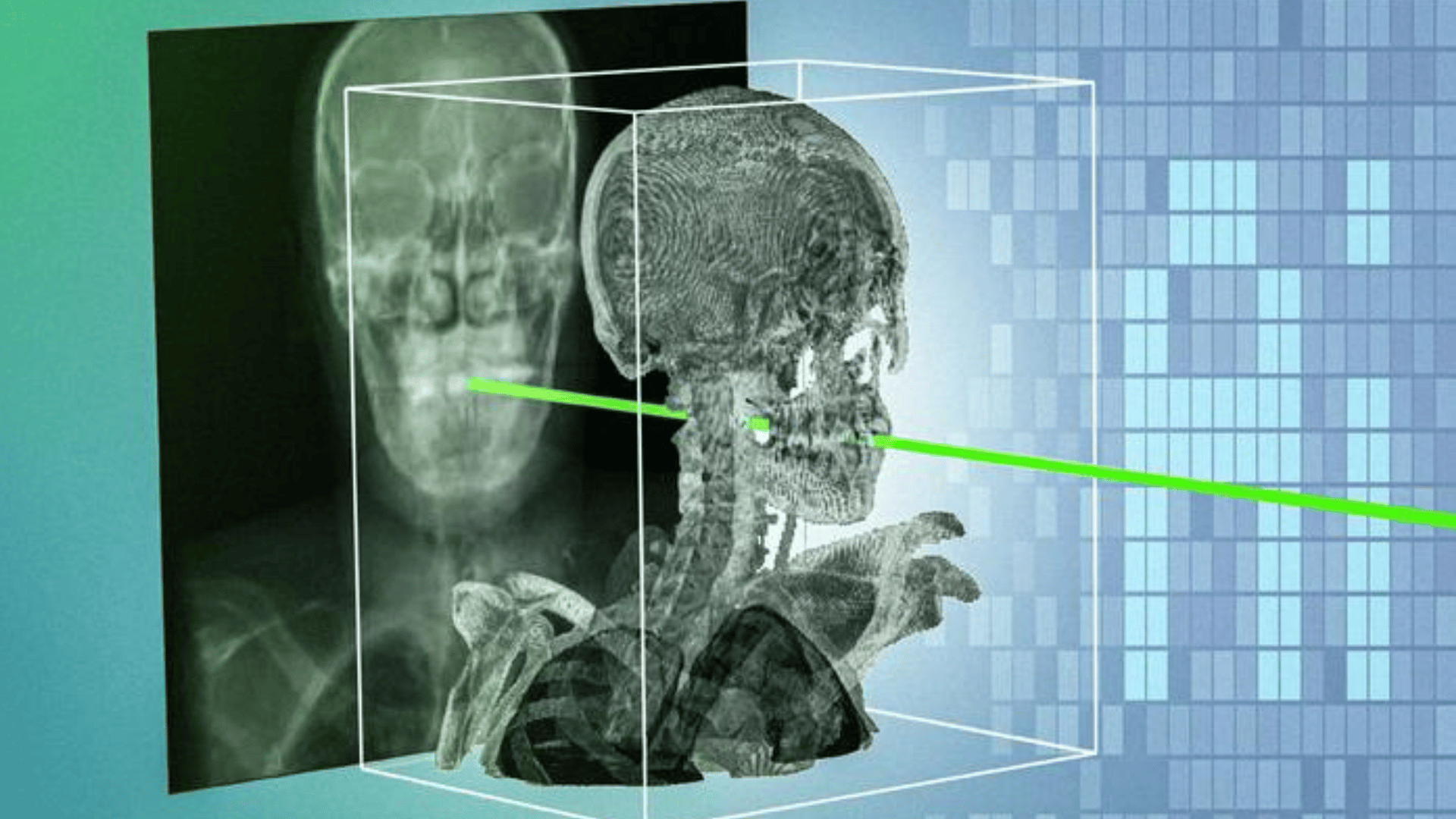
A tiny electrical zap to the spinal cord might be the key to helping stroke survivors use their arms again.
Researchers at the University of Pittsburgh School of Medicine just finished a small clinical trial testing this setup. They put thin electrodes along the neck region of the spinal cord in seven patients who had severe muscle weakness from a stroke. The results, published in Nature Medicine, show that the treatment is safe and actually works.
Sending an Electrical Signal to the Spinal Cord
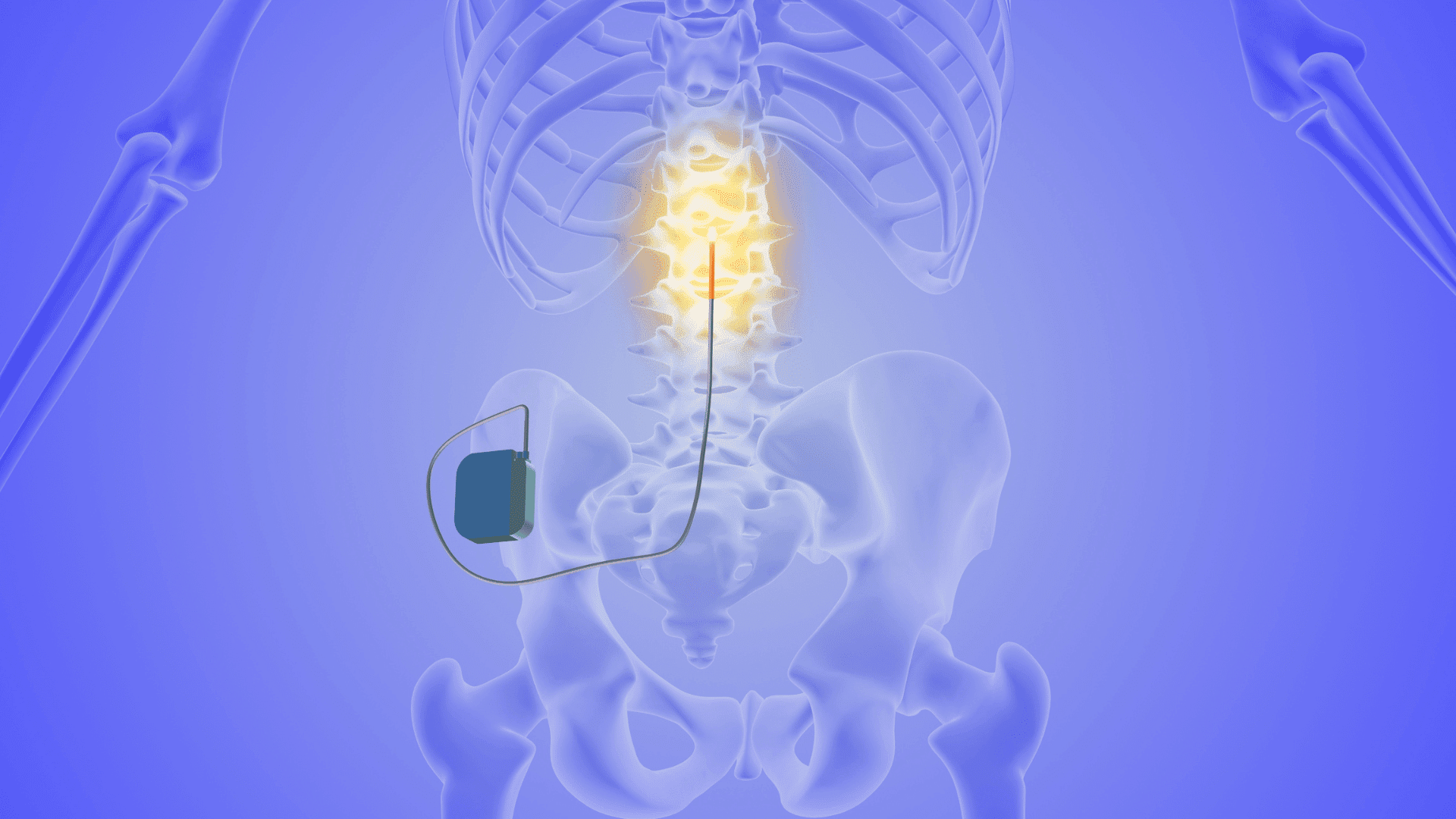
When someone has a stroke, the connection between the brain and the muscles gets damaged. This technology sends electrical signals to the spinal cord to help the remaining brain-to-muscle connections work better.
On average, the patients saw a 32% increase in arm strength. Their arms moved better, and their muscle stiffness went down. Patients only did about nine hours of movement training over four weeks, and nobody reported any pain or serious side effects.
“This approach is designed to rapidly help people move their arms better, even years after a stroke,” said Marco Capogrosso, Ph.D., one of the lead researchers. “The stimulation works mostly as an assistive technology — when it’s on, people can move better. By stimulating the spinal cord, we can immediately allow residual connections between the brain and the spinal cord to work more efficiently, enabling better movement.”
Advertisement
A Big Impact to Stroke Patients
Around 400,000 people in the U.S. deal with chronic arm and hand weakness from a stroke every year. Unfortunately, at this stage, regular physical therapy is not much help.
Most of the benefits happen when the device is turned on. When researchers turned it off, the patients’ movement abilities went back down. That means this is more like a permanent assist device, similar to a pacemaker but for movement.
Still, for patients, it is major step in the right direction.
“From a clinical perspective, even modest improvements in arm strength or control can make a meaningful difference in daily life of stroke survivors,” said study co-author George Wittenberg, M.D., Ph.D. “Some of the improvements we measure may look small from the outside, but many stroke survivors are just on the verge of being able to do something important.
Wittenberg added, “Even a small change in motor function can be very significant if it helps someone button a shirt, open their hand or return to an activity they care about.”
The team is already looking for more people to join a longer study to see how this technology works over a longer period.
 Read Exclusive Stories
 Bookmark & Save Articles For Later