For a long time, scientists believed that damage to the brain and spinal cord was permanent. When the nerve fibers that carry signals between them are hurt, they rarely grow back, often leading to paralysis. New research from the University of Cambridge challenges that traditional belief.
Scientists have grown miniature circuits in the lab that mimic how the brain and spinal cord connect. They showed that “irreversible” damage could possibly be reversible.
Building a Mini Nervous System
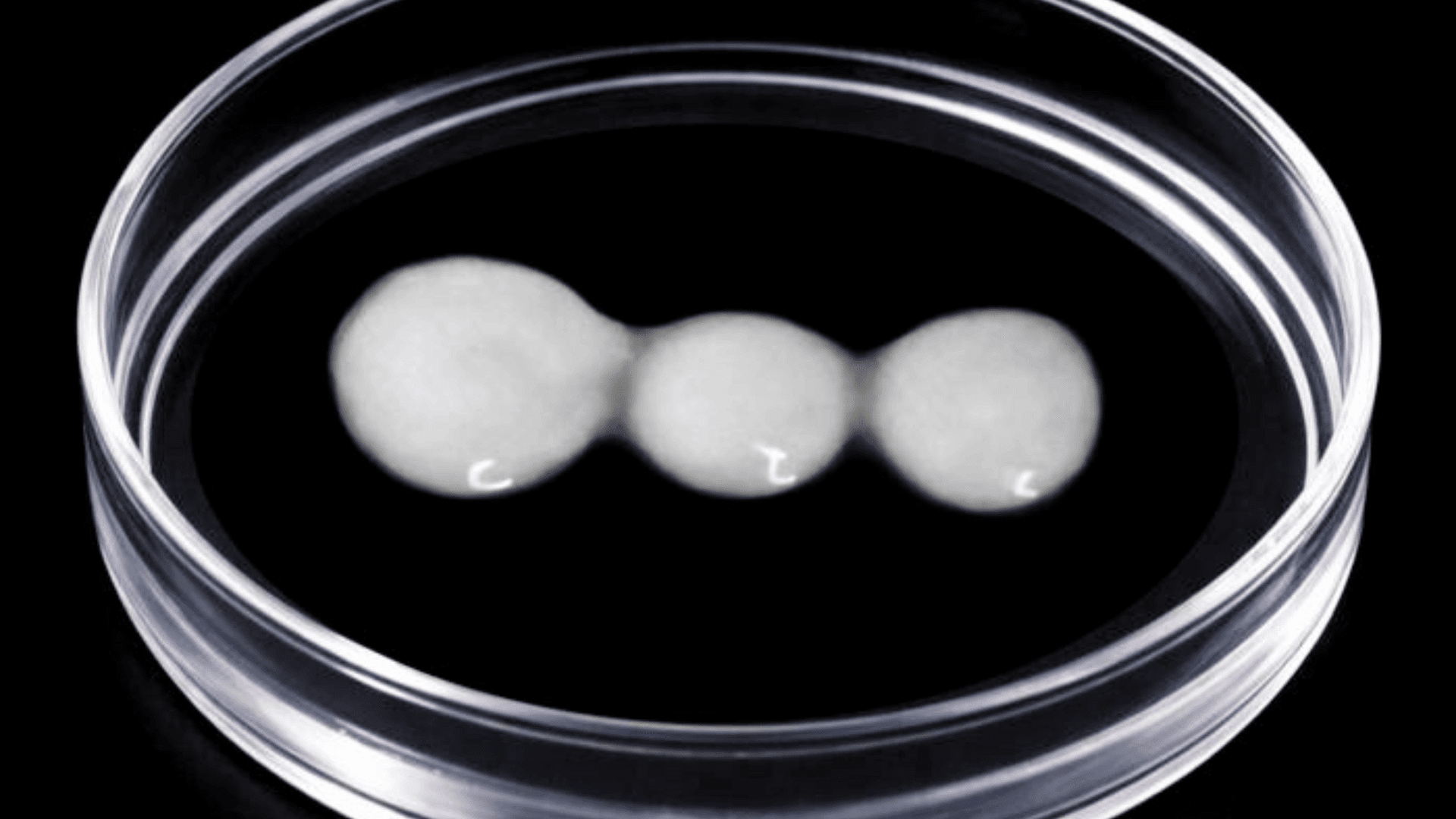
In 2021, Dr. András Lakatos and his team grew pea-sized “mini brains” using human stem cells. Fast forward to 2026, they have now built a connected human brain and spinal cord system in a dish.
Because these tissues are separate in the body, the researchers kept them apart in the lab. The nerve fibers grew across the gap to connect the two parts, forming a working circuit that could make tiny muscle clusters contract.
The team kept this system growing for over a year. They found that up until day 150 the nerve fibers could regrow after being damaged. After that day, their ability to grow dropped off significantly.
“Neurons taken from less mature organoids regrew long fibres after injury, but those from more mature organoids showed a sharp drop in their ability to regrow,” George Gibbons, the study’s first author, said. “In other words, poor regeneration is built into human neurons as they mature in the central nervous system.”
Advertisement
Reversing the “Irreversible” Nerve Damage
Additionally , the team found a network of genes that acts like a switch, slowing down growth as neurons mature. When they blocked parts of this network, the ability to grow switched back on.
They searched a drug database and found lynestrenol, a hormone drug used for contraceptive and menstrual disorders. When they put it on damaged neurons, it boosted nerve growth.
“When the brain and spinal cord are damaged, the nerve fibres that carry movement signals from the brain to the spinal cord rarely grow back,” Senior author Dr. András Lakatos explained. “That’s why paralysis is usually permanent. But we didn’t know exactly when the ability of axons to regenerate becomes limited. Our model provides a good indication that this block happens during development, and it can still be reversed after this point.”
Dr. Lakatos doesn’t believe lynestrenol itself is the answer to repairing a spinal cord. However, it shows, in principle, that it’s possible to target human neurons and regenerate their axons.
“Although we still need to show that this strategy will also help to re-establish appropriate connections between the brain and spinal cord cells, this gives us hope that one day we may be able to treat conditions previously thought untreatable,” Dr. Lakatos added.
Lakatos explained, “Much of what we know about nerve regeneration comes from rodents, whose neurons behave differently from human neurons. Our sophisticated organoid models help bridge the knowledge gap from animal models to what we see in patients. They are also an important contribution to efforts to reduce the use of animals in research.”
 Read Exclusive Stories
 Bookmark & Save Articles For Later