If you’ve ever tried out a piece of “smart” clothing, you probably weren’t that impressed. Most of the time, it’s just a normal shirt with a plastic puck clipped to the chest or a bunch of stiff wires sewn into the seams. It’s uncomfortable, it looks weird, and you usually have to take the electronics out just to wash them. But a new wave of textile production is changing that. It’s called fiber-integrated electronics, and it basically turns your clothes into a second skin.
The Sensor Is the Thread
The big shift here is that engineers have stopped trying to attach gadgets to fabric. Instead, they’re making the fabric out of the gadgets. By coating individual fibers in conductive materials like silver or carbon nanotubes, they can weave sensors directly into the knit of a shirt.
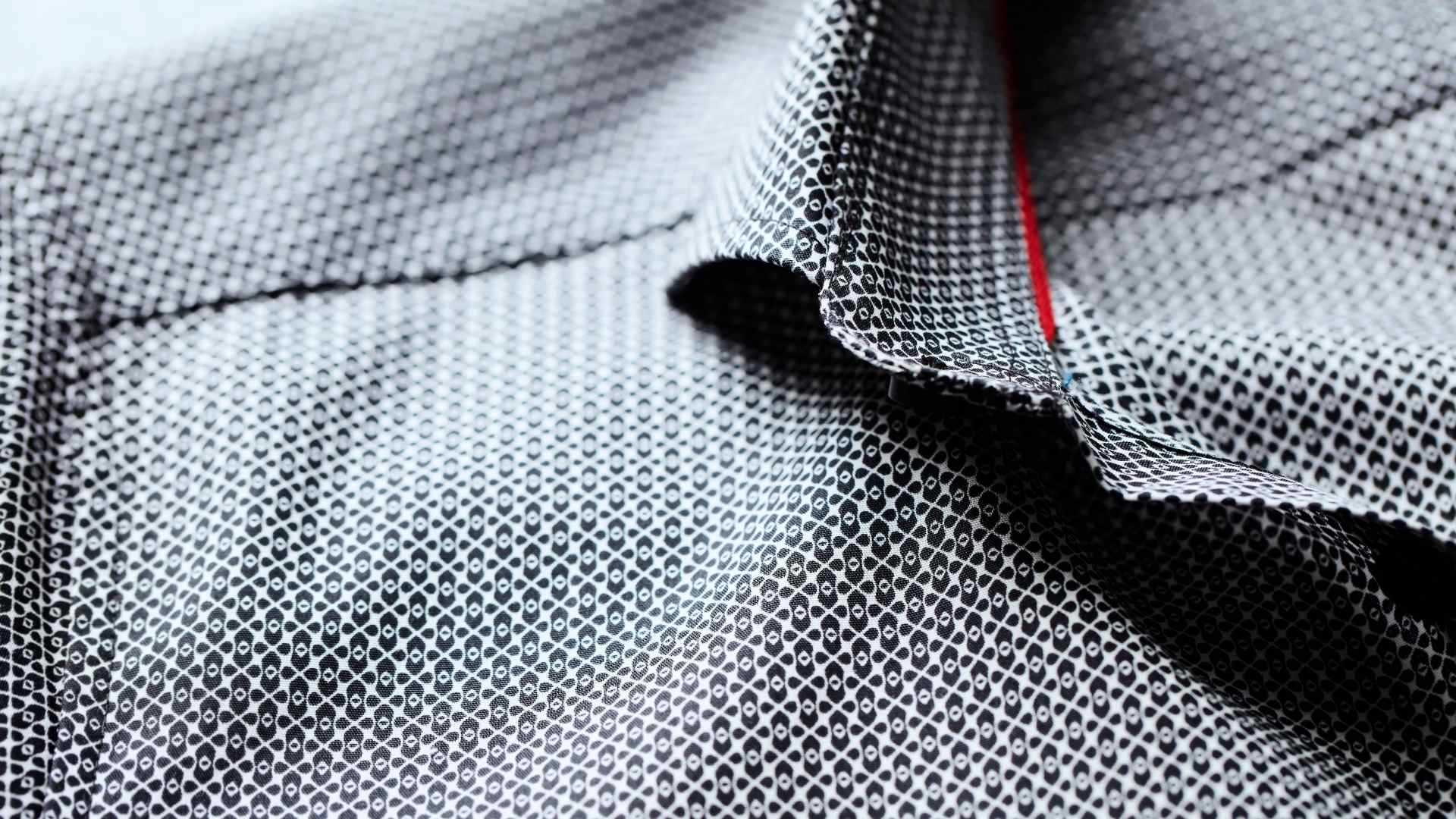
To the naked eye, it looks like a regular gym shirt. But under a microscope, the threads act like electrodes. These fibers can pick up the tiny electrical signals from your heart or the moisture levels in your sweat. Because the sensors are embedded in the fabric itself, they don’t move around, which means the data is much more accurate than with a loose-fitting smartwatch.
Tracking More Than Just Steps
Here is the thing: this isn’t just a glorified pedometer. These textiles are picking up hospital-grade information. For a professional athlete, it can track muscle fatigue by measuring the electrical activity in their quads during a sprint. For a physical therapy patient, it can show a doctor exactly how their range of motion is improving without the patient ever having to leave their house.
Advertisement
It also tracks body temperature and breathing patterns in real-time. But since there aren’t any wires or bulky battery packs, you don’t feel like you’re wearing a medical device. It just feels like a soft t-shirt.
The Production Hurdles
Now, we aren’t quite at the point where you can buy these at every department store. There are still some issues to work out. For one, making these conductive threads survive a hot dryer is a challenge. The chemicals in laundry detergent can be pretty harsh on the thin coatings used to make the threads “smart.” Plus, weaving electronics at a mass-production scale is still more expensive than a basic cotton blend.
Why It’s a Big Deal
But the potential for health and safety is massive. Think about firefighters or construction workers. A “second skin” jacket could alert a supervisor if a worker’s core temperature gets too high or if their heart rate spikes dangerously. It takes the guesswork out of safety.
This is the real goal of STEAM in the world of fashion. It’s not about adding flashy screens to our sleeves. It’s about making technology so small and so integrated that we forget it’s even there. When the production catches up to the ideas, your clothes won’t just cover you—they’ll be looking out for you.
 Read Exclusive Stories
 Bookmark & Save Articles For Later