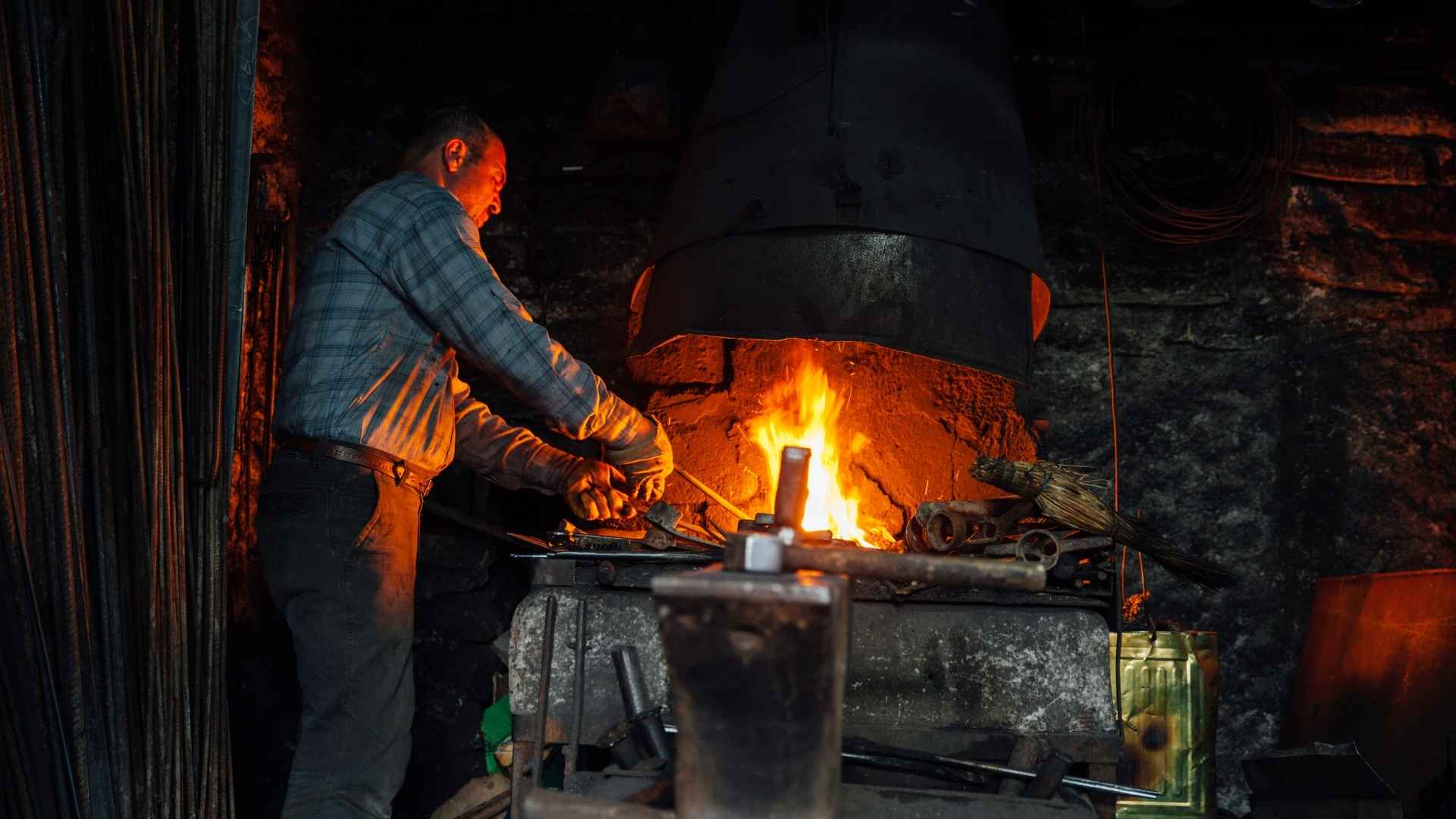
Thousands of years ago, the big innovation was learning how to smelt iron. Early blacksmiths took raw ore from the earth, heated it up, and hammered it into tools. It was messy work that required a deep understanding of heat and metal. Today, we have a new kind of “ore” that is everywhere: plastic. And a new generation of creators is learning how to forge it.
We call this “filament forging” or upcycling. Instead of digging into the ground, these modern makers are mining our trash. They take old milk jugs, failed 3D prints, or plastic bottle caps and turn them back into raw material. It’s a way to close the loop on pollution while making something entirely new.
How to Forge Plastic
Advertisement
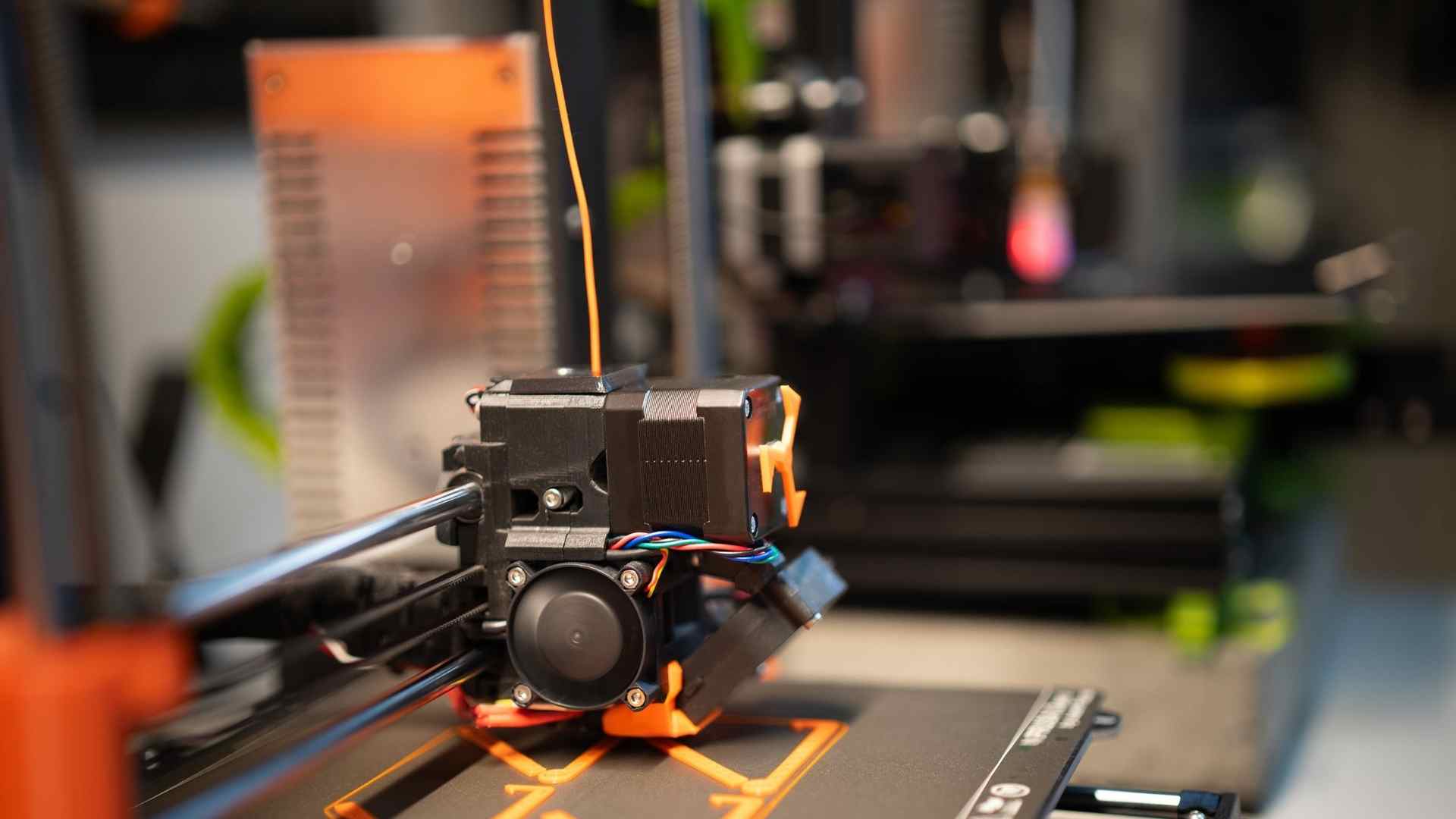
The process feels surprisingly traditional. First, the plastic is sorted by type. You can’t just mix a water bottle with a LEGO brick; they melt at different temperatures. Once it’s sorted, the plastic is shredded into tiny flakes. These flakes are then fed into an extruder. Inside the extruder, the plastic is heated until it’s soft and gooey, much like molten metal in a forge. It’s pushed through a small nozzle and quickly cooled to form a long, thin string. This string is the “filament” used for 3D printing. If you don’t have a printer, you can even use the warm plastic to hand-mold shapes, just like a potter with clay.
The Chemistry of Creation
This isn’t just about being eco-friendly. It’s a masterclass in material science. When you forge your own filament, you have to learn the personality of each polymer. Some plastics are flexible but warp easily. Others are incredibly strong but require high heat. Just as an ancient blacksmith knew exactly how to temper a blade, a modern maker must know the exact “melting point” of their waste. If it gets too hot, the plastic burns and releases fumes. If it’s too cool, it won’t flow. It’s a hands-on way to learn how things in our daily lives are actually made.
Why It Matters
Here’s the honest truth: we have a massive plastic problem. Recycling centers can’t always handle every type of container we throw away. By bringing the “factory” into the studio or the garage, creators are finding value in things we used to call garbage. But it’s hard work. It takes time to clean the plastic and to get the machine settings right. It isn’t always as perfect as the stuff you buy at the store. But that’s the point of the “World of Creation.” It’s about the trial and error of making something yourself. Whether it’s an iron sword or a 3D-printed vase made from old soda bottles, the goal is the same: taking what we have and turning it into what we need.
 Read Exclusive Stories
 Bookmark & Save Articles For Later