A unique marble sculpture of Cupid and Psyche by Antonio Canova is so thin that sunlight can be seen through its wings, giving it an angelic, glowing appearance at certain times of the day.
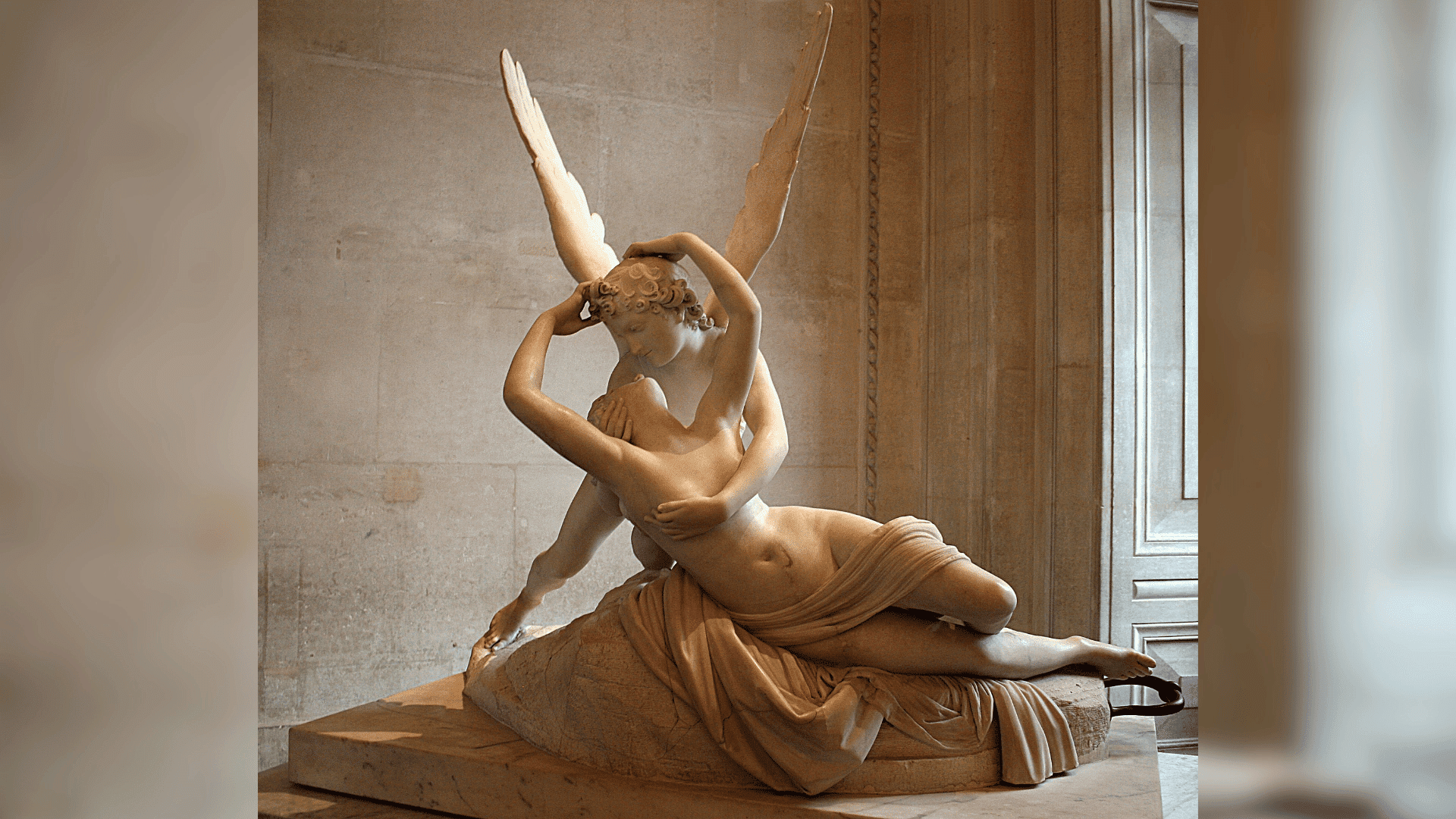
Psyche Revived By Cupid’s Kiss
Canova’s father was a stone cutter, and his paternal grandfather, Pasino Canova, was a stonemason, owner of a quarry, and sculptor specializing in late Baroque style. He led Canova to pursue professional sculpting, with other works including Perseus Triumphant, Napoleon as Mars the Peacemaker, Venus Victrix, and The Three Graces.
Psyche Revived By Cupid’s Kiss is made entirely of marble and stands at almost five feet tall. There are two versions of this piece in existence: one at the Louvre in Paris and one on display at St. Petersburg in Russia. It was a common practice for Canova to produce several iterations of the same design.
Advertisement
The sculpture features Cupid, otherwise known as the god Eros, gently awakening Psyche after she has fallen into a deep sleep, as per the legend. The most famous version of this sculpture is located at the Louvre Museum.
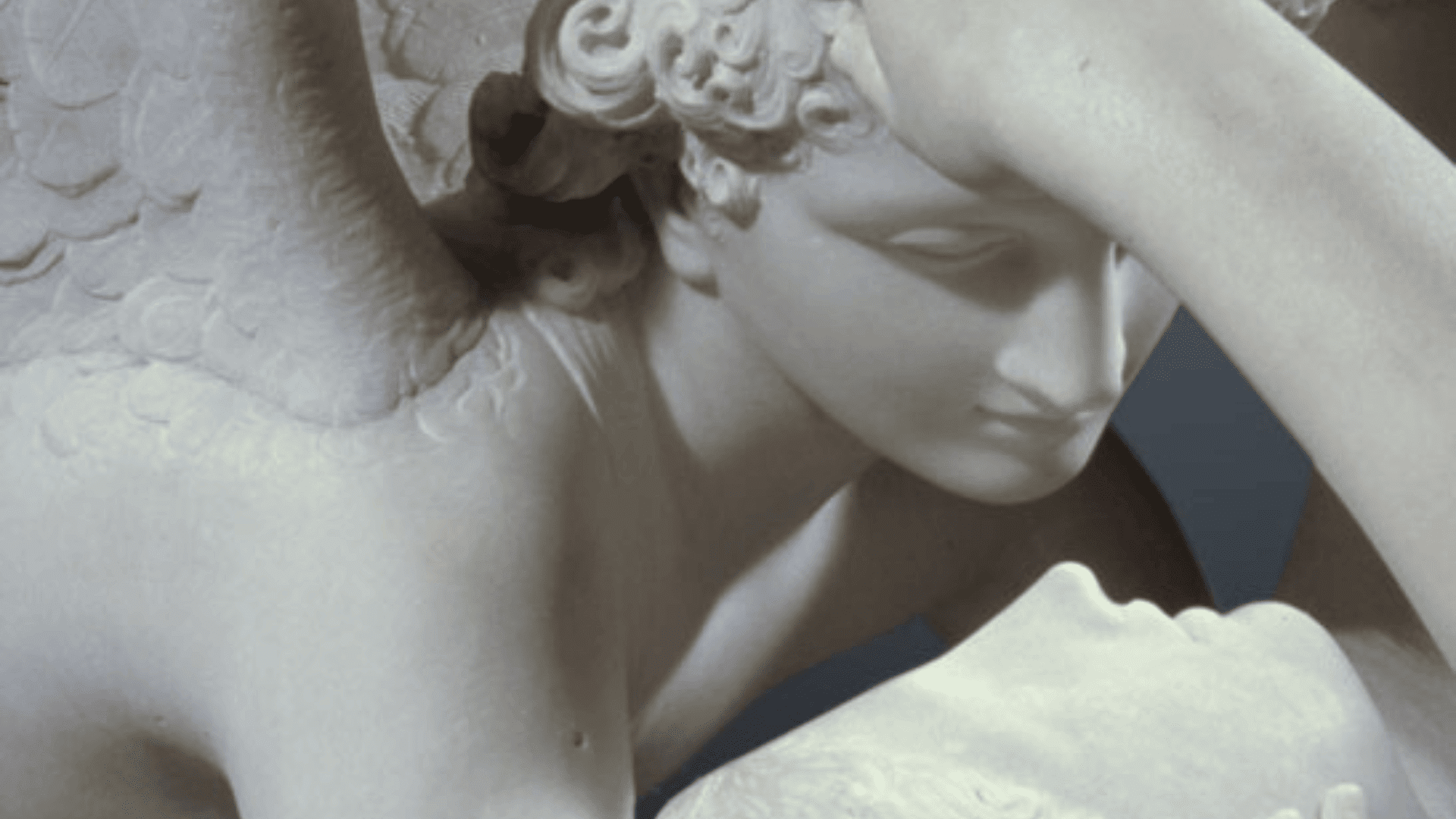
The piece is displayed with space around it, as one of the most iconic aspects of this piece is that it’s designed to be appreciated from multiple angles. For example, the legend depicted in the piece describes a small flask, a detail that was included in Canova’s piece but can only be seen from certain vantage points.
Researchers believe the Louvre piece was carved between 1787 and 1793, as the item was sold around the turn of the century. It has remained a part of the Louvre’s collection since 1824. Moving away from the Baroque era, the piece uses ideal proportion and balance while innovating around the composition and angle.
Symbolically, the sculpture represents the triumph of love over death, a theme that is emulated by the tenderness, rather than forcefulness, displayed by Cupid as he revives Psyche.
 Read Exclusive Stories
 Bookmark & Save Articles For Later