Between unpredictable weather, crop diseases, and the shrinking amount of land available to grow cocoa trees, the price of your favorite treat is under constant pressure. A company called Celleste Bio created the world’s first milk chocolate bars using cocoa butter grown in a lab.
Instead of planting trees and waiting years for a harvest, Celleste uses “cell suspension culture technology.” The process takes cells from a single cocoa bean and grows them in a controlled environment. The result is cocoa butter that is bio-identical to the stuff grown on a farm.
A Key, Lab-Grown Ingredient For Chocolate
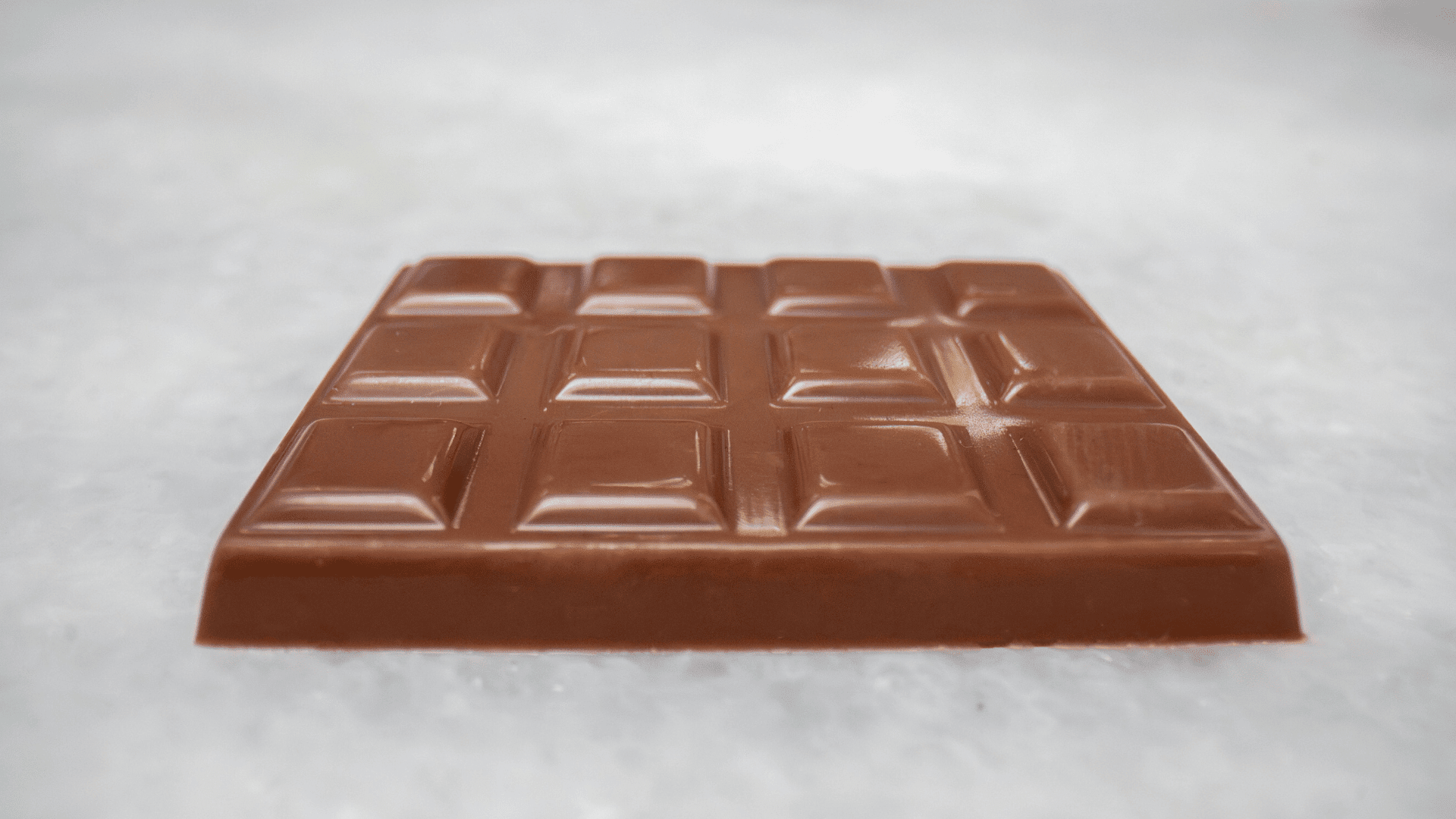
Celleste teamed up with Mondelēz International and produced nearly a dozen chocolate bars to see if the new ingredient could handle the standard manufacturing process. The bars met all the usual requirements for texture and how the chocolate melts in your mouth.
“Celleste launched in 2022 with the mission to secure a sustainable future for the global chocolate industry amidst increasing supply chain pressures of climate change, disease, traceability and geopolitical instability,” said Michal Beressi Golomb, CEO, Celleste Bio. “In three years we’ve made unprecedented progress to meet this formidable scientific challenge.”
Advertisement
Golomb added, “We’ve validated our ingredients as drop-in replacements, created an operational R&D pilot facility to scale up our volumes and now proven our cocoa butter performs identically to conventional cocoa, clearing the next phase to commercial scale.”
Fewer Trees Needed
Traditional cocoa farming requires a lot of land and water. Celleste claims it can produce one ton of cocoa butter a year using a 1,000-liter bioreactor. To get that same amount from a farm, you would need about a hectare of trees.
“Building a resilient supply chain means being able to produce at commercial volumes while offsetting disruptions caused by climate change, deforestation and resource scarcity,” said Hanne Volpin, PhD, Celleste’s Chief Technical and Scientific Officer. “We are on track to produce 1 ton of cocoa butter annually in a 1000 liter bioreactor from a single bean – which would otherwise require about a hectare of cocoa trees.”
Volpin continued, “To that end, we’ve curated a very robust bank of multiple cocoa bean varietals we can use to grow, test and scale material without ever having to cut down a single tree in the rainforest.”
The company plans to scale up to market-ready amounts within the next two years.
 Read Exclusive Stories
 Bookmark & Save Articles For Later