Researchers have found a way to turn leather scraps into high-tech energy storage using a simple laser. This new method could make wearable gadgets more sustainable by replacing plastic parts with a natural material we’ve used for centuries.
By using a CO2 laser, the team can “write” conductive patterns directly onto vegetable-tanned leather. The heat from the laser turns the surface of the leather into carbon, which can then hold an electrical charge. This turns a piece of leather into a microsupercapacitor, or a tiny device that stores energy and helps keep power flowing smoothly.
From Plastic to Leather
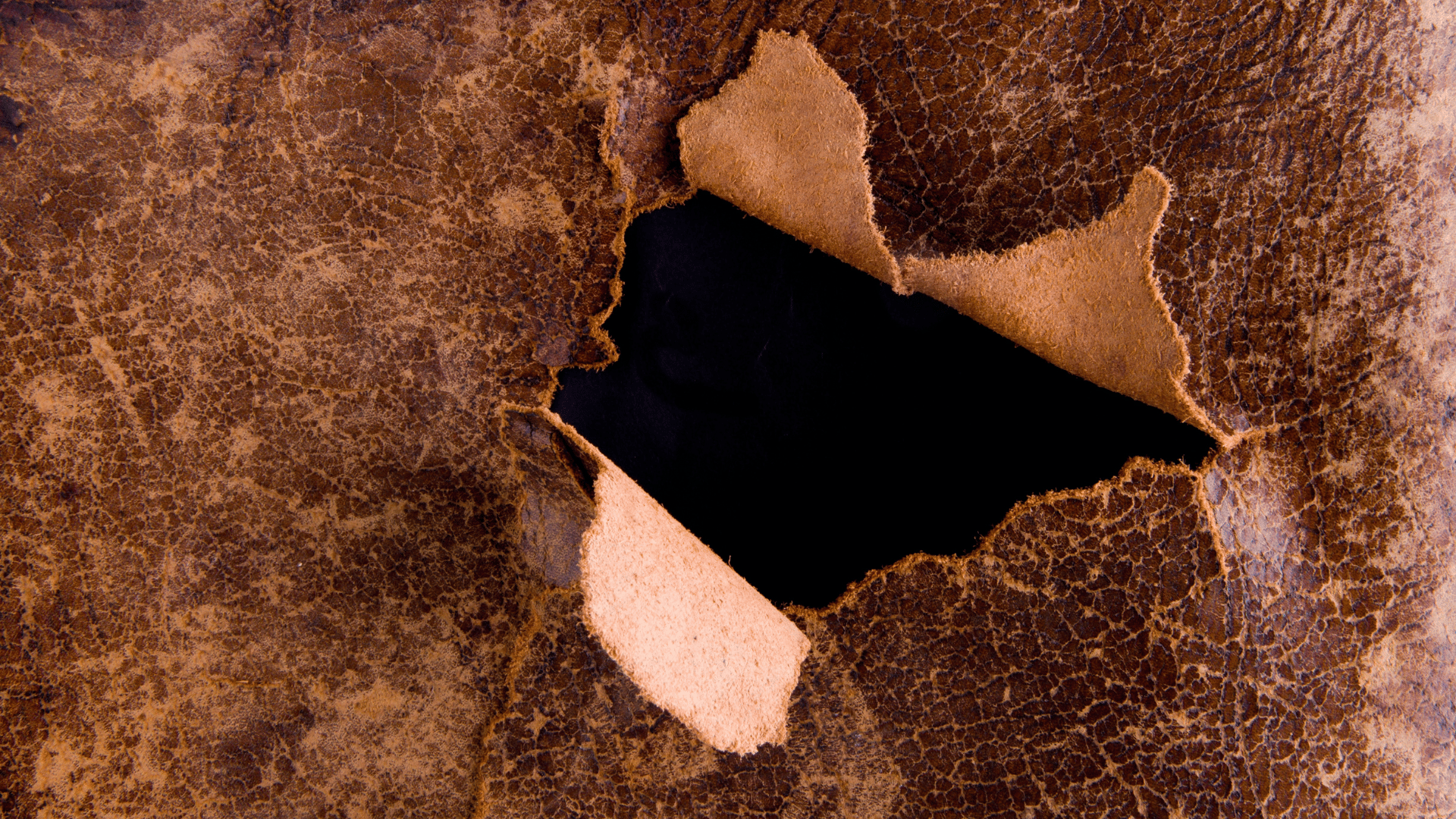
Most of our current wearables depend on synthetic materials and a lot of chemicals to make them work. This new approach uses leather processed with plant extracts, a single-step process that doesn’t need a cleanroom or harsh chemicals.
Advertisement
“Using a laser, we directly write conductive patterns onto vegetable tanned leather to create microsupercapacitors that can store energy and help smooth electrical signals so that wearable electronics run more reliably,” said research team leader Dong-Dong Han from Jilin University. “Unlike conventional devices that rely on synthetic materials and complex, chemical-heavy processes, our approach uses a natural, skin-friendly material and a one-step fabrication method.”
Durable Wearables
Because leather is soft and easy to bend, these power-storing patterns can be shaped into almost anything. During their tests, the researchers even made patterns shaped like tigers and dragons. However, the real benefit is how this fits into things we might wear daily.
“The microsupercapacitors are well-suited for flexible and comfortable wearable electronics because they are built on soft materials and can be shaped freely and integrated directly into products,” said Han. “For example, a smartwatch band could store and regulate power instead of relying on a rigid battery, making the device thinner and more comfortable. The technology could also be used in skin-mounted sensors, smart clothing or other everyday accessories that power small electronics.”
The team is still working on making these devices more durable against things like sweat and constant bending.
 Read Exclusive Stories
 Bookmark & Save Articles For Later