For people living with sickle cell disease, daily life often involves a cycle of severe pain and the constant risk of organ damage. Because the body produces misshapen, sickle-shaped blood cells that get stuck in vessels, the condition is notoriously hard to treat. However, new results from a clinical trial suggest that a fix might finally be here.
Researchers recently published findings in the New England Journal of Medicine regarding a treatment called “reni-cel.” It’s a one-time therapy that uses gene-editing technology to fix a patient’s own stem cells. In the trial, 27 out of 28 patients stayed completely free of painful sickle cell crises after the procedure. Doctors are calling the result a “functional cure.”
A Functional Cure For Sickle Cell Disease
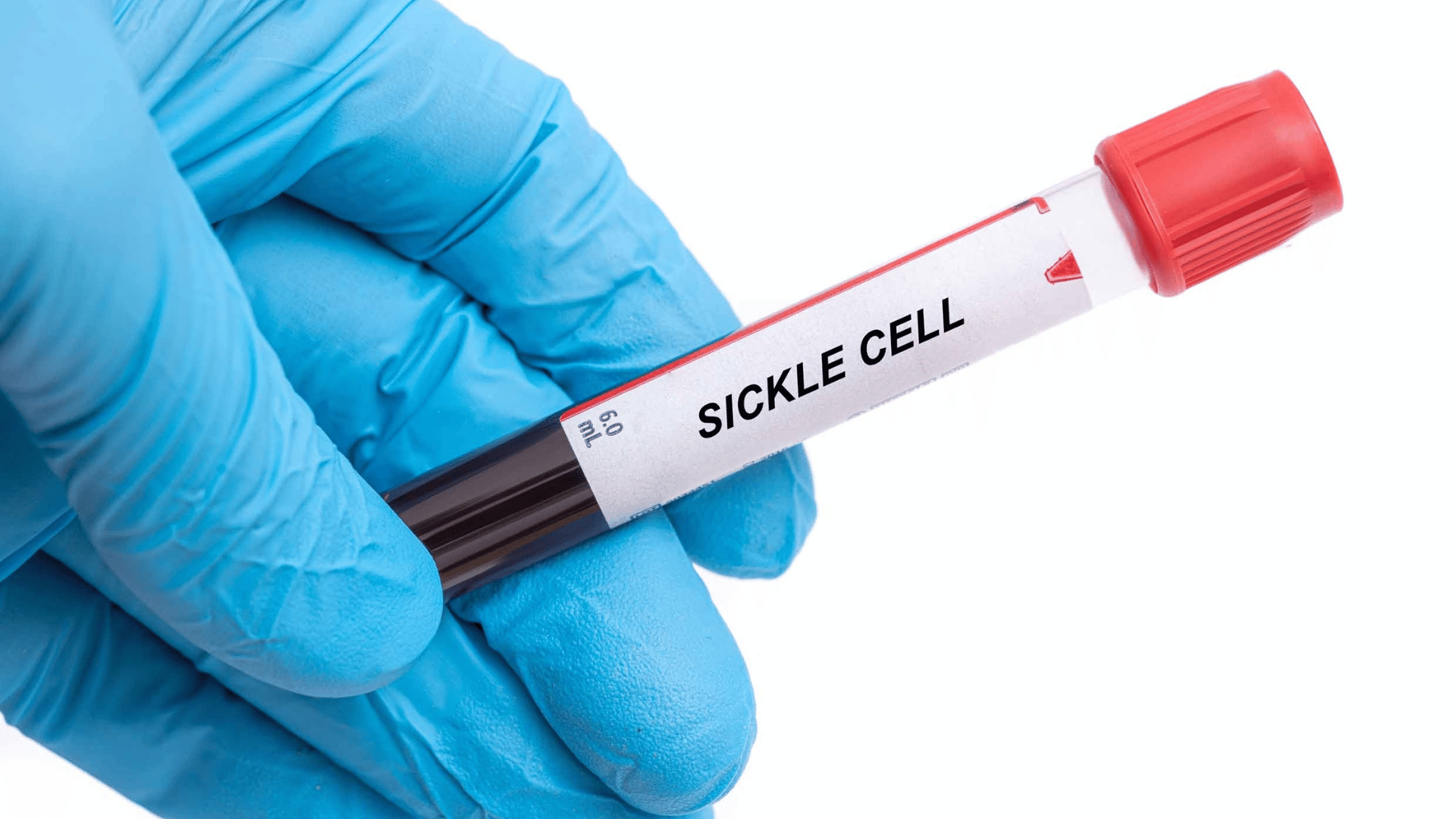
First, doctors collect a patient’s stem cells and use CRISPR technology to edit them. This edit tells the body to produce more fetal hemoglobin, which is a type of protein that keeps red blood cells round and flexible so they don’t clog up the bloodstream.
Advertisement
After the cells are edited, the patient goes through chemotherapy to clear out their old bone marrow. Then, the repaired cells are infused back into the body. It takes about a month for the new blood cells to settle in, but the results stick. Within six months, patients saw their hemoglobin levels jump from a low average of 9.8 g/dL to 13.8 g/dL—levels very close to those of someone without the disease.
Gene-Editing Treatment
Current treatments usually require a bone marrow transplant from a donor, often a sibling. Those come with a high risk of the body rejecting the new cells. Because this new method uses the patient’s own DNA, that risk basically disappears.
“We have seen that a benefit of this CRISPR/Cas12a gene-editing technology is that there is no rejection, so it’s different from traditional bone marrow transplants, which is standard treatment for sickle cell patients currently,” said Rabi Hanna, M.D., lead author and chair of the Pediatric Hematology – Oncology & Blood and Bone Marrow Transplant Division at Cleveland Clinic Children’s. “Our aim has been to achieve a functional cure to help prevent any future damage caused by sickle cell disease, and these latest results are compelling.”
 Read Exclusive Stories
 Bookmark & Save Articles For Later