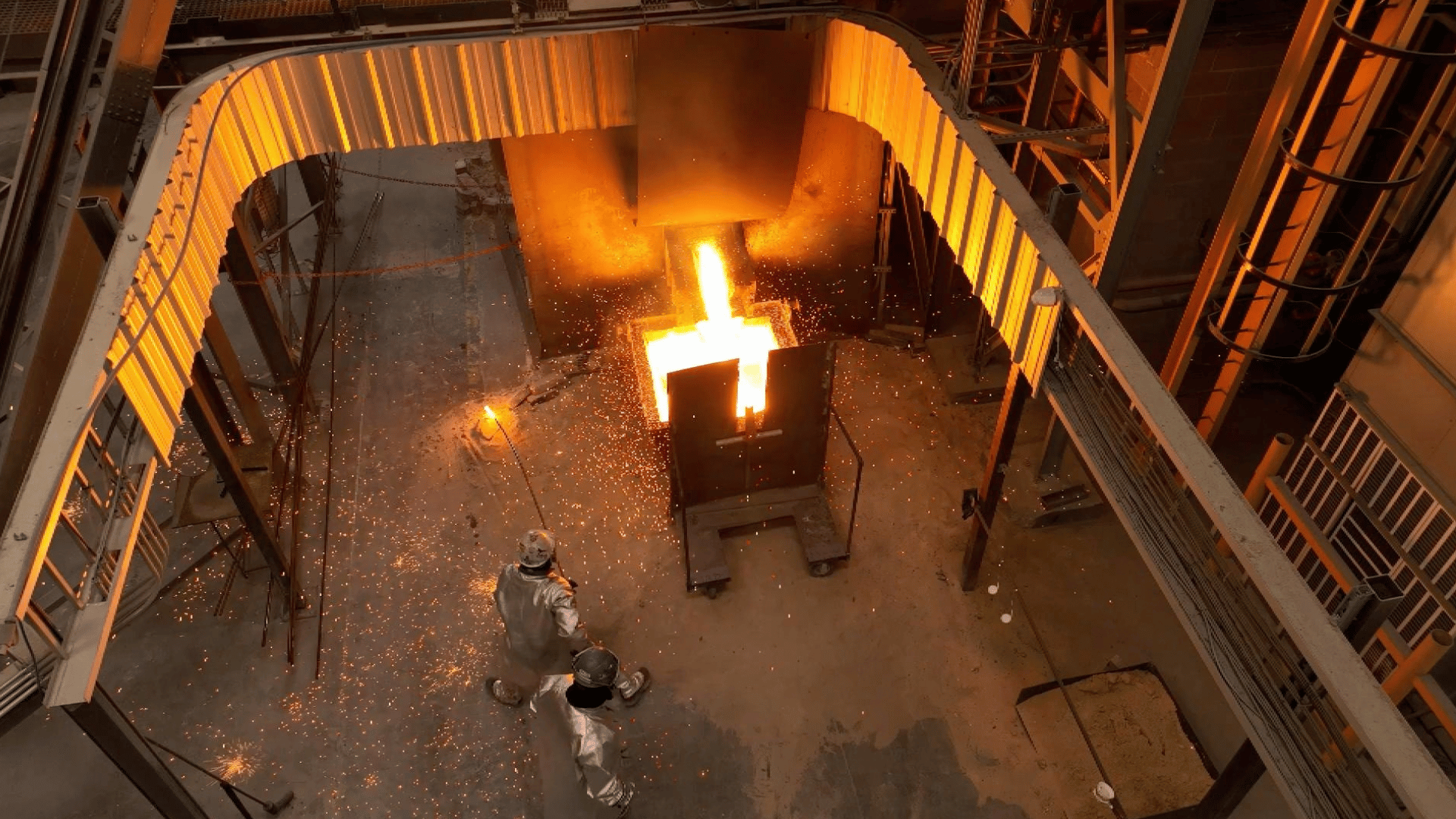
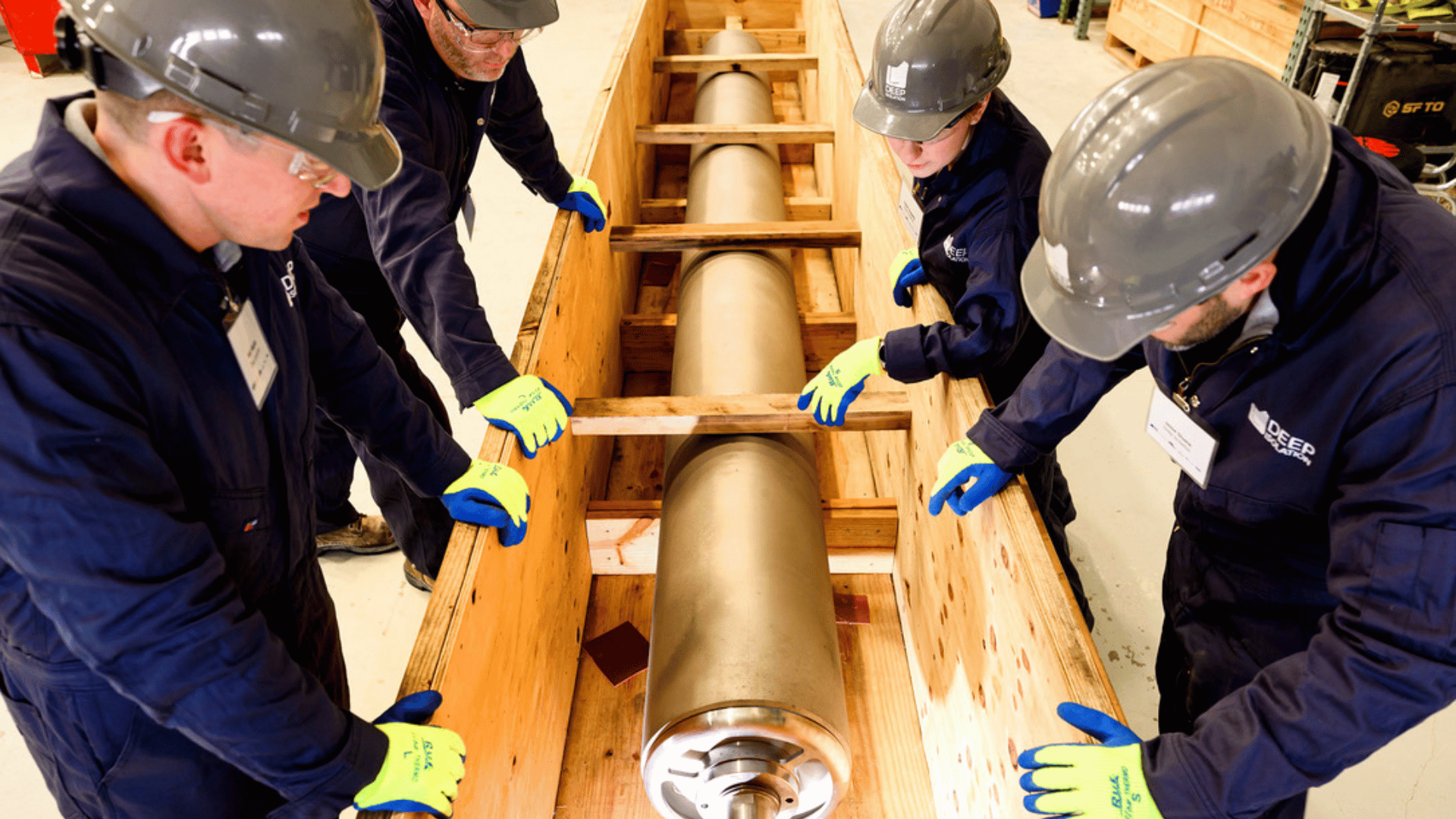
Nuclear energy is a big part of the conversation about clean power, but what do we do with the waste has always been a lingering question. A company called Deep Isolation has been working on a way to tuck that leftover material safely away.
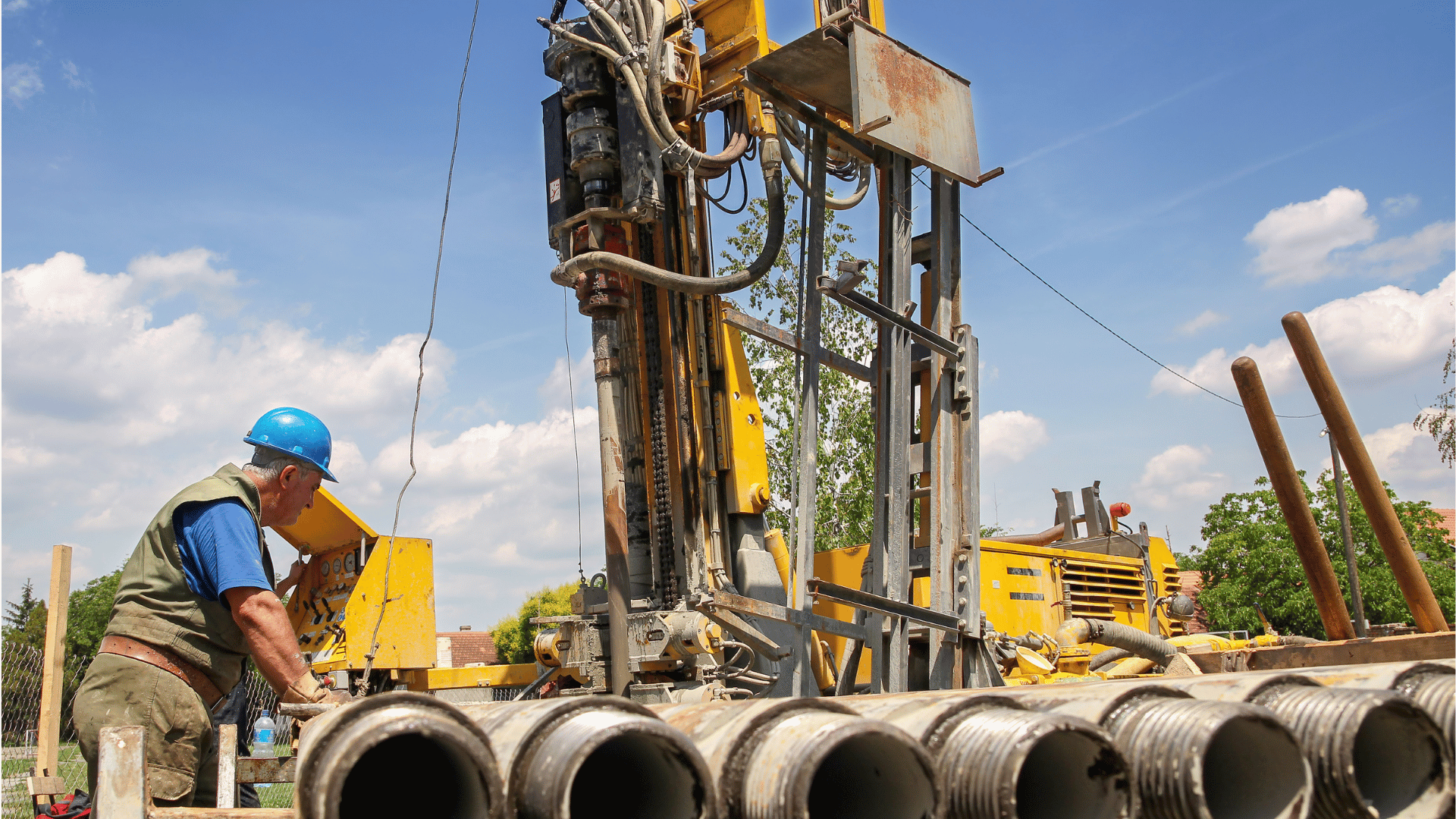
Instead of building massive, expensive vaults, they use drilling technology to place waste into deep boreholes. These are narrow holes drilled miles into the earth, far below any drinking water. The idea is to use the natural stability of rock layers, like shale or granite, to keep the material isolated for good.
Recently, the company finished a project with Oklo Inc. to see if this method works for recycled fuel. They used physics-based modeling to test how waste from a “metal fuel cycle,” basically a way to recycle nuclear fuel, would hold up deep underground.
Burying Nuclear Waste Shows Positive Results
Advertisement
The study looked at how this waste behaved in different types of rock. The results were actually better than the team’s original safety targets. For example, the radiation exposure levels were several orders of magnitude below the strict safety standards they were aiming for. This means that even if we start recycling more nuclear fuel, we already have a technical path to get rid of the leftovers safely.
Right now, U.S. law would need to be updated to officially authorize these types of borehole repositories for high-level waste. However, the data shows that the technology is ready. It’s a bit like having the key to a lock; we just need the permission to turn it.
“This collaboration with Oklo represents an important step forward for the advanced reactor ecosystem and our deep borehole disposal solutions for nuclear waste,” said Jesse Sloane, Executive Vice President of Engineering, Deep Isolation. “By pairing innovation in fuel recycling with advanced deep geologic disposal technology, we are helping build the technical foundation for a fully integrated, sustainable nuclear future.”
This project was part of a program funded by ARPA-E, a government agency that supports high-potential energy tech.
 Read Exclusive Stories
 Bookmark & Save Articles For Later