Batteries are the biggest question mark for electric vehicles. Most people wonder what happens to them when a car hits the end of the road. Do they just get tossed into a dumpster and then sit in a landfill? Well, Cox Automotive just hit a pretty big milestone that proves there’s a better way to handle the waste.
Their team just announced they’ve processed over 10 million pounds of something called “black mass.” If you aren’t a battery scientist, black mass is basically the crushed-up remains of old batteries. It’s rich in valuable minerals, including lithium, cobalt, and nickel. Instead of throwing these materials away, Cox is pulling them out to make new batteries. The timing is important because we’re about to see a lot more used EVs on the road. In 2025, EVs accounted for only about 5% of cars coming off lease. By 2028, that number is expected to jump to nearly 23%.
Simply put, you can’t just toss an EV battery in the trash. They’re heavy, tricky to move, and a fire hazard if not handled properly. As more of these cars age, we need a system that doesn’t just treat them as junk.
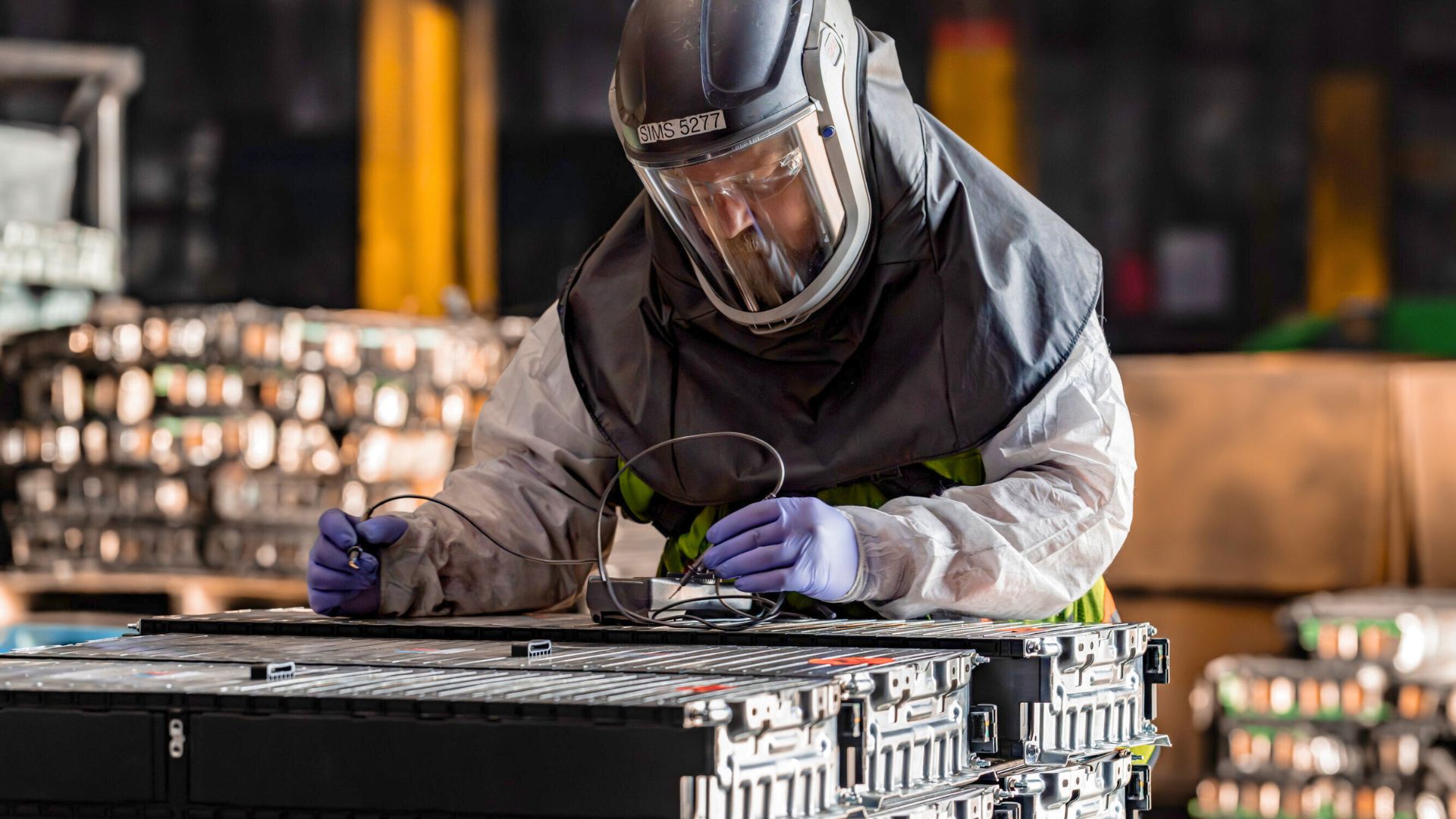
Cox isn’t just shredding everything that comes through the door. Their first goal is actually to keep the battery alive. They analyze whether a battery can be repaired, refurbished, or used for something else, like backup power storage, before they decide to recycle it.
Advertisement
When a battery is truly dead, it goes to their facility in Oklahoma City. Most recycling plants use a lot of water or harsh chemicals to extract the minerals. Cox does it differently. They use a “dry” process that uses air and mechanical shredding to separate the parts. It’s a lot cleaner, and they’re able to recover about 94% of the materials.
It’s easy to talk about “sustainability” as a vague idea, but this is a practical example of it actually working. By figuring out how to safely disassemble these batteries and reuse their guts, Cox is making the whole EV transition feel a bit more realistic.
It isn’t just about being “green.” It’s about building the actual infrastructure we need so that when your EV finally dies in ten or fifteen years, there’s a plan for it that doesn’t involve a hole in the ground.
SOURCE: Cox Automotive / PR Newsire
 Read Exclusive Stories
 Bookmark & Save Articles For Later