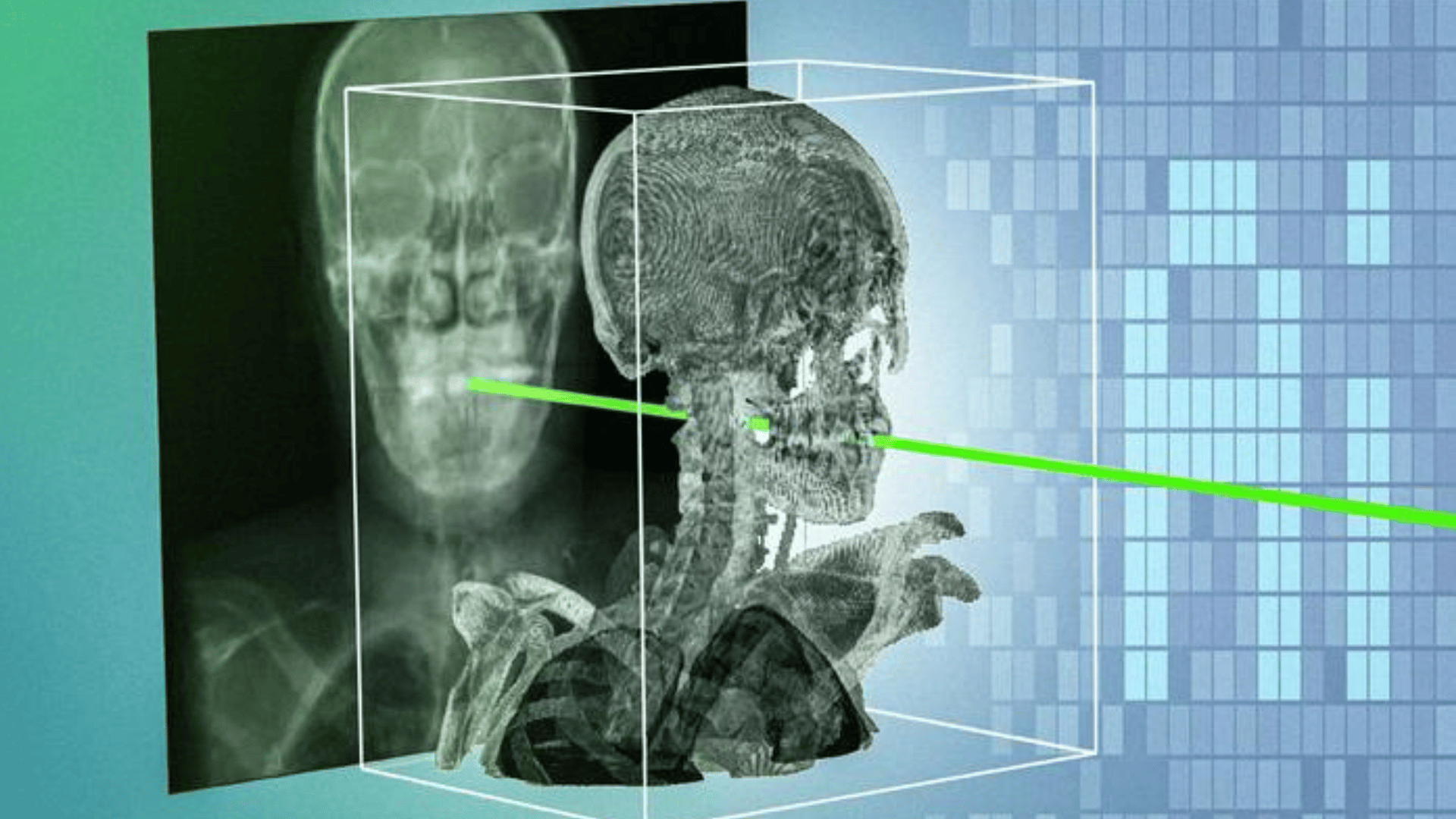
Bone surgery often involves surgical saws, drills, and chisels, which work, but they use a lot of physical pressure. Researchers at the University of Basel want to swap those heavy tools for lasers. They are working on surgical lasers that can cut bone with extreme precision, which would make fitting 3D-printed joint implants much easier.
While lasers work great on soft tissue, they struggle with bone. Usually, they can’t cut deeper than two or three centimeters. That isn’t deep enough for most major surgeries.
Swapping Tools For Lasers
The problem isn’t the power of the laser, but the shape of the beam itself. Most lasers are very bright in the middle and fade out toward the edges. This is called a Gaussian profile. Because the edges are weak, the sides of the cut end up absorbing the energy before the laser can get deep into the bone.
To fix this, Dr. Ferda Canbaz and her team changed the beam’s shape. They flattened the top so the energy is spread out evenly across the whole surface, then drops off sharply at the edges. They call this a “top hat” profile.
Advertisement
“Increasing the energy of the laser beam would not be a good solution. This could char the bone and have a negative impact on the healing process,” explained Ferda Canbaz. “That’s why we changed the shape of the laser, or rather its profile.”
Deeper and Faster
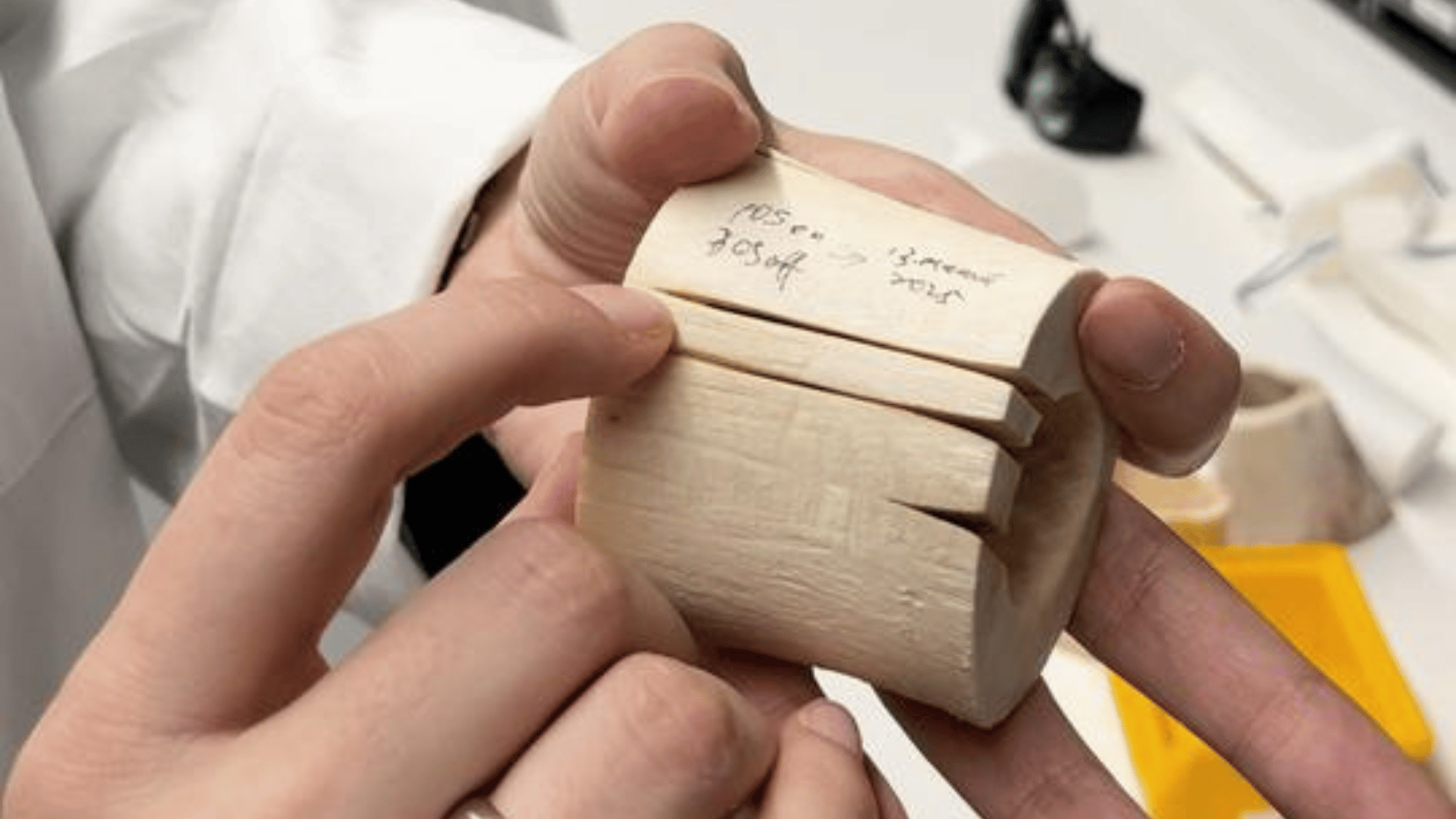
The team tested this new shape on bovine bones, and the results were positive. The old laser style stopped at 2.6 centimeters, but the new “top hat” beam reached 4.4 centimeters.
“Because the energy is transmitted more evenly, the laser cuts more efficiently and faster,” said doctoral student Mingyi Liu. Because the energy isn’t getting “soaked up” by the walls of the cut, it stays strong enough to keep pushing deeper.
Right now, a traditional surgical saw is still about 20 times faster than the laser. The team is now looking at how to speed things up even more and how to make sure the laser stays safe when working around sensitive living tissue.
 Read Exclusive Stories
 Bookmark & Save Articles For Later