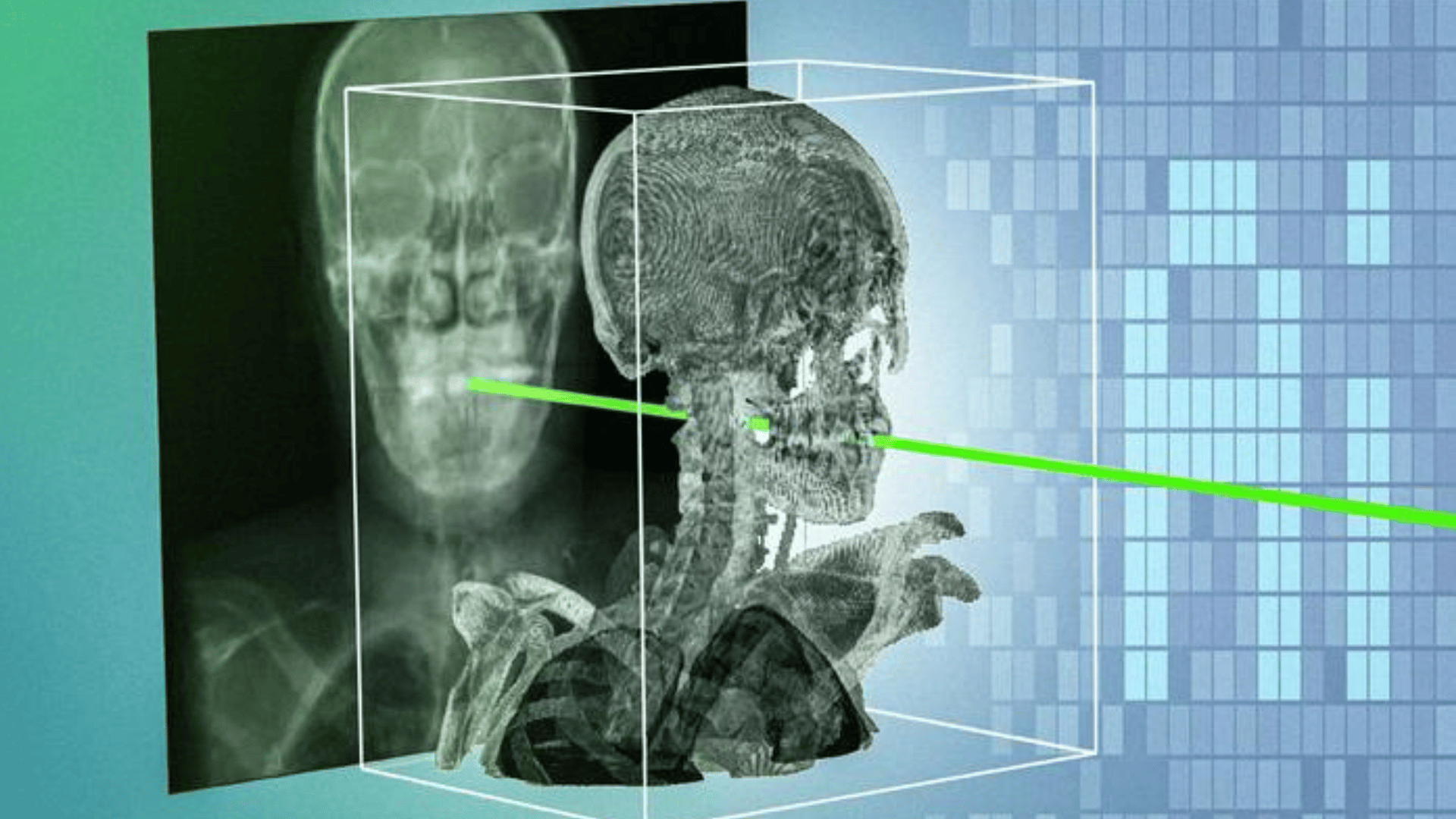
Experts have spent years speculating about the origins of a rock found in the Dutch city of Heerlen more than one hundred years ago. The ancient limestone rock contained a number of distinct straight lines, but what they represented remained unknown. However, thanks to AI, researchers now believe the rock represented the main part of a 2-player game that was played 1,600 years ago.
Ancient Roman Board Game
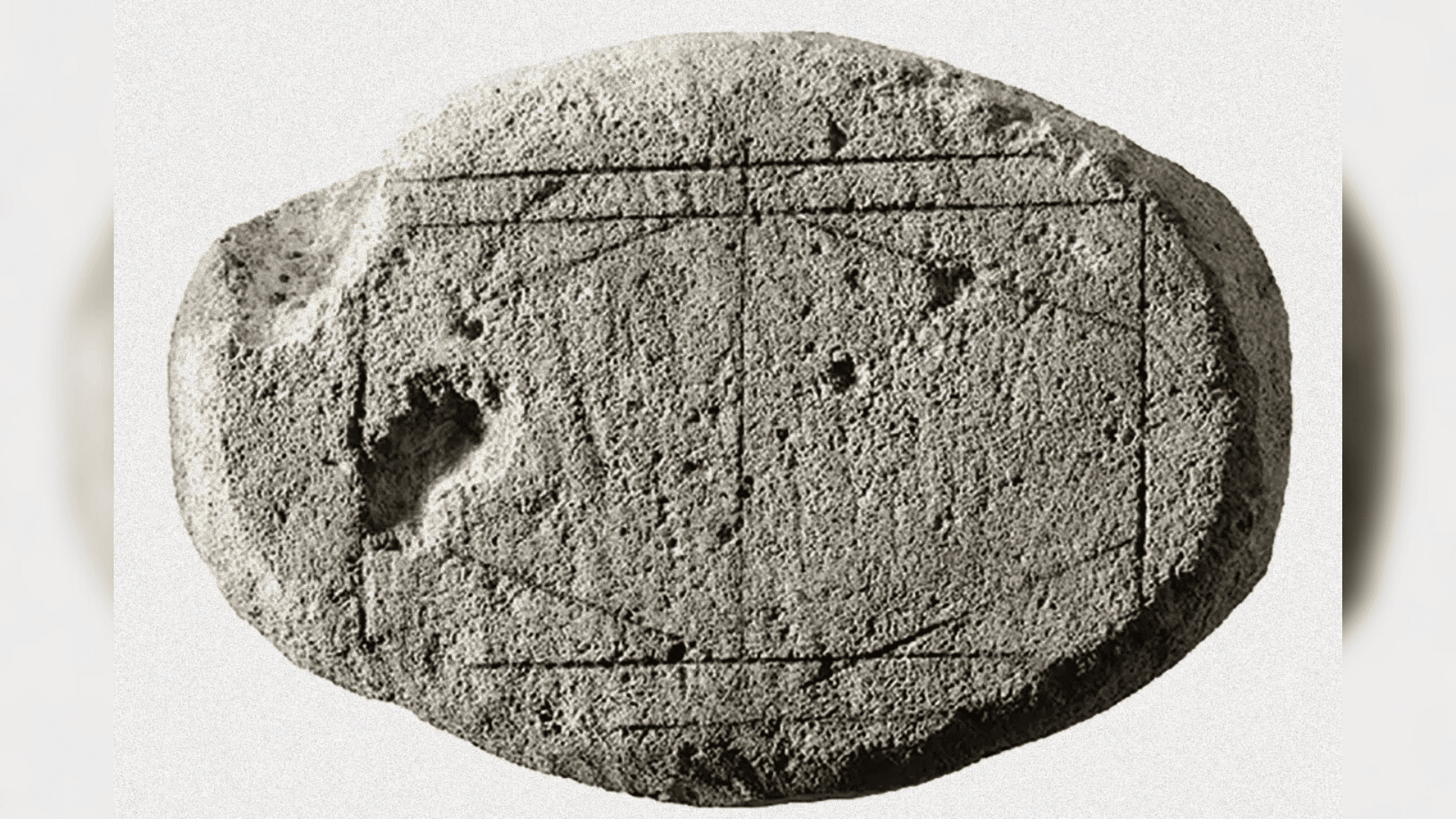
Found in the southeast Netherlands, the rock measures 21 by 14.5 centimeters and was found in the late 19th or early 20th century. During Roman times, the site was an important settlement called Coriovallum.
A rectangle is carved into the rock, containing four diagonal lines and one straight line. Archaeologist Walter Crist came across the stone in a local museum in 2020 and was immediately fascinated.
“The stone’s appearance, together with the wear, strongly suggested a game, but I didn’t recognize the pattern from other ancient games I know,” he explained.
Advertisement
After viewing the stone under a microscope, Crist began working with a team of specialists to produce detailed 3D scans of the rock.
“The scans make the traces on the stone much clearer,” he explained. “Some of those traces are a fraction of a millimeter deeper than others, meaning they were used more intensively.
“We also see that the edges of the stone are neatly finished, which indicates that this is a finished product and not a stone that still needs further working.”
The team used artificial intelligence to identify the board game by comparing the lines with the rules of other known board games from that time period. Based on their findings, they believe the stone was used for so-called blocking games or board games in which the goal is to prevent the opponent from moving.
Though this type of board game was previously believed to originate in the Middle Ages, the stone has led researchers to believe that this type of game was played several centuries earlier than previously thought.
 Read Exclusive Stories
 Bookmark & Save Articles For Later