Booking.com’s latest Travel Predictions report reveals the practices that support the planet in 2026. The new study, based on approximately 30,000 travelers across 33 countries, shows how tourism trends are instinctively leaning into sustainable practices.
Nature-Based Travel

Over half of travelers (52%) say they would consider moth or butterfly watching, 74% would try birdwatching or fishing, and 60% would try foraging stays. Rather than timing these trips according to work or school schedules, these types of adventures must be planned to match nature’s rhythms, such as blooms, migrations, or peak breeding cycles.
For example, witnessing fall’s wildlife events in the U.S. or Africa’s Great migration peak are only possible during specific periods. This trend encourages travelers to be passive spectators, particularly in regard to ethical wildlife viewing and conservation-based tourism.
Shifting Spending

Advertisement
Two-thirds of travelers (65%) say they would buy design-led kitchenware or edible keepsakes, from hand-painted spice jars to decorative tins of olive oil. A quarter (25%) also say edible souvenirs help them relive a destination each time they cook.
This trend represents a shift in spending from mass-produced, imported goods toward locally made goods. Purchasing local or regional souvenirs, and particularly culinary souvenirs, supports local artisans and small producers, while minimizing impact because they likely have low transport emissions, minimal waste, and may use recyclable or reusable materials. This also ensures that money is kept within a community, helping to preserve local craft traditions.
Road Trips Rewired
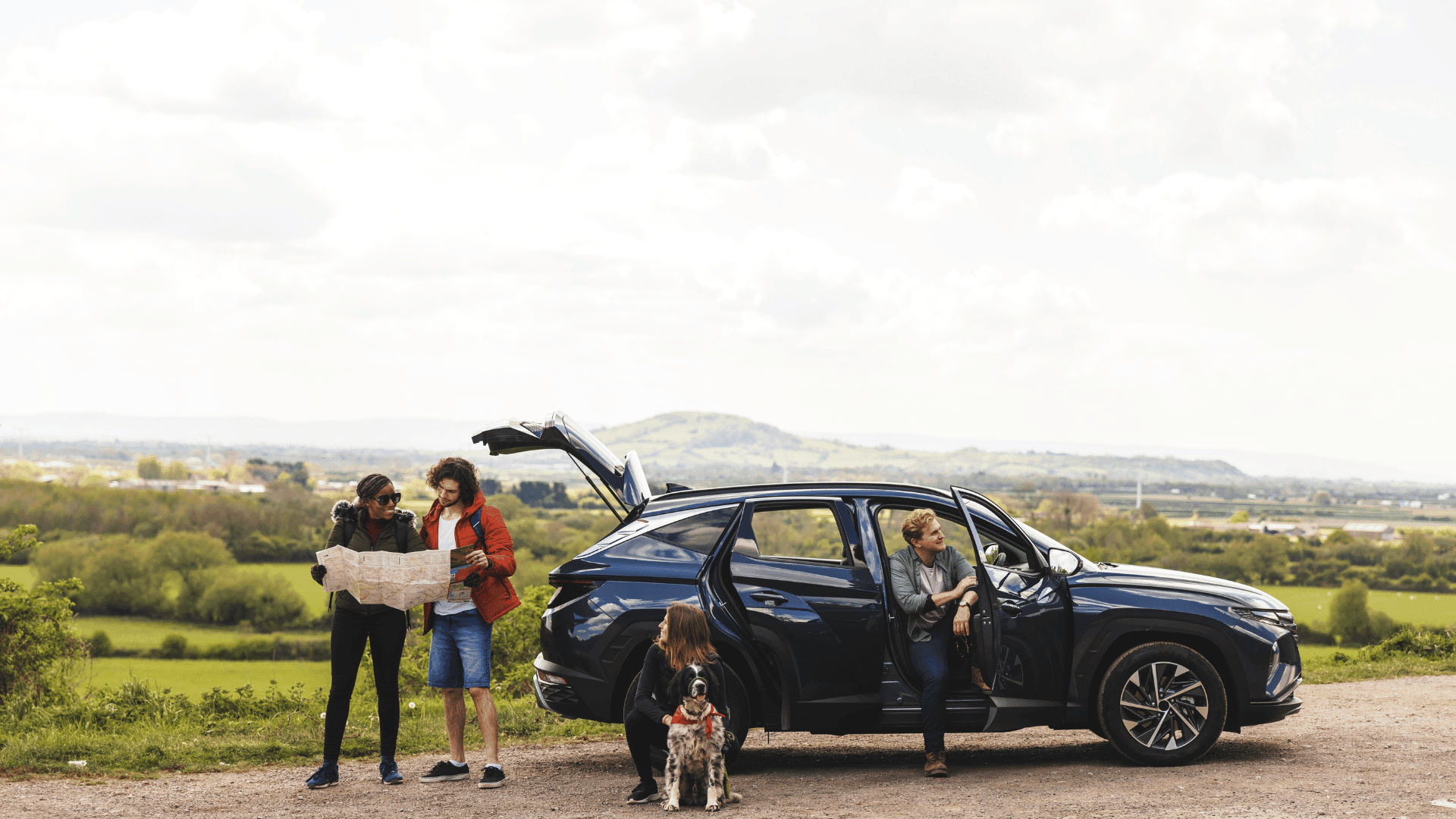
Road trip culture is shifting from individual planning to those specifically seeking out a ‘meet up’ with friends or new acquaintances. 82% of U.S. travelers, for example, are open to carpooling on vacation, and nearly half (47%) would use an app to connect with others on the same route. Among Gen Z, 62% would rely on self-driving vehicles or AI to plan scenic, off-beat routes.
With the recent shift towards EVs, which hit a new sales record in the U.S. in the first half of 2025, the carpooling road trip trend could simultaneously reduce emissions and traffic congestion.