The world’s oceans hold about 4.5 billion metric tons of dissolved uranium. Right now, the United States is trying to expand its domestic nuclear fuel supply and rely less on foreign sources. According to SuperCritical Materials Corp., extracting uranium from the ocean makes a lot of sense.
SuperCritical Materials has an exclusive license for a special adsorbent material that pulls uranium right out of seawater. However, having the material is only half the battle. Researchers must figure out how to put the material in the rough ocean and get it back out without the equipment breaking.
SuperCritical is partnering with the University of Michigan to come up with a solution.
Exploring the Ocean for Uranium
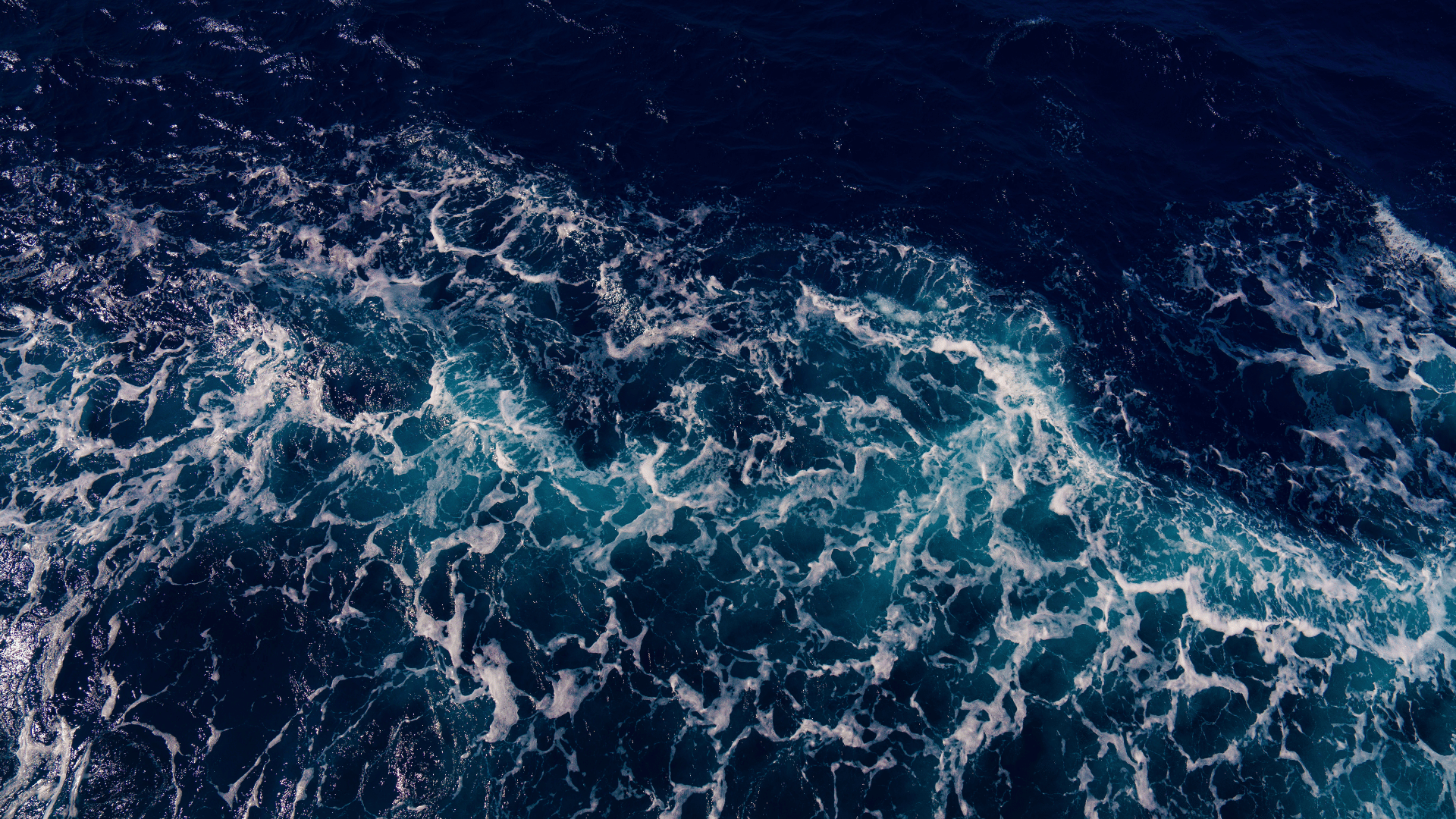
The new research is led by Dr. Maha Haji, an assistant professor of mechanical engineering. During her previous work at MIT, she designed and tested early systems for doing exactly this kind of ocean extraction.
Her team at the University of Michigan will use the Aaron Friedman Marine Hydrodynamics Laboratory to conduct tests. The lab has large towing and wind-wave tanks that simulate ocean currents, enabling researchers to see how the equipment handles marine conditions before they spend time and money trying it in the ocean.
Advertisement
“The question is no longer simply whether uranium can be extracted from seawater. The question is whether the adsorbent can be deployed, exposed, and retrieved efficiently and repeatedly at an industrial scale,” Alexander Canon Bryan, President and CEO of SuperCritical, explained. “Dr. Haji and the University of Michigan bring exceptional offshore engineering expertise and marine testing capabilities to that challenge.”
The Mechanical Challenge
The basic process works by allowing seawater to flow over the material, which then adsorbs the dissolved uranium. After a set time, the material is pulled up and processed. But first, the research team has to figure out exactly how to pack the material, and they need to build prototypes that can drop it in and pull it up repeatedly.
“Extracting critical materials from the ocean requires more than a high-performing absorbent. It requires an offshore system that can operate efficiently, reliably, and responsibly under demanding marine conditions,” said Dr. Haji. “This collaboration combines SuperCritical’s technology and development program with the University of Michigan’s expertise in offshore system design, hydrodynamics, and experimental validation. Together, we are working to develop part of the fuel layer needed to support clean, firm energy through the next century.”
Testing in the wave tanks will help the team see how the material withstands physical stress. If all goes well, these tests will help inform future offshore pilot programs.
“This work addresses the mechanical interface between the adsorbent and the ocean,” Bryan said. “It is a critical step in moving from promising laboratory performance toward a repeatable offshore production system.”
 Read Exclusive Stories
 Bookmark & Save Articles For Later