I bet you have been there. You are at the gas pump. You are pumping fuel into your vehicle and asking yourself, “Is that actually a gallon of fuel that I am pumping into my vehicle?” And that is a very valid question. What many consumers don’t realize is that there are technologies and verification measures in place to ensure that the fuel you purchase actually ends up in your tank.
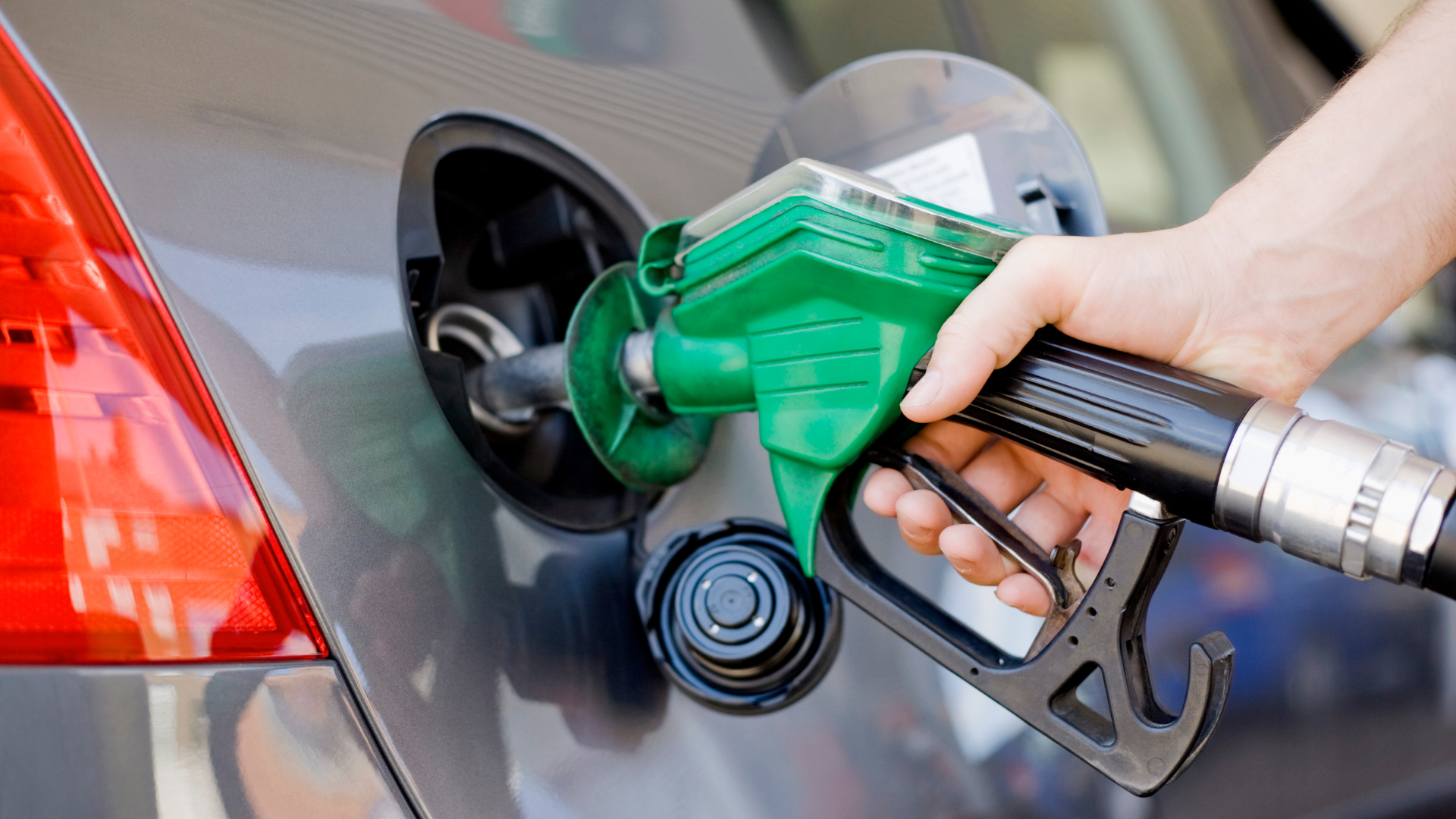
How the Gas Pump Works
As you pump fuel into your vehicle, the gas pump draws it from an underground storage tank. But how does the pump determine how much fuel is being transferred to your vehicle?
Inside the gas pump is a device known as a positive displacement meter. As fuel flows through this meter, it measures the volume. This volume is then converted into gallons, and the prices are displayed on the pump.
There is also a reason natural gas is stored in underground storage tanks. The volume of natural gas varies according to temperature. Gasoline expands when it gets too hot. This means that one gallon of hot gasoline has less energy than one gallon of cold gasoline. By storing gasoline in underground storage tanks, the temperature can be regulated to approximately 60 degrees Fahrenheit. This is the norm in the petroleum industry. So even on one of the hottest summer days, you will still receive a relatively high amount of energy per gallon.
Testing For Accuracy
Advertisement
These meters are tested for accuracy by both state and local authorities. At least once a year, an inspector will come to your local gas station with a highly accurate, certified five-gallon measuring device. This measuring device is known as a liquid volume prover.’
An inspector arrives with a shiny five-gallon jug. The gas is pumped into the jug at the pump. The amount of gas in the jug is then compared to the number on the pump. If they match, the station receives an approval sticker. If they do not match, the pump must be corrected prior to any additional fuel purchases. This system is quite simple and allows a customer to approach any pump with confidence that they will receive the amount of fuel they paid for and that there will be no discrepancies for either the customer or the fuel station.
Setting The Standard
Inspections are carried out by state officials. However, those officials receive the standards from the National Institute of Standards and Technology (NIST). NIST does not perform inspections on fuel pumps, but does provide training to inspectors and create the standards documentation.
Prior to NIST’s arrival in 1901, purchasing a gallon was somewhat risky. There were eight types of gallons in use. Depending on the product being purchased (ale, wine, etc.), you could receive a different amount per gallon. Today, thanks to NIST, there is a standard of 231 cubic inches for one gallon. These types of standards are small but still provide a great deal of benefit to everyone involved.
 Read Exclusive Stories
 Bookmark & Save Articles For Later