The push for electric vehicles is still alive and well, but runs into a power problem. While lithium-ion batteries run our world, they have limits. That is why researchers are looking at lithium-metal batteries that can hold more power and last longer. A big downside, though, is the concerning habit of growing needle-like crystals called “dendrites” during charging. These needles can poke through the battery, causing short circuits or even fires.
However, a research team in Korea recently found a way to stop those needles from forming.
Smart Traffic System for Ions
Teams from KAIST and Korea University discovered that adding a substance called thiophene to the battery’s liquid electrolyte creates a “smart” protective layer. Usually, the interface between the battery’s parts is unstable, which is where those dangerous crystals start to grow.
This new layer is different because its electronic structure rearranges itself. As lithium ions move, the layer shifts its internal charge to create the best possible path. This keeps the ions moving smoothly along the surface instead of piling up into jagged needles.
Fast Charging Battery With No Risk
Advertisement
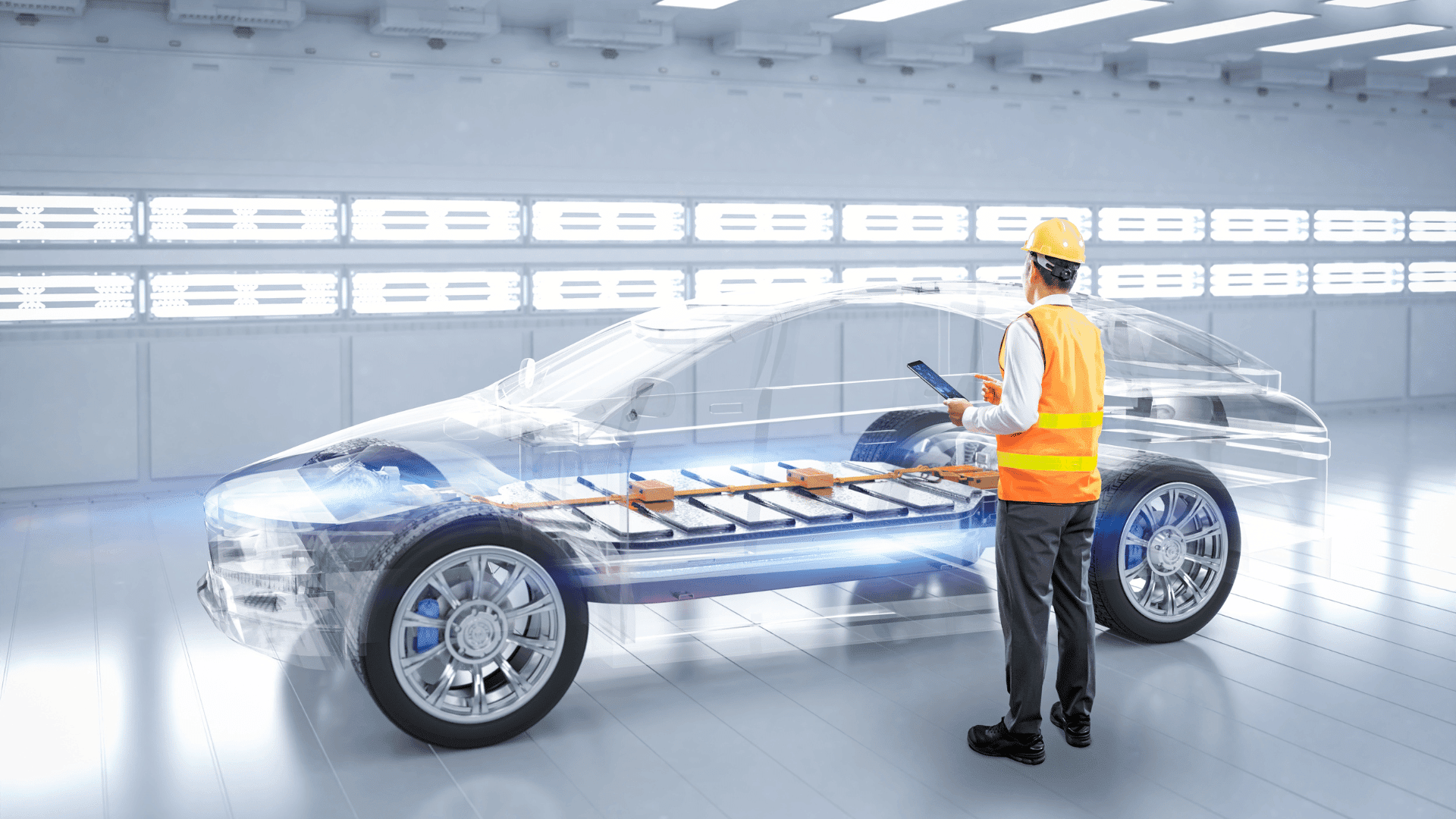
The team used a special microscope to watch the battery at a nanometer scale and saw that the lithium stayed flat and uniform even under high pressure.
The results are a big deal for anyone tired of waiting at charging stations. This technology allows a battery to charge in just 12 minutes. It also handles high-current levels, about double what is usually considered “high” in battery research, which is what happens when you floor the accelerator in an EV.
“This research is not simply a material improvement but an achievement that solves the fundamental problem of batteries by designing the electronic structure,” said Professor Nam-Soon Choi. “It will become a core foundational technology for next-generation electric vehicle batteries that simultaneously achieve fast charging and long lifespan.”
The best part is that it works with most of the materials used in EVs today, from lithium iron phosphate to nickel-cobalt-manganese. This could be the fix that finally gets these high-capacity batteries out of the lab and into our cars.