August 19 is National Aviation Day. President Franklin D. Roosevelt established the holiday back in 1939 to celebrate Orville Wright’s birthday. Wright, along with his brother Wilbur, built and flew the world’s first successful motor-powered airplane in 1903. That initial flight lasted just 12 seconds, but it completely changed how humans move around the planet.
More than a century later, aviation is facing another major shift. Engineers, pilots, and tech companies are redesigning aircraft from the ground up to make flying cleaner, quieter, and smarter.

Electric Airplanes and Air Taxis
Heavy batteries have made electric commercial flights tricky. But small electric aircraft are already taking off for short trips.
Companies are testing electric vertical takeoff and landing vehicles, often called eVTOLs or air taxis. They use multiple small rotors powered by electric motors to lift off like a helicopter and fly like a plane. Because they run on batteries, they produce zero direct carbon emissions and operate much quieter than traditional helicopters. Cities could soon use them to move people over heavy traffic without adding cars to the road.
Cleaner Jet Fuels
For big long-haul passenger jets, batteries are still too heavy. That’s why airlines are switching to sustainable aviation fuel, or SAF.
SAF is made from renewable sources like used cooking oil, agricultural waste, and household garbage. When mixed with standard jet fuel, it cuts carbon emissions by up to 80 percent across its lifecycle. Engine makers are testing planes that run on 100 percent SAF without needing any mechanical changes to the aircraft.
Hydrogen and Better Materials
Advertisement
Another path to cleaner flight is liquid hydrogen. When hydrogen burns in an engine or powers a fuel cell, the only byproduct is water vapor. Designing planes to hold bulky hydrogen tanks takes work, but major aviation firms are building test models right now.
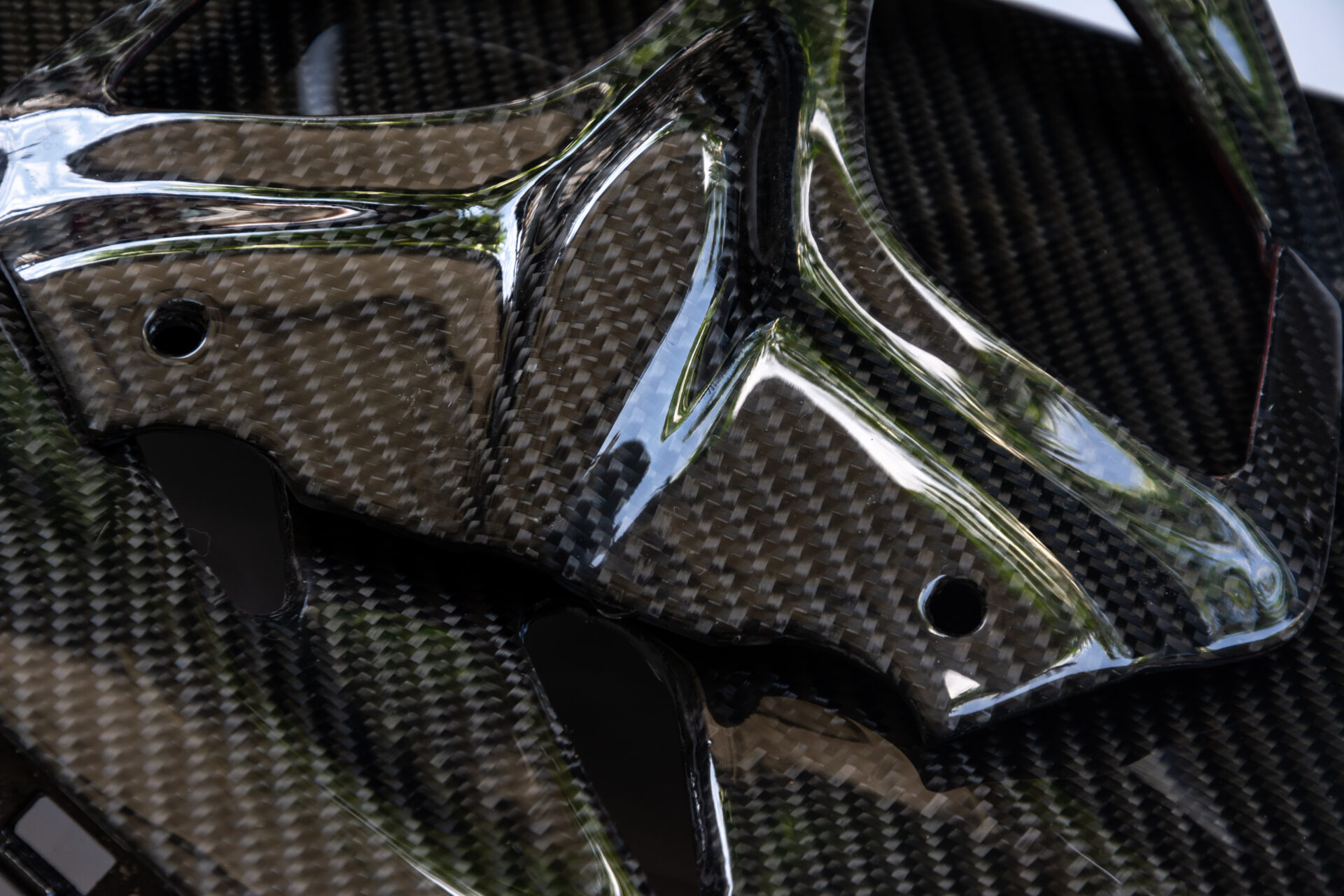
At the same time, lighter materials like carbon fiber composites are replacing heavy metals in airplane bodies. Lighter planes use less fuel, no matter what powers them.
Autonomous Flying Systems
Modern commercial jets already use autopilot for most of the flight. Now, advanced flight software and AI sensors are making aircraft systems even smarter.
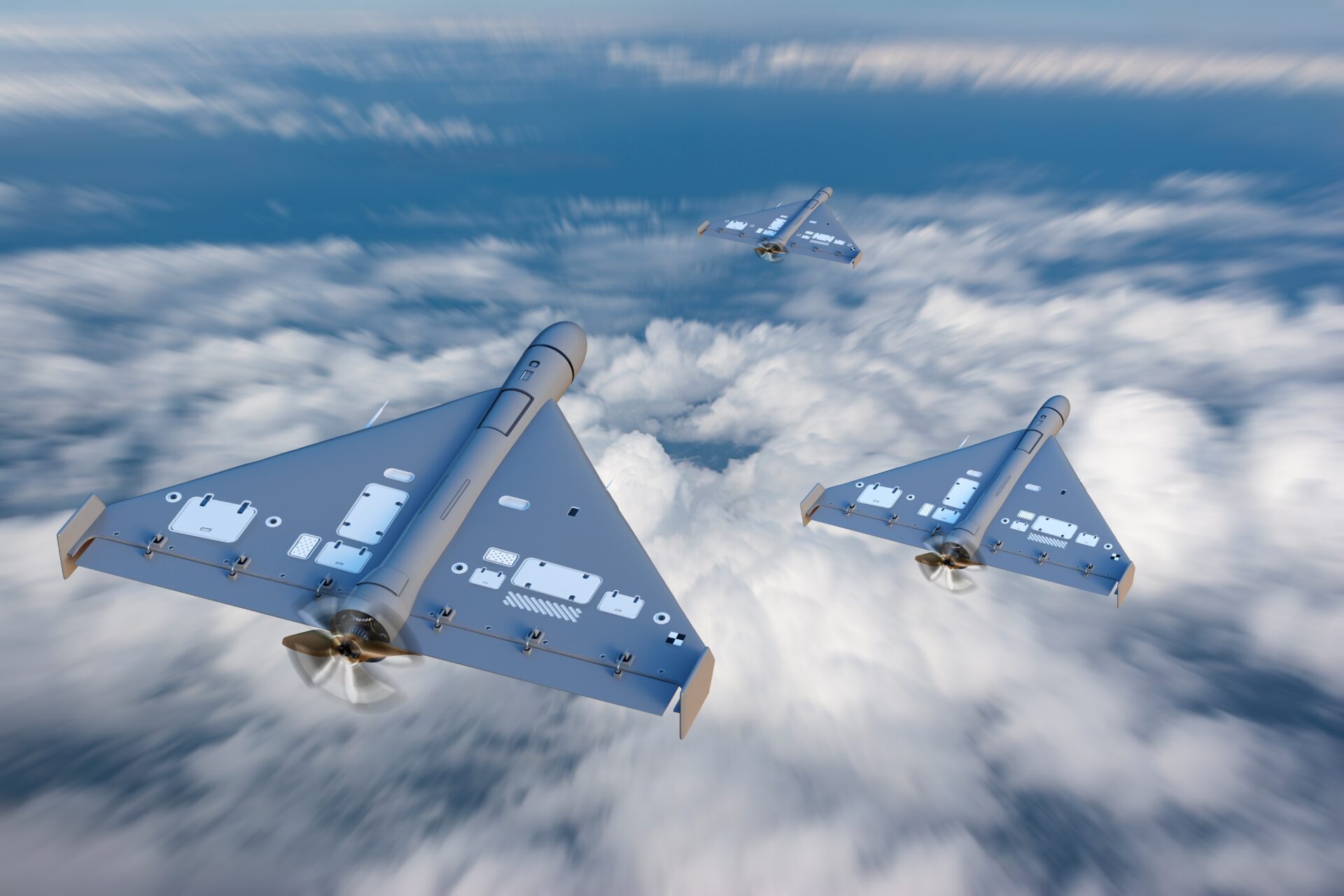
Cargo companies are experimenting with autonomous supply planes to deliver packages to remote towns where pilots might be hard to find. These systems use smart cameras and radar to monitor weather patterns and navigate safely in real time.
The Wright brothers used wood and canvas to build their first plane in a small bicycle shop. Today, aviation teams use lightweight composites, clean fuels, and electric motors. This National Aviation Day, the dream of flight is getting a whole lot greener.
 Read Exclusive Stories
 Bookmark & Save Articles For Later