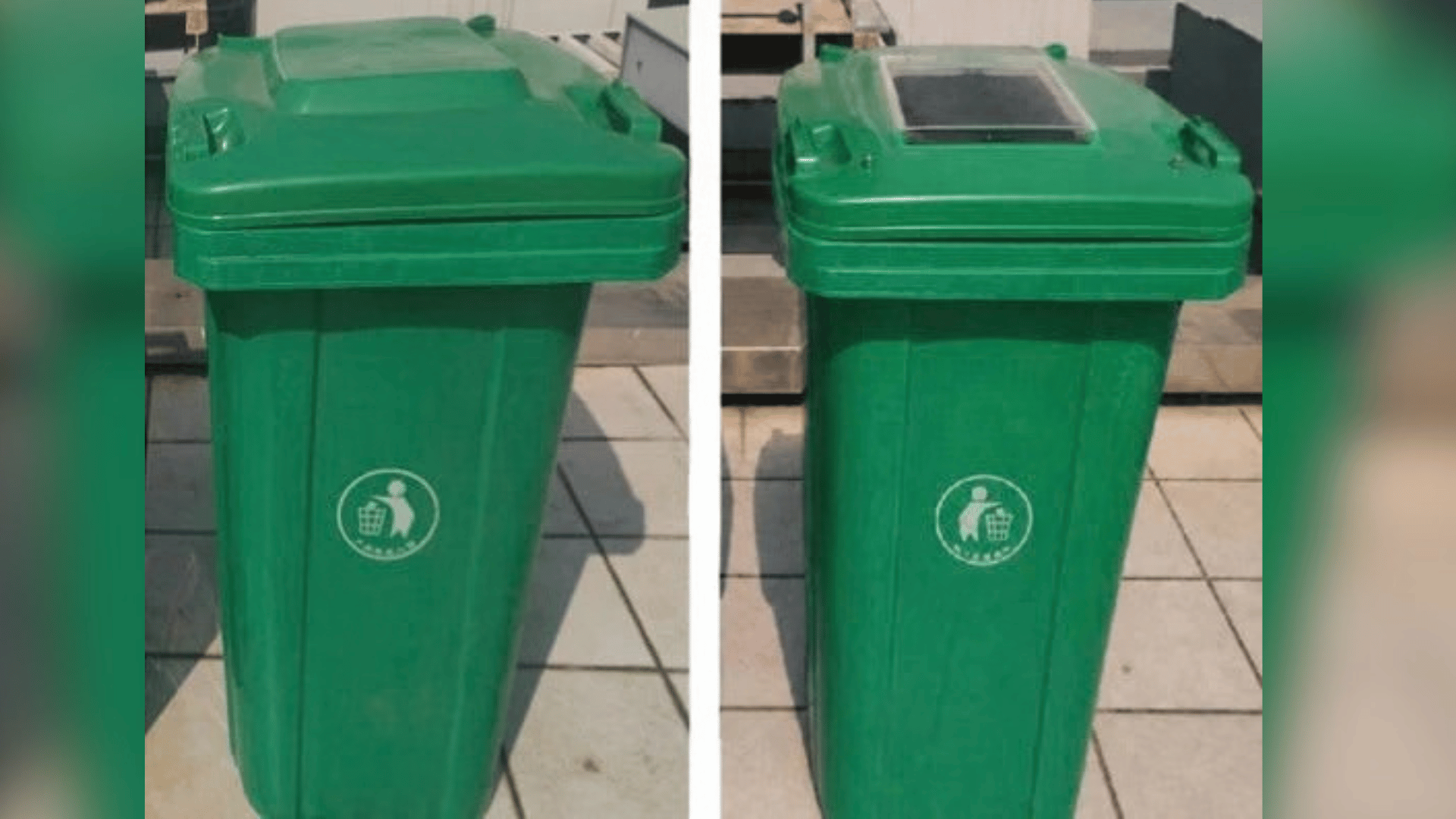
The world has a massive plastic problem. One of the biggest offenders is polyvinyl chloride, or PVC. America makes about 7 million to 8 million metric tons of it every year for pipes, siding, and household items.
The catch? Less than 1% of it actually gets recycled. Most of it ends up in landfills, polluting the environment.
But a team of researchers just found a way to turn that trash into something actually useful: high-performance lubricants.
Scientists from Texas A&M, Virginia Tech, and Caltech teamed up to tackle this. They figured out a way to break down PVC into polyalphaolefin, a type of lubricant. These oils are usually synthetic and used in high-demand machinery because they handle friction and wear really well.
Here’s the breakdown of how they did it. The team at Virginia Tech developed a chemical process to convert the plastic. The Caltech crew handled the computer modeling to see how the molecules would behave. Finally, the team at Texas A&M, led by Dr. Ali Erdemir, tested the material to see if it actually worked as a lubricant.
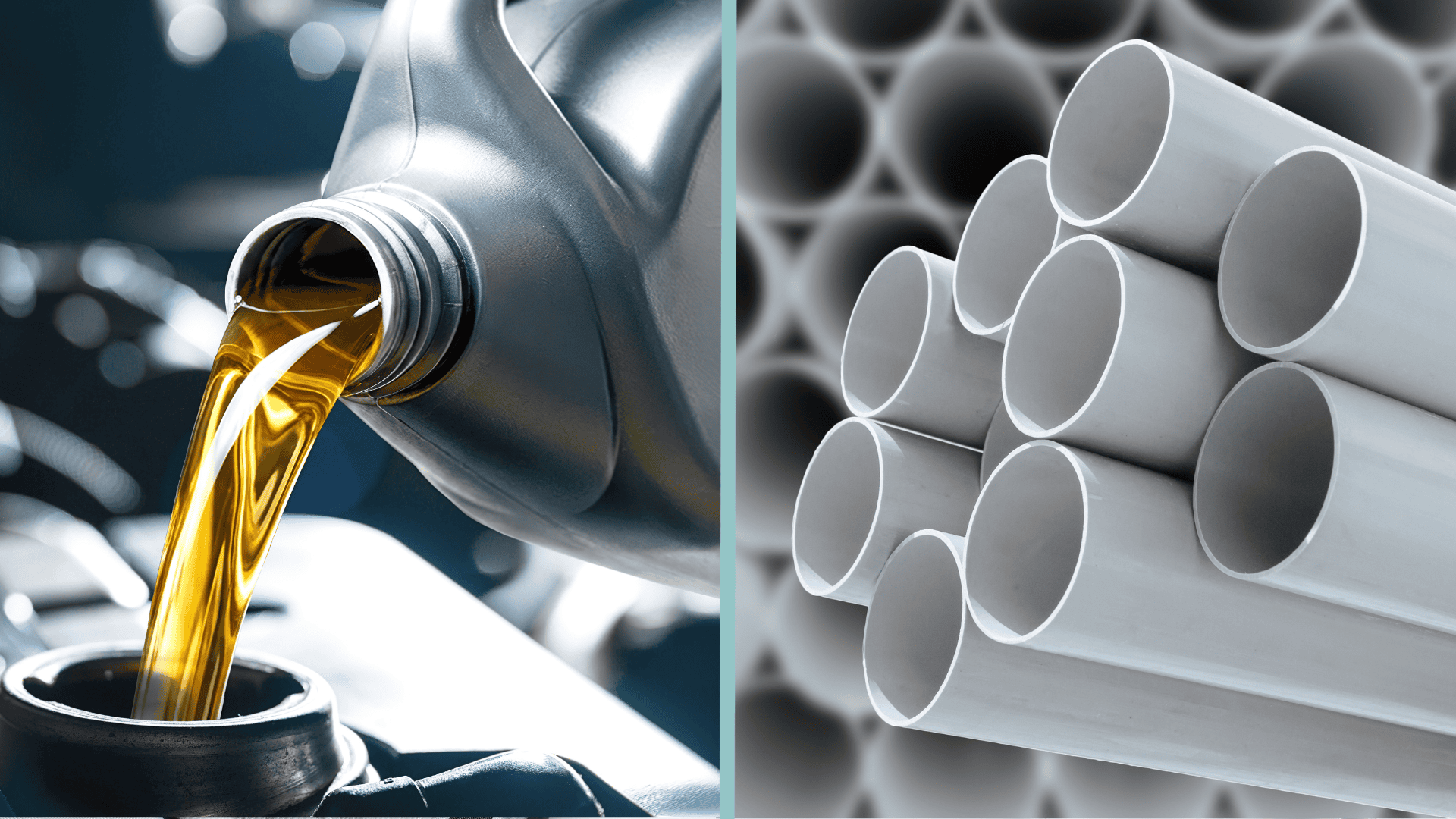
The best part? The process happens at relatively low temperatures. That makes it much more efficient and cheaper than how we make most synthetic lubricants today.
Dr. Erdemir is an expert in tribology, which is just a fancy word for the study of how things rub against each other and wear down. His lab works on ways to make machines last longer and use less energy. When they started this project, they honestly weren’t sure if plastic waste could actually produce a good lubricant.
It turns out, the results were great. The upcycled oil performs just as well as, or sometimes even better than, the traditional oils we use now. That’s a big deal. Instead of letting PVC waste sit in a landfill, we could turn it into a product that helps industrial machines run more smoothly and efficiently.
This isn’t just about cleaning up the planet. It’s about being smarter with the materials we already have. If we can take a product that is notoriously hard to recycle and turn it into something with real industrial value, we change the math on how we view waste.
The team just published these findings in Nature. It’s a solid step toward making engineering more sustainable. We’re still a ways off from seeing this oil in your car or at a local factory, but the research proves the concept works.
Finding ways to reuse materials like PVC is exactly how we start cleaning up our waste streams. It’s a clean, simple, and practical way to solve a massive global headache. And that is exactly the kind of innovation that builds a better future.
Advertisement
 Read Exclusive Stories
 Bookmark & Save Articles For Later