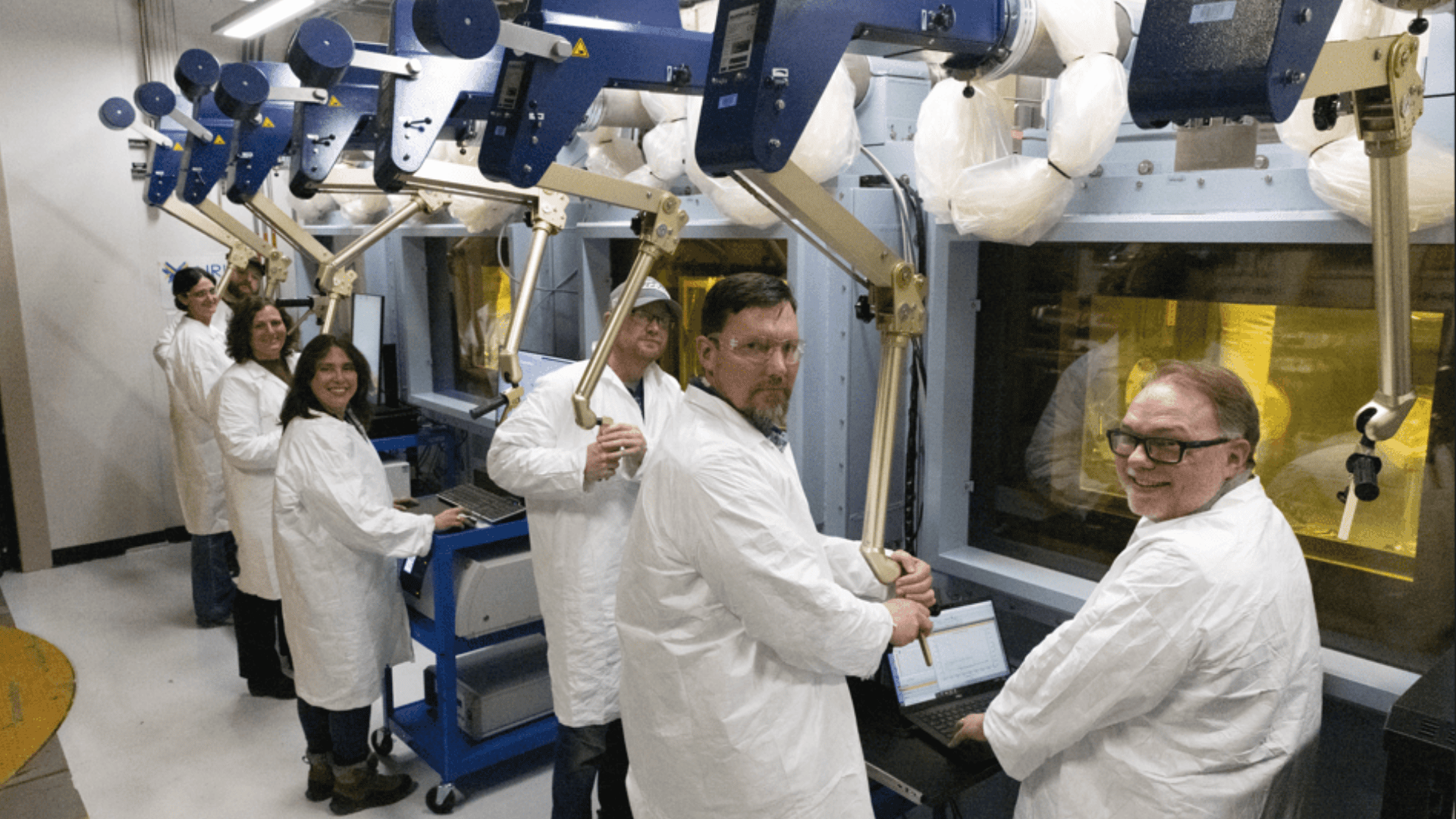
It turns out the secret to a greener chemical industry might be sitting in your bread drawer. Researchers at the University of Edinburgh have found a way to use waste bread to power a chemical reaction called hydrogenation. This process is used to make everything from the plastic in your phone to the medicine in your cabinet, but it usually relies heavily on fossil fuels.
Using Bread to Build
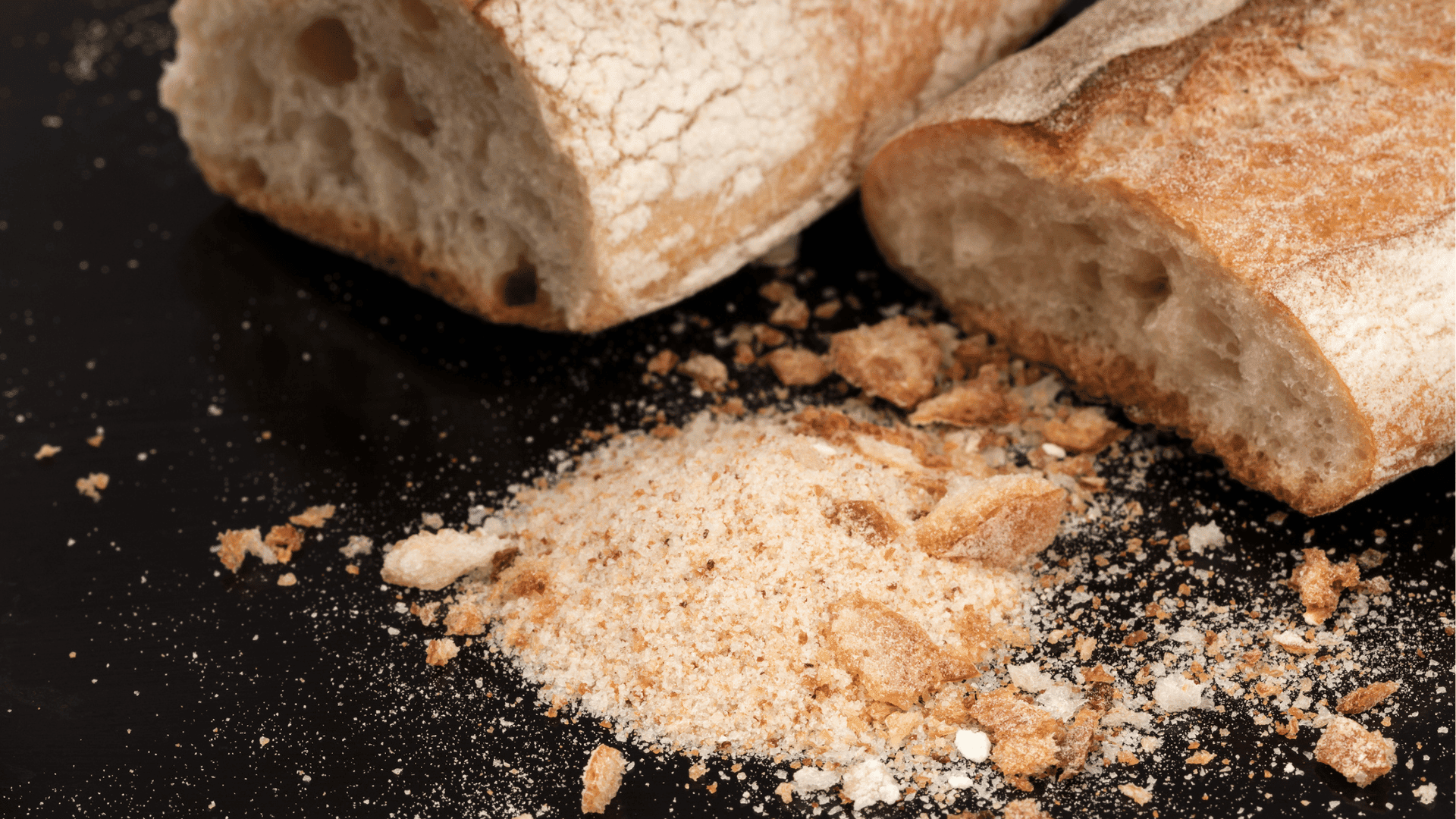
In a typical factory, hydrogenation requires extreme heat and massive amounts of pressure, roughly what you’d find at the bottom of the ocean. It also uses hydrogen gas made from fossil fuels. The team at the Wallace Lab decided to try something different by feeding old bread scraps to a laboratory strain of E. coli. As the bacteria ate the sugars from the bread, they naturally produced hydrogen gas.
The scientists realized they could do everything in one go. By putting the bacteria, the bread, and a small amount of metal catalyst into a single sealed flask at room temperature, the microbes did all the work. There was no need for external gas tanks or massive energy consumption.
Advertisement
“Hydrogenation underpins huge parts of modern manufacturing, but it still relies almost entirely on hydrogen made from fossil fuels,” Professor Stephen Wallace, who leads the research, explained. “What we’ve shown is that living cells can supply that hydrogen directly, using waste as a feedstock, and do so in a way that can actually be carbon-negative.”
Removing Waste and Fossil Fuels
Because this method keeps food waste out of landfills and skips the fossil fuels, it removes more greenhouse gases than it creates. This “carbon-negative” approach could eventually change how we manufacture fine chemicals and fuels.
While the current version uses a metal catalyst like palladium to help the reaction along, the team is already looking at ways to use different microbes that might not need the metal at all.
“This approach isn’t limited to food chemistry either,” said Professor Stephen Wallace. “Hydrogenation is used across pharmaceuticals, fine chemicals and materials. Being able to run these reactions using microbial hydrogen opens up new possibilities for sustainable manufacturing at scale.”