The Perseid meteor shower is back.
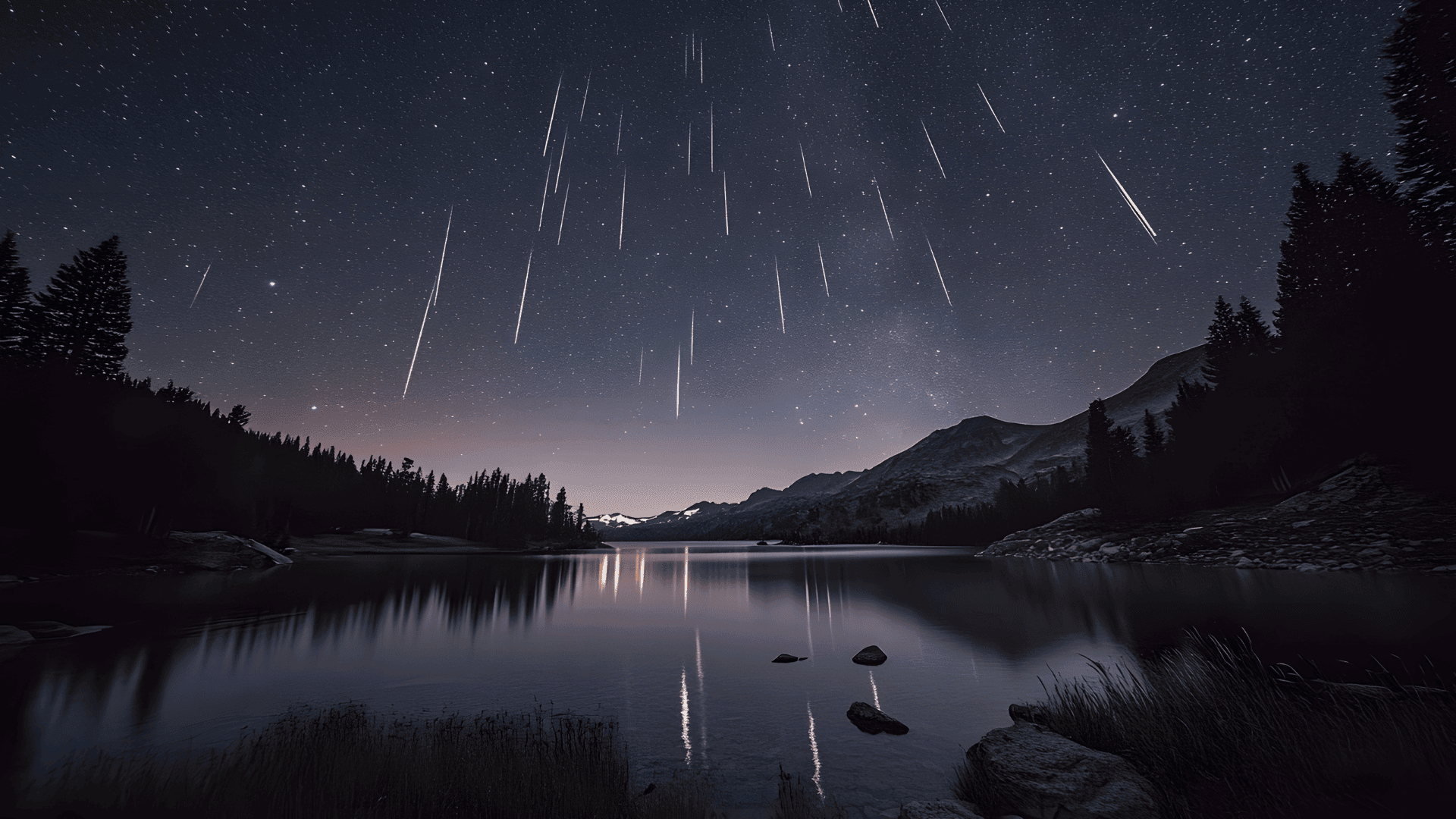
The natural phenomenon has been active since early July and will keep lighting up the night sky through the end of August. The main event, however, peaks on the night of August 12 into the early morning of August 13. This year, the conditions are ideal because the new Moon means the sky will be dark, making it much easier to see.
A Cosmic Engine
This natural light show is created by meteors that come from a comet called 109P/Swift-Tuttle
It takes 133 years to orbit the Sun. Swift-Tuttle is huge. Its core is 16 miles wide, which is almost twice the size of the object that scientists think wiped out the dinosaurs.
As the comet travels, it leaves behind a long trail of space debris. When Earth passes through this field, those pieces hit our atmosphere. As a result, the high-speed friction creates the bright streaks we see from the ground. Astronomer Giovanni Schiaparelli discovered this connection back in 1865, just a few years after Lewis Swift and Horace Tuttle discovered the comet in 1862.
Advertisement
How to Watch the Fireballs
People have been watching the Perseids for more than 2,000 years. During the peak, you can expect to see 50 to 100 meteors every hour. They move fast and often leave long, colorful trails behind them.
This shower is also famous for larger explosions of light that last longer than normal meteors, or fireballs. These happen because they come from bigger chunks of the comet.
The meteors seem to shoot out from the constellation Perseus in the northern sky. However, you don’t need to find Perseus to see them. The meteors can show up anywhere overhead.
If you want to watch, the Northern Hemisphere is the best place to be. You can start looking around 10 p.m., but the pre-dawn hours, around 3 a.m., are usually better. According to NASA, the ideal way to watch is finding a dark spot away from city lights. Give your eyes 20 to 30 minutes to adjust to the dark, and just look up, no telescope needed.
Sit back, be patient, and wait for the sky to light up.
 Read Exclusive Stories
 Bookmark & Save Articles For Later