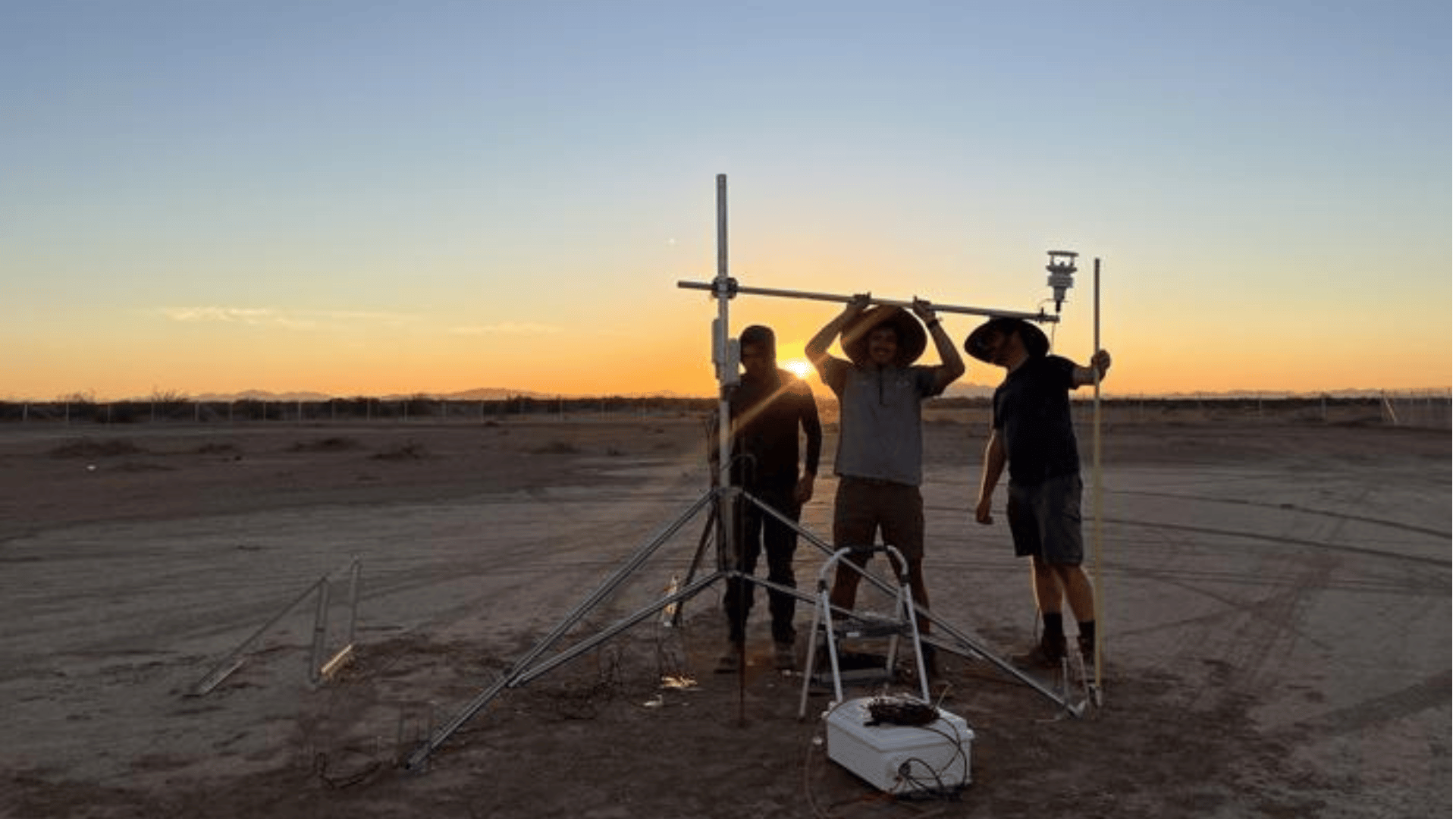
Near-infrared light is already used in many places. It helps doctors spot cancer and keeps self-driving cars on the road. It usually gives a clear picture when regular light would just look blurry.
When this light passes through dense materials, such as deep tissue or thick fog, it scatters. Not only is the picture unclear, but the current equipment required to pick up this light is made from expensive materials. This limits who can actually afford to use it.
Now, researchers at the University of Rochester have built a cheaper system that fixes both of these issues. They used inexpensive silicon detectors to turn near-infrared light into visible light. This creates clearer pictures, even in those tough environments.
Using Light to Control Light
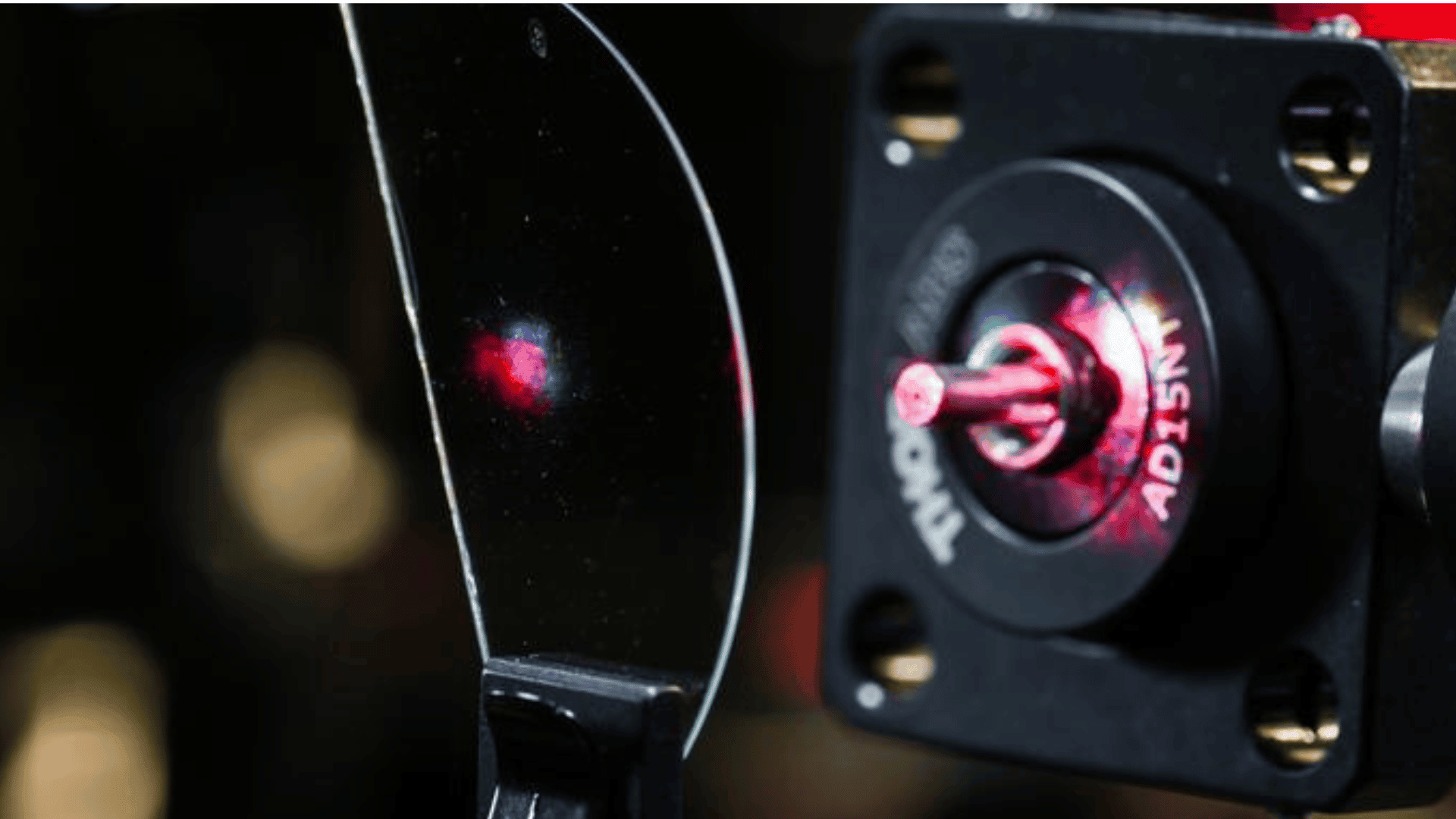
The team used a method called time-gating. The lab of Robert Boyd has been refining this for over ten years. It uses quick bursts of light to act as a gate. This gate is made of a thin film of indium tin oxide and only lets infrared particles through for a tiny fraction of a second. This is known as a picosecond. To put that into perspective, that’s the time it takes light to travel the size of the period at the end of a sentence.
Advertisement
“Time-gating essentially works like the shutter in a camera,” Lead author Yang Xu explained. “In a traditional camera, the shutter is mechanical—when it opens, light comes in, and when it closes, light is rejected. In this case, we use light to control light.”
Essentially, it converts these light particles into a clear, visible picture in real time. This can help make medical imaging better and keep autonomous cars safe in bad weather.
Expanding the Picture
While the new images were clear, the area they could actually see was relatively small. The Rochester team worked with researchers at UCLA to add machine learning to the mix.
“Before applying artificial intelligence, we could see only a limited field of view,” Xu added. “By adding our collaborators’ methods, we can essentially reconstruct a much larger target area, enlarging the field of view our ultrafast time-gating technique can capture.”
 Read Exclusive Stories
 Bookmark & Save Articles For Later