If you visit Cumberland Falls in Kentucky during the day, it looks like a standard, really big waterfall. The water drops 68 feet, kicking up a massive wall of mist.
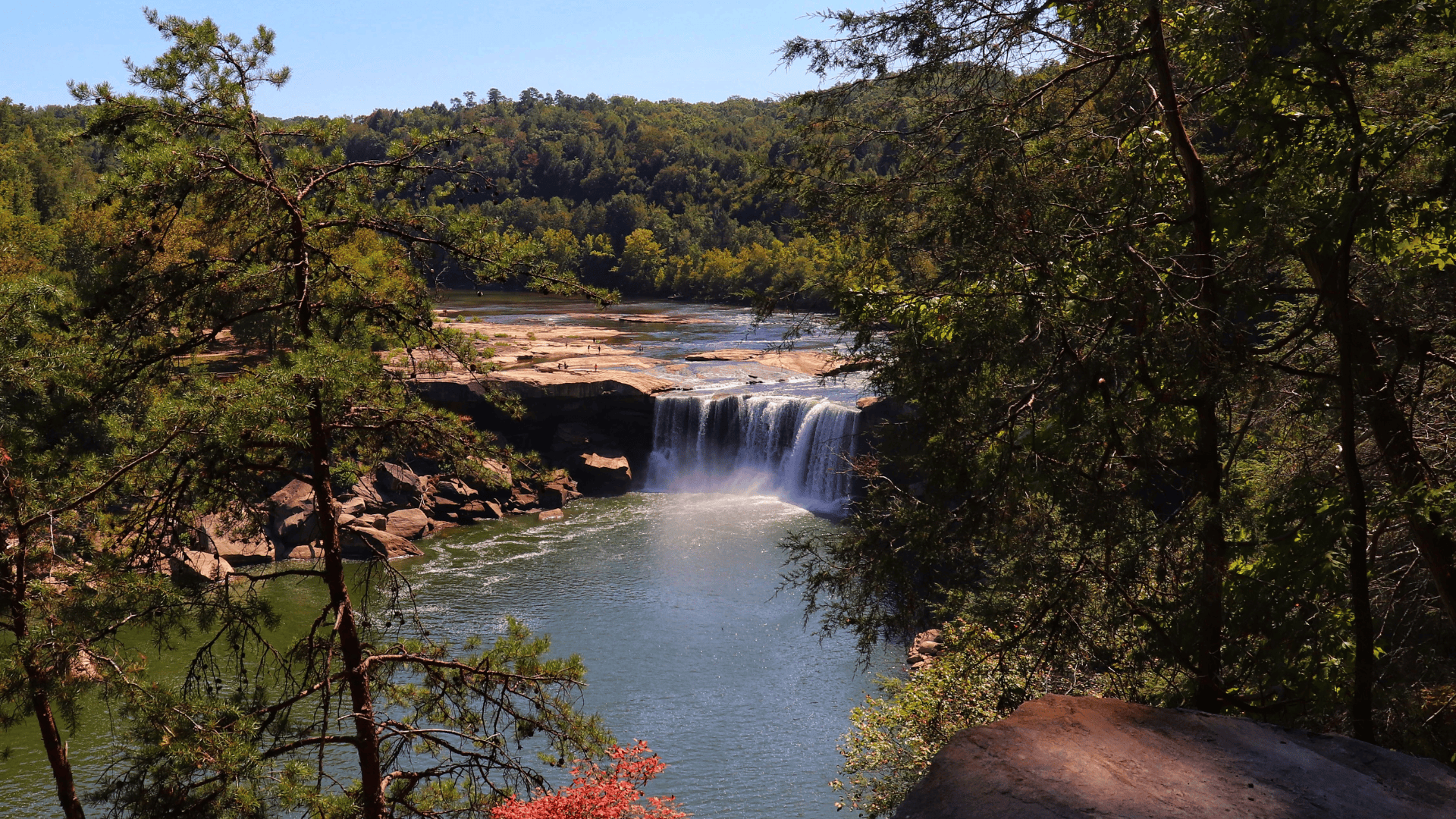
But if you show up in the middle of the night during a full moon, you might see something completely different. A glowing white arch stretches right across the water.
People call it a moonbow. It is exactly what it sounds like—a rainbow created by the moon.
How A Moonbow Works
Regular rainbows happen when sunlight hits water droplets in the air. The water acts like a tiny prism. It bends the light and splits it into different colors.
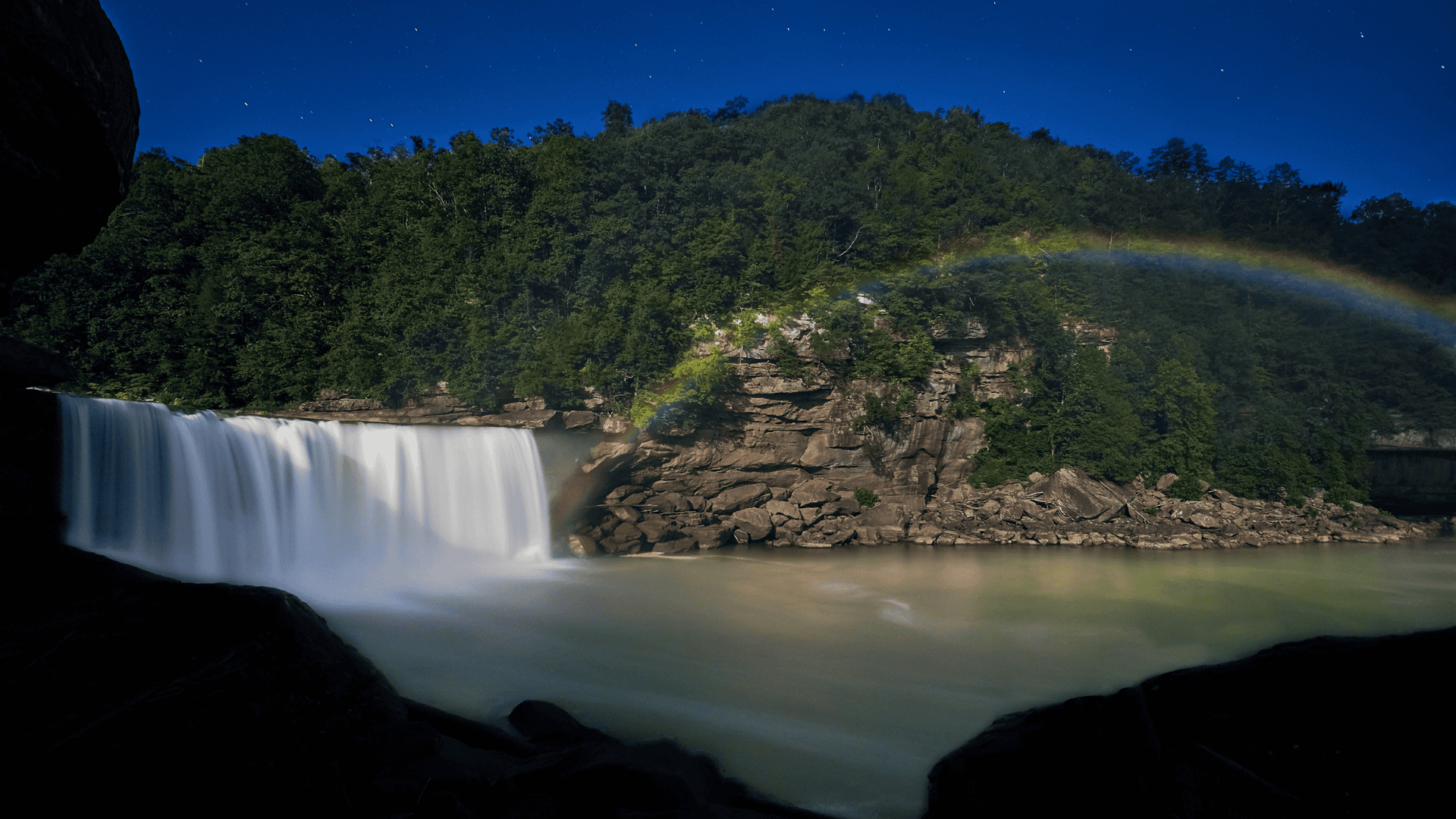
A moonbow does the exact same thing. But instead of direct sunlight, it uses moonlight. Since moonlight is just sunlight reflected off the moon’s surface, it is much weaker.
When the heavy water from the Cumberland River crashes into the rocks below, it creates a constant, thick mist. As the bright moonlight hits that mist at the right angle, the water droplets bend the light and create a visible arch.
Why It Only Happens Here
Advertisement
You cannot just go out to your sprinkler at night and make a moonbow. It requires a very specific setup.
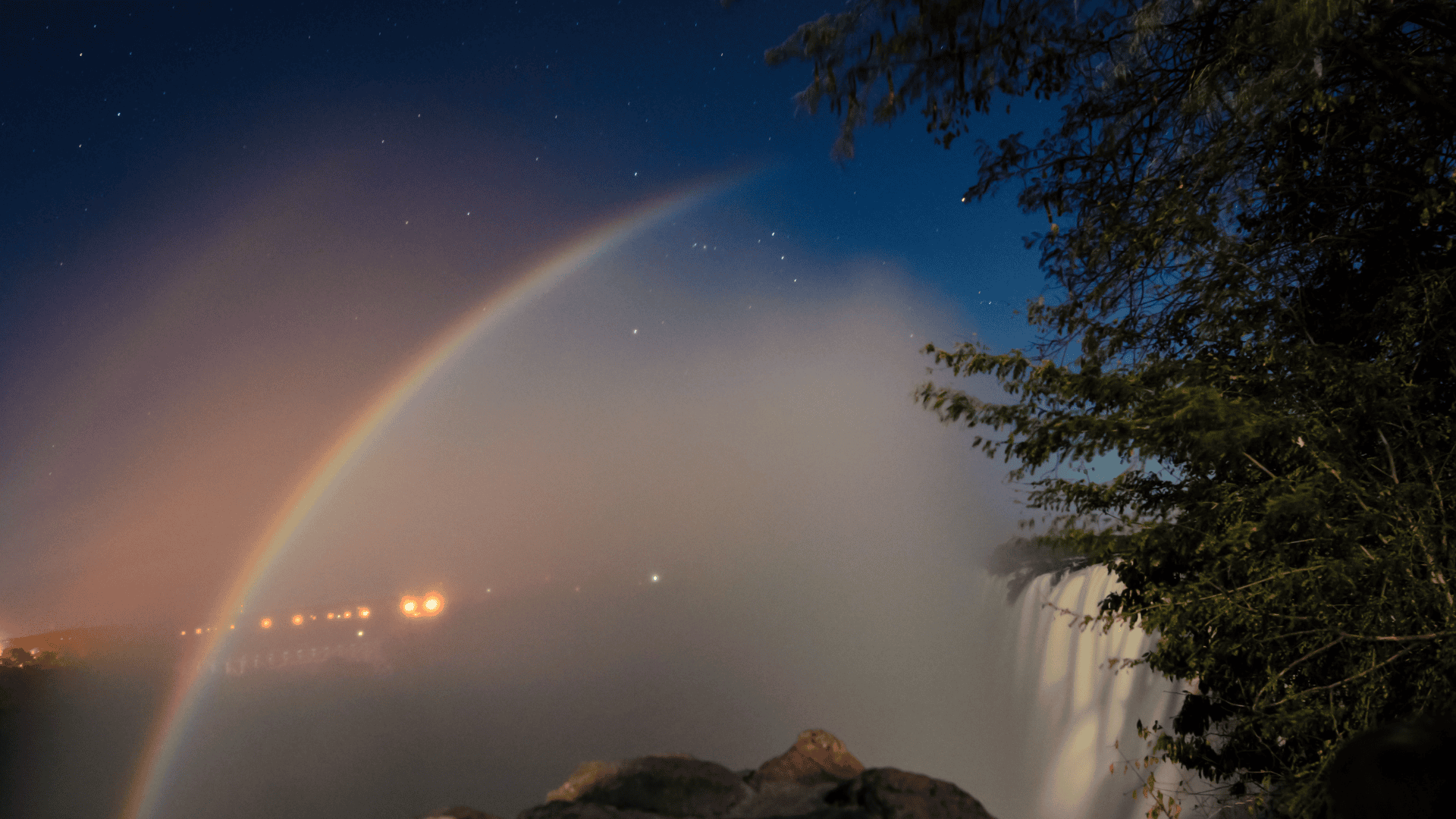
First, you need a massive amount of mist, which means you need a giant waterfall. Second, the sky has to be perfectly clear. Third, you need a full moon sitting low in the sky, exactly opposite the waterfall.
Finally, you need total darkness. Any artificial light from streetlamps or cities will completely wash out the faint moonlight. Because Cumberland Falls is tucked away in a dark state park, it has the perfect conditions. In fact, it is one of the few places in the Western Hemisphere where you can reliably see one.
Catching The Right Light
Here is the catch. Because the moonlight is so dim, human eyes struggle to pick up the colors in the dark.
To most people standing on the viewing deck, the moonbow just looks like a solid white ghost arch. But if you take a long-exposure photo with a camera, the sensor gathers enough light to reveal the red, green, and blue bands hiding inside.
You only get a small window to see it. The park tracks the lunar schedule, and the bow only shows up for a few nights a month when the moon is perfectly full.
 Read Exclusive Stories
 Bookmark & Save Articles For Later