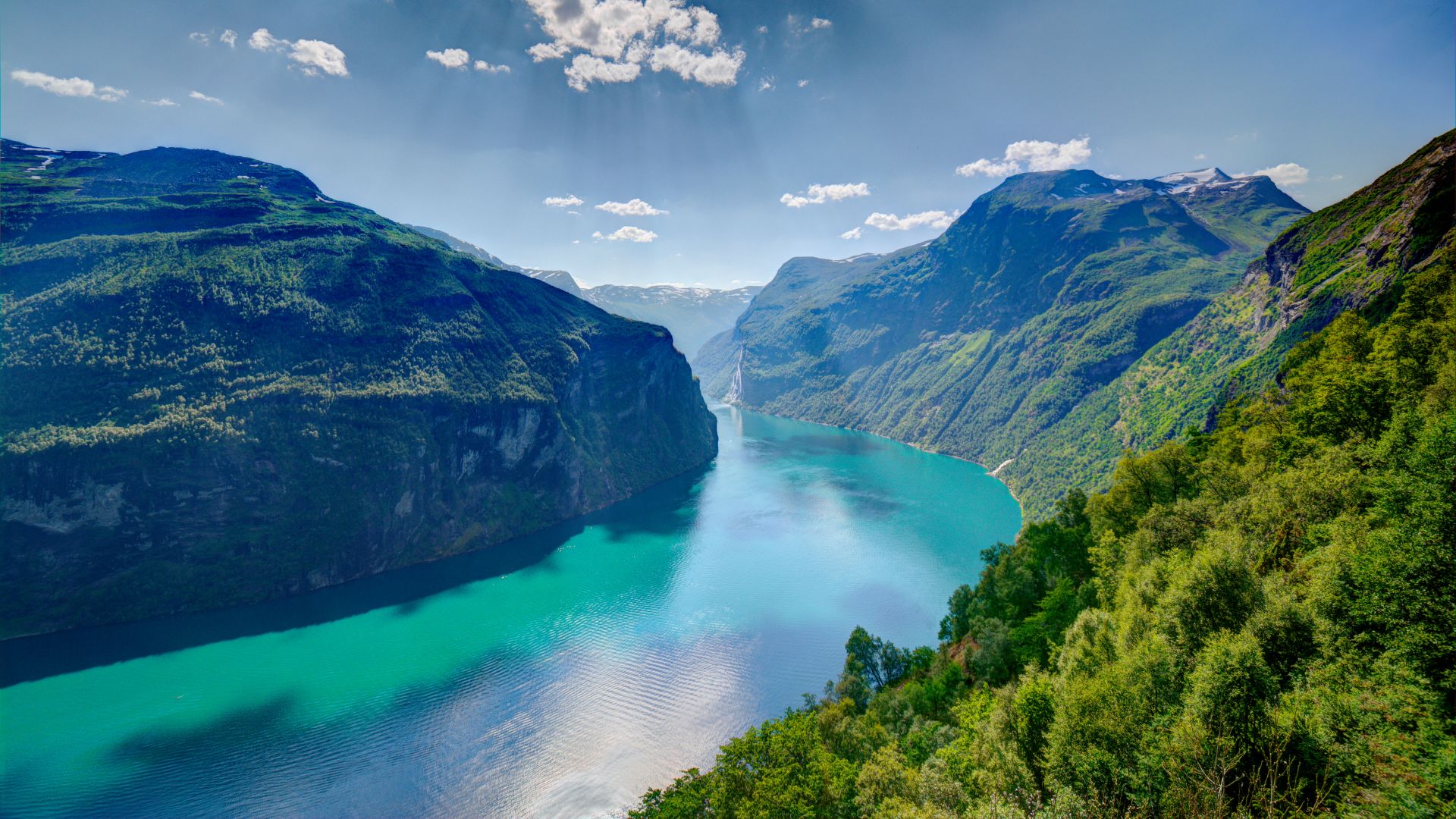
If you take a boat through the Geirangerfjord in Norway, you are surrounded by walls of solid rock. The cliffs shoot straight up out of the deep, dark water. It feels like you are traveling through a flooded mountain range.
The scenery here is famous for being dramatic. Huge waterfalls spill over the edges of the cliffs and crash into the water below. But the shape of this massive canyon tells a very clear story about how ice can tear apart solid rock.
Carved by Ancient Ice
This entire landscape was built by glaciers. During the last ice age, a massive sheet of ice covered the area.
As the ice slowly moved down toward the ocean, it acted like a giant plow. The heavy glacier dragged rocks and boulders along its bottom, grinding away the earth underneath it. Over thousands of years, the ice carved a deep, U-shaped valley straight through the mountains.
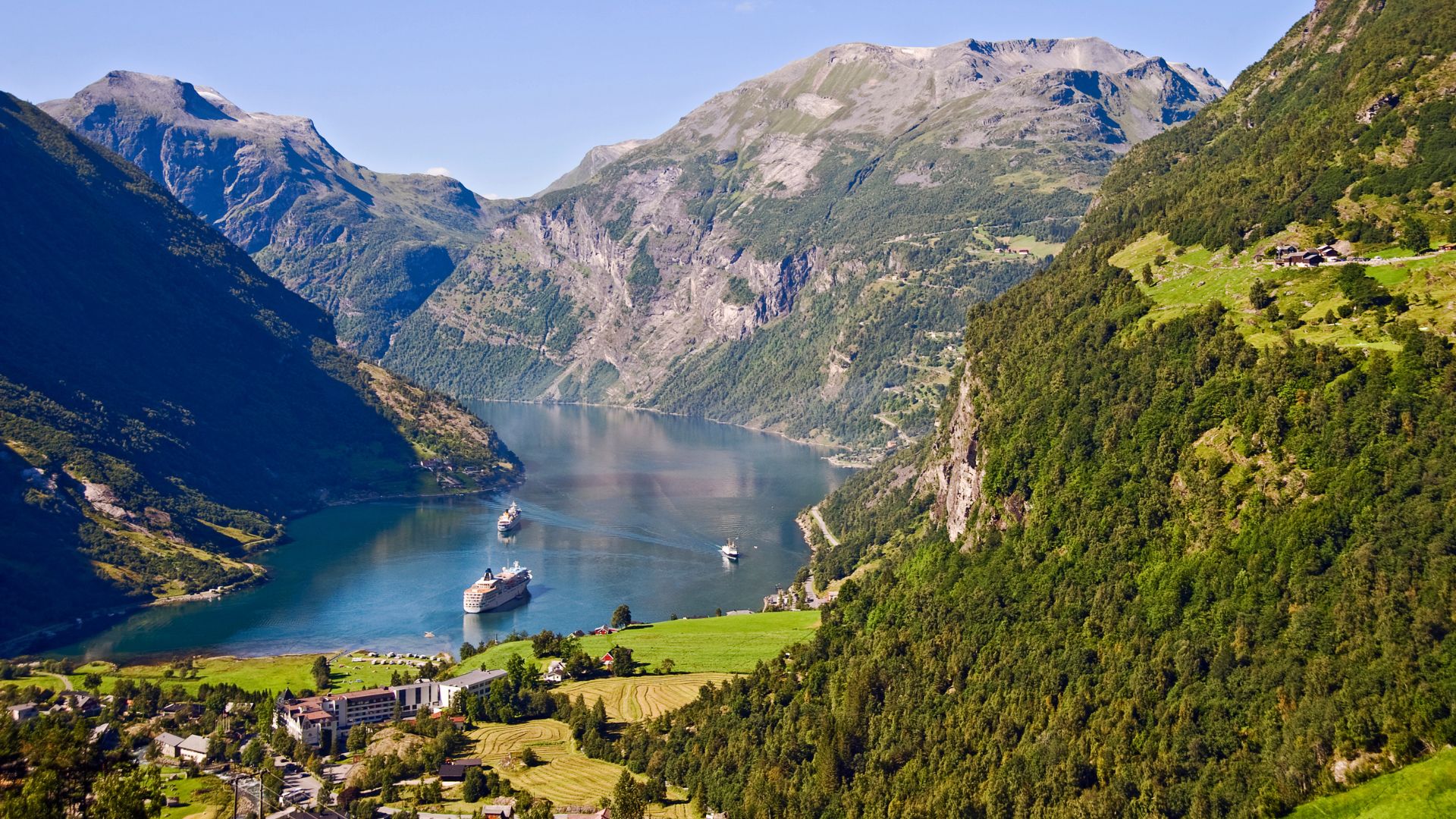
When the Earth warmed up and the ice melted, the ocean water rushed in to fill the empty trench. That is what a fjord actually is. It is just a deep glacial valley flooded by the sea. The water in the Geirangerfjord is incredibly deep, reaching over 800 feet down in some spots. This allows huge ocean ships to sail right up into the middle of the mountains.
Advertisement
Falling Over the Edge
Because the glaciers carved the valley walls so steeply, any water flowing from the mountains has nowhere to go but straight down.
This creates some of the world’s most famous waterfalls. The most recognizable one is called the Seven Sisters. It is a series of seven separate streams of water falling right next to each other down an 800-foot cliff face.
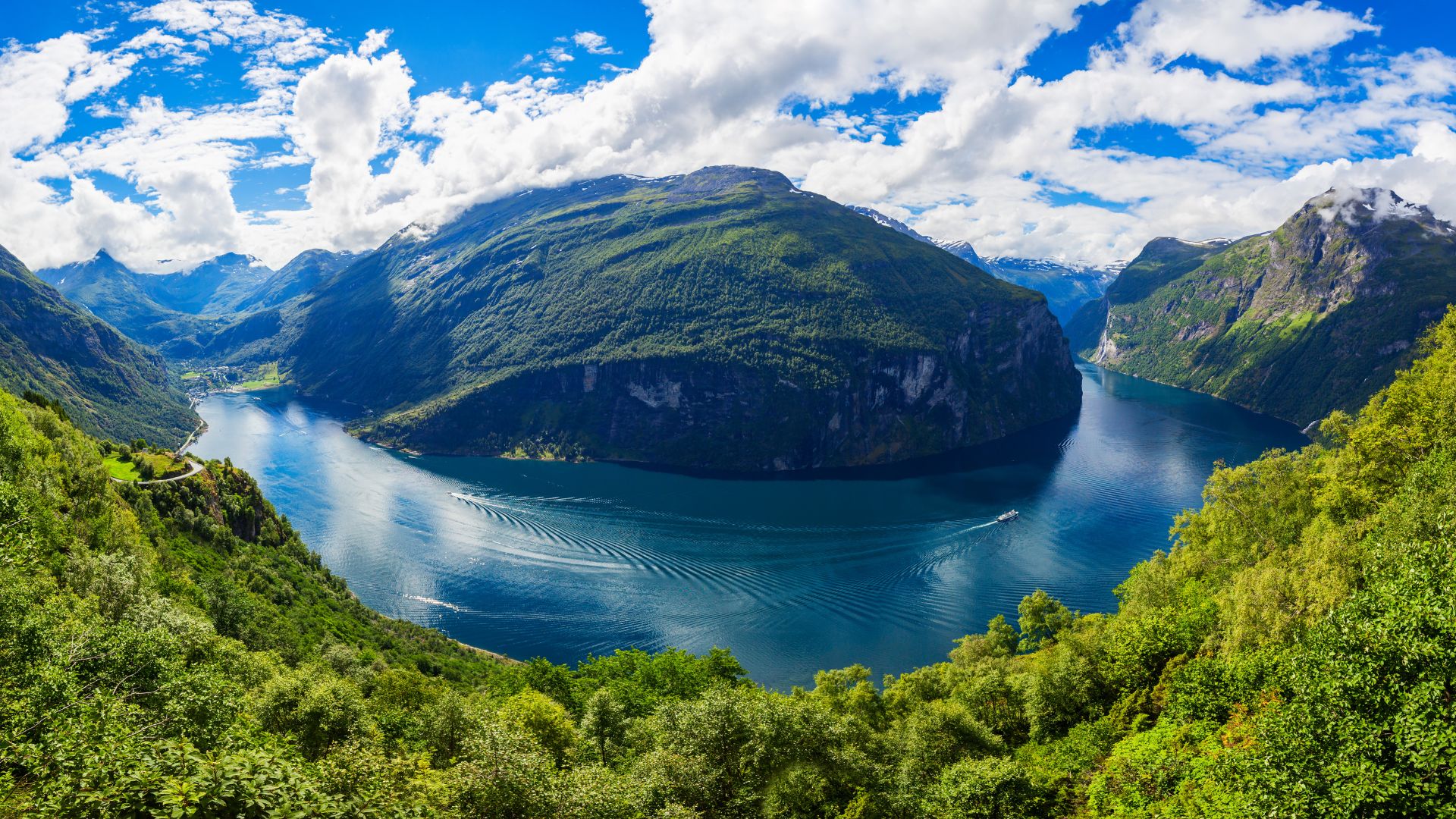
If you look closely at the cliffs near the falls, you can see small green patches of flat land. These are actually old, abandoned farms. Hundreds of years ago, people built houses on these tiny ledges high above the water. They had to tie their kids to the rocks with ropes so they would not fall off the edge.
Today, the farms are empty. But the melting snow from the mountains still feeds the waterfalls, keeping the water pouring over the cliffs exactly like it has for thousands of years.
 Read Exclusive Stories
 Bookmark & Save Articles For Later