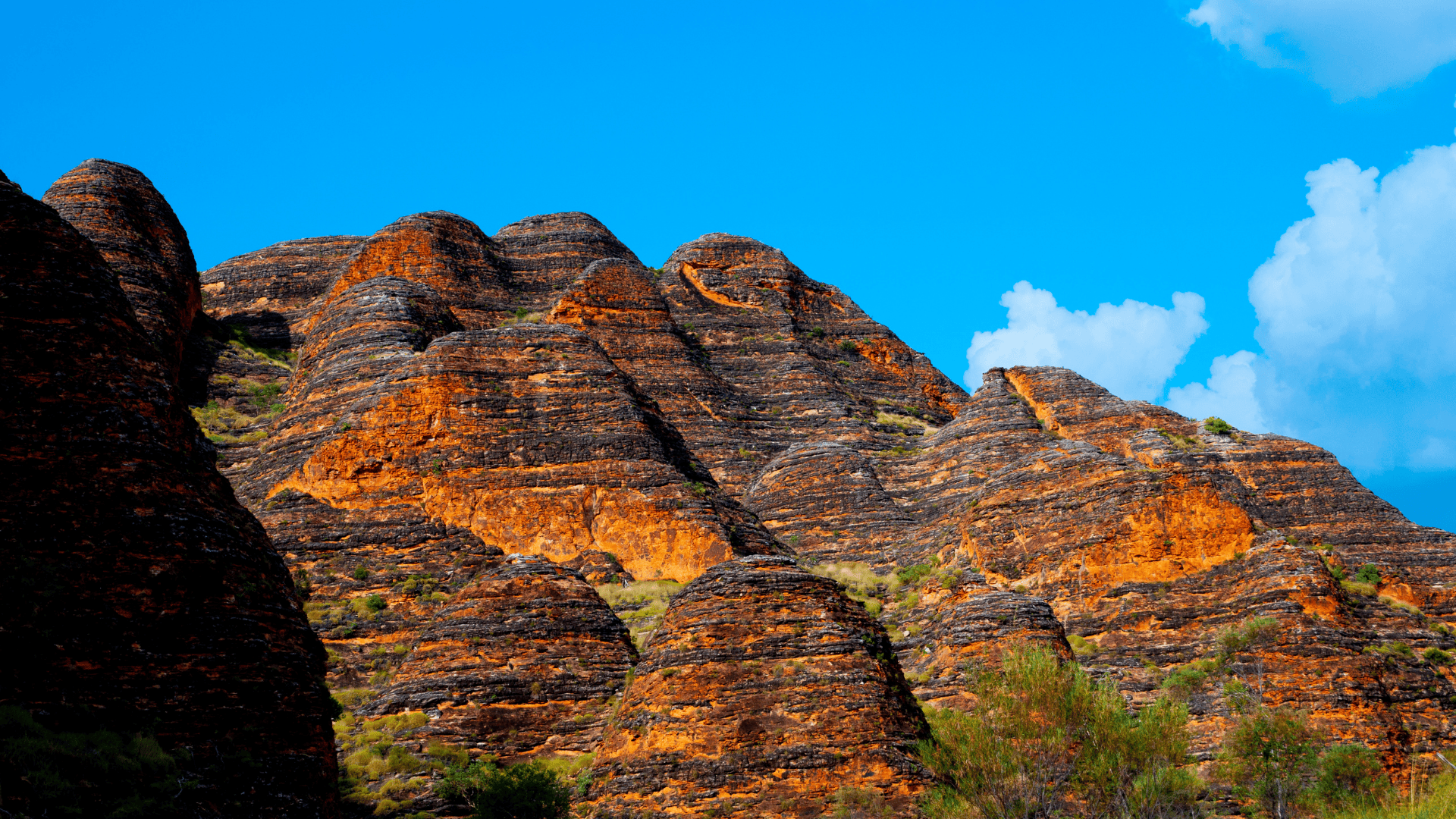
If you stroll through the woods of eastern Missouri, you might stumble on a very weird rock formation. Perched on top of a hill are a series of massive pink granite boulders lined up in a row.
They appear to perfectly line up into a train of elephants with their tails connected to the next elephant in the formation.
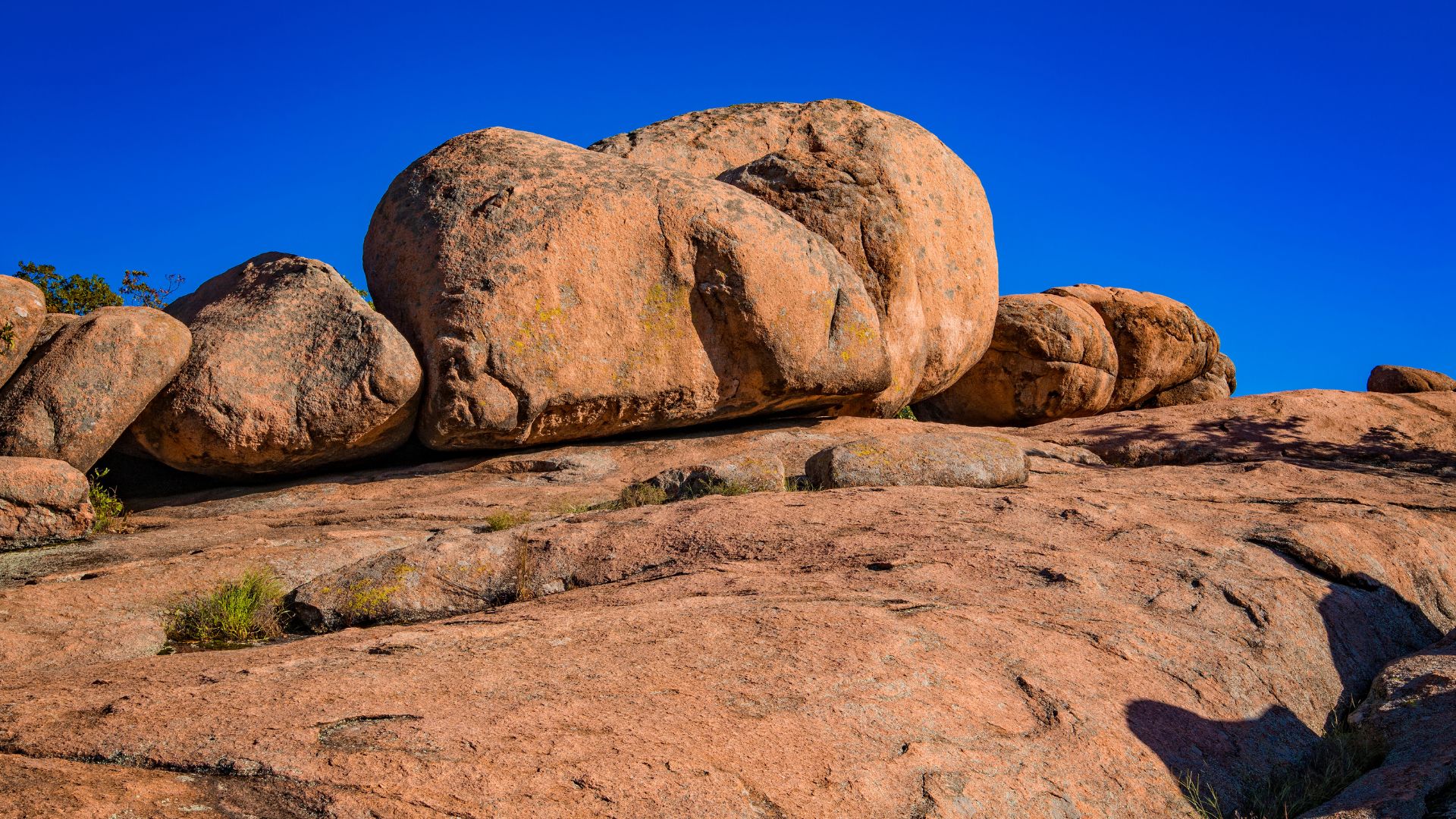
Known as Elephant Rocks State Park, the area features the biggest boulder, nicknamed Dumbo, which stands 27 feet tall and weighs around 680 tons. However, what is arguably the craziest about these formations is the way they are so smooth and round.
Trapped Underground
Around 1.5 billion years ago, magma came up towards the Earth’s crust. However, it was trapped below the Earth’s surface.
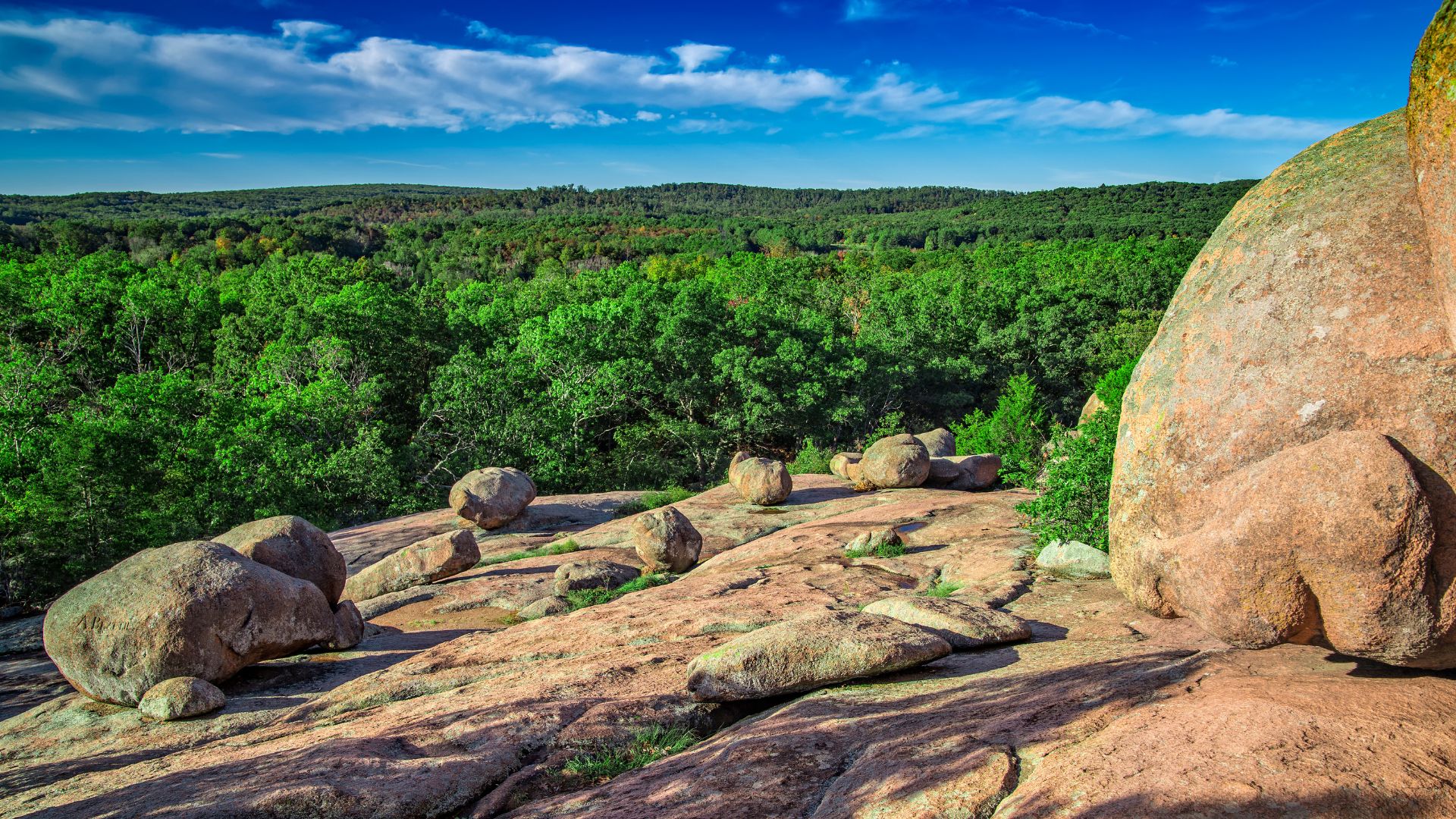
Due to being trapped beneath the earth’s surface, the magma cooled slowly over the millennia to form solid granite blocks that were red in color.
As millions of years passed, the soil covering the granite blocks eroded away. This allowed the granite boulder to expand and fracture into massive blocks of granite with sharp edges.
A Natural Rock Tumbler
Advertisement
Despite the size of these granite blocks, they were still buried beneath the earth. Rain and stream water infiltrated these granite blocks through the cracks in the rock.
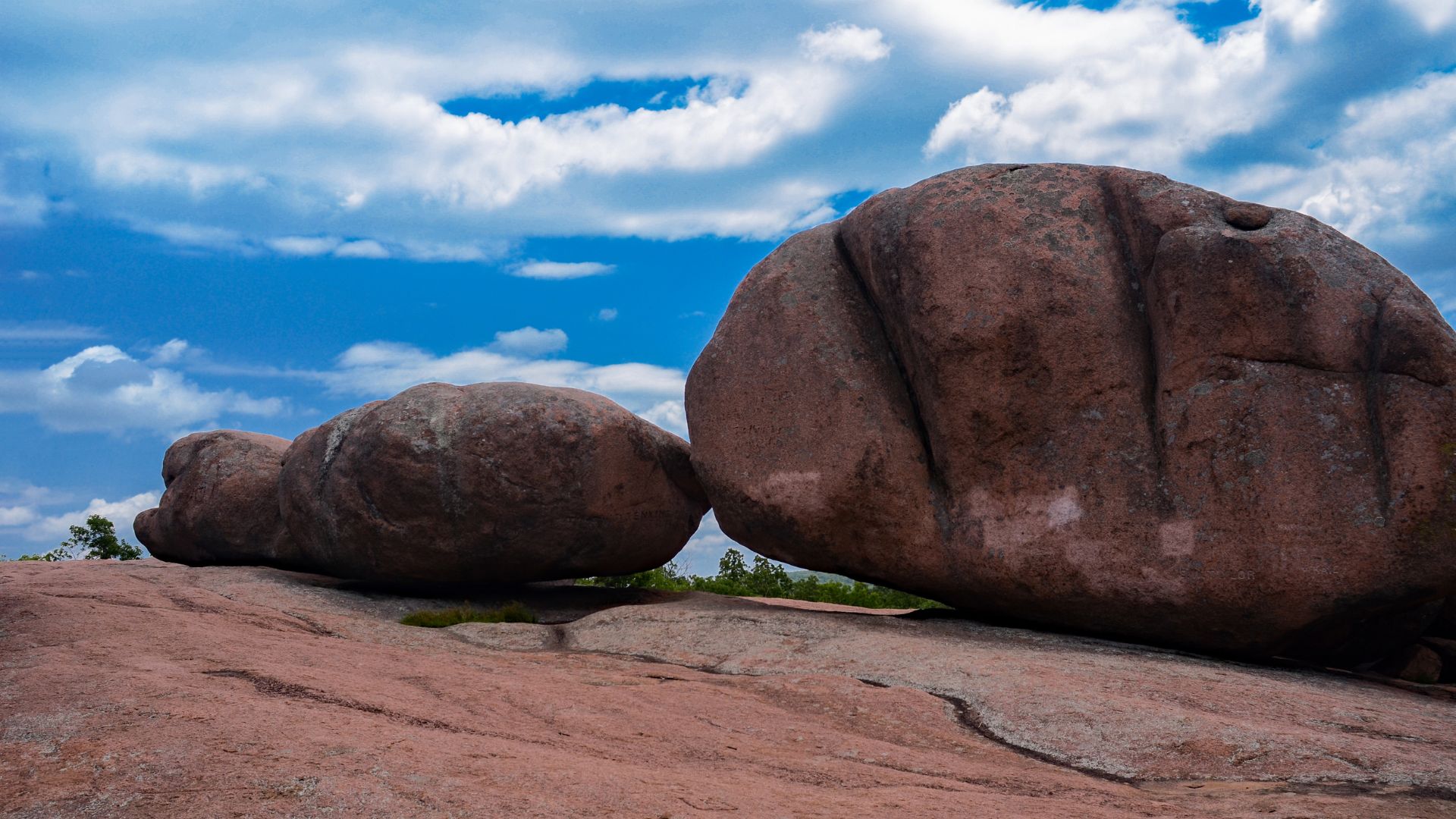
The water slowly dissolved the sharp edges of these granite blocks over time. Think of an ice cube melting in a glass of water. The sharp edges of the ice cube melt the fastest, leaving the rest of the ice block smooth and round. This same process occurred with these granite boulders over thousands of years.
The soil that covered these granite boulders eroded away completely over time. This left these massive, rounded-edged rocks exposed on Earth’s surface today.
Shrinking Elephants
Despite their massive size today, these elephants are slowly shrinking. During the winter months, the water that pools in the low areas on the rocks freezes and expands, flaking the rocks’ surfaces.
Additionally, moss and lichens that grow on the rocks release weak acids that continue to slowly erode the granite stones. Thus, these elephants might look massive today, but are slowly being shaved down by the elements of nature.
 Read Exclusive Stories
 Bookmark & Save Articles For Later