You’ve probably seen entire sides of buildings covered in greenery before. They look great, but it turns out that these “living walls” are doing a lot more than just improving the view. A new study from the University of Plymouth shows these vertical gardens are acting as major hubs for biodiversity in urban areas.
Researchers spent time monitoring three different locations across Plymouth, ranging from the city center to the outskirts. They looked at everything from the University’s Sustainability Hub to a new town development. The goal was to see if these green structures actually helped local wildlife.
Over three survey periods, the team found hundreds of creatures making themselves at home. They recorded 12 different types of bees, plus hoverflies, 19 types of soil invertebrates, and 12 species of spiders.
It wasn’t just bugs, though. The study recorded 32 bird species across the locations. They also found house sparrows, blackbirds, and robins nesting right inside the walls.
Each Living Wall is Different
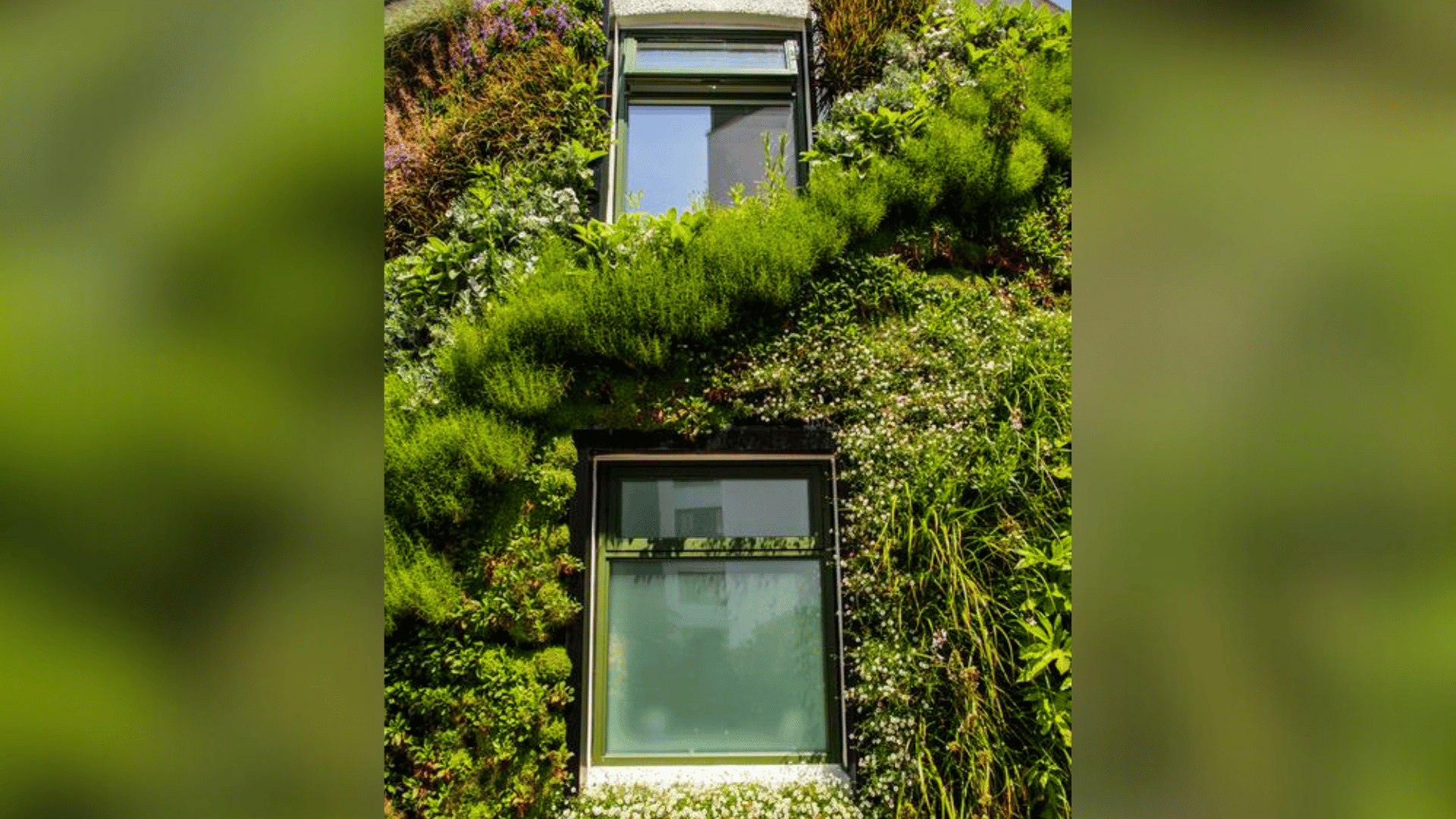
There is more to it than just attaching greenery to a wall and expecting something to grow on it. The study, published in the Journal of Urban Science, found that the design matters.
Advertisement
Living walls that used actual soil attracted way more wildlife than those using artificial materials. The plant choice makes a significant impact as well. For example, if you want to help pollinators, the researchers suggest using ivy, Mexican daisy, and honeysuckle.
This research is coming at a critical time. With 68% of the world’s population expected to live in cities by 2050, we are running out of space for nature.
A Policy Challenge
“We’re in the middle of a global biodiversity crisis where wild species are increasingly being threatened by the changing climate and habitat loss,” Dr. Lunt said. “We need to do everything we can to support our wildlife, and it is one of the reasons why living walls are becoming an increasingly visible feature of UK urban design.”
He added that their work provides “a policy challenge with current legislation, meaning their ecological contributions are being undervalued in planning assessments.”
Additionally, building owners see benefits. Back in 2021, they found that retrofitting a building with a living wall can cut heat loss by more than 30%.