Most gardens are quiet places to walk around and look at flowers. Longwood Gardens in Pennsylvania takes a different approach. It treats plant life like a massive stage production. Covering over 1,000 acres, the site combines botany with heavy engineering to put on a show all year long.
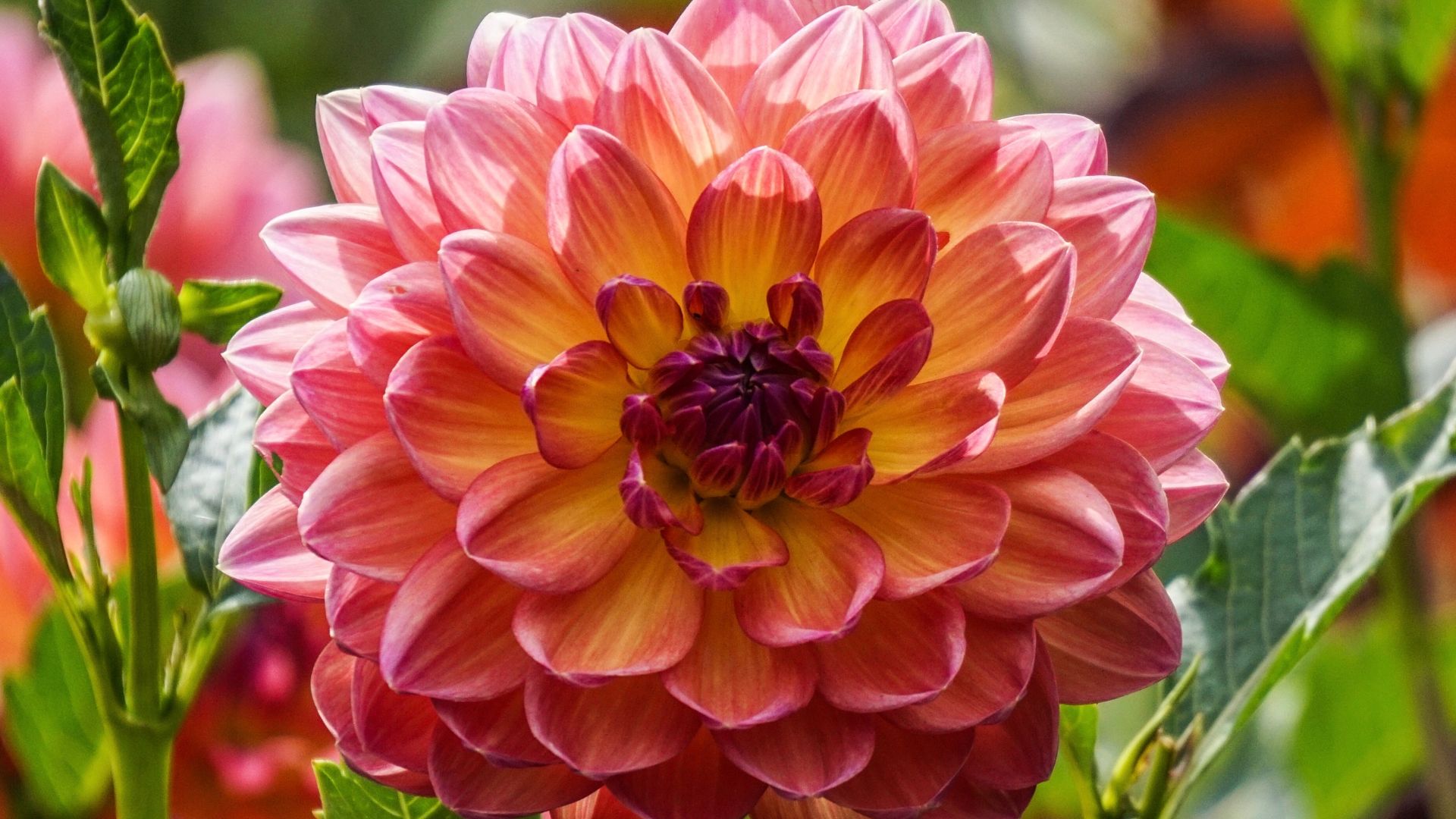
Climate Controlled Glasshouses
The main attraction is the Conservatory. It is a four-acre glass building that basically controls its own weather. Building a greenhouse is nothing new, but running one this big takes serious technology.
Computer systems constantly monitor the humidity, sunlight, and temperature inside. If it gets too hot, mechanical shades automatically roll across the massive glass ceiling to block the sun. Underneath the floors, miles of pipes pump heat to keep the roots warm.
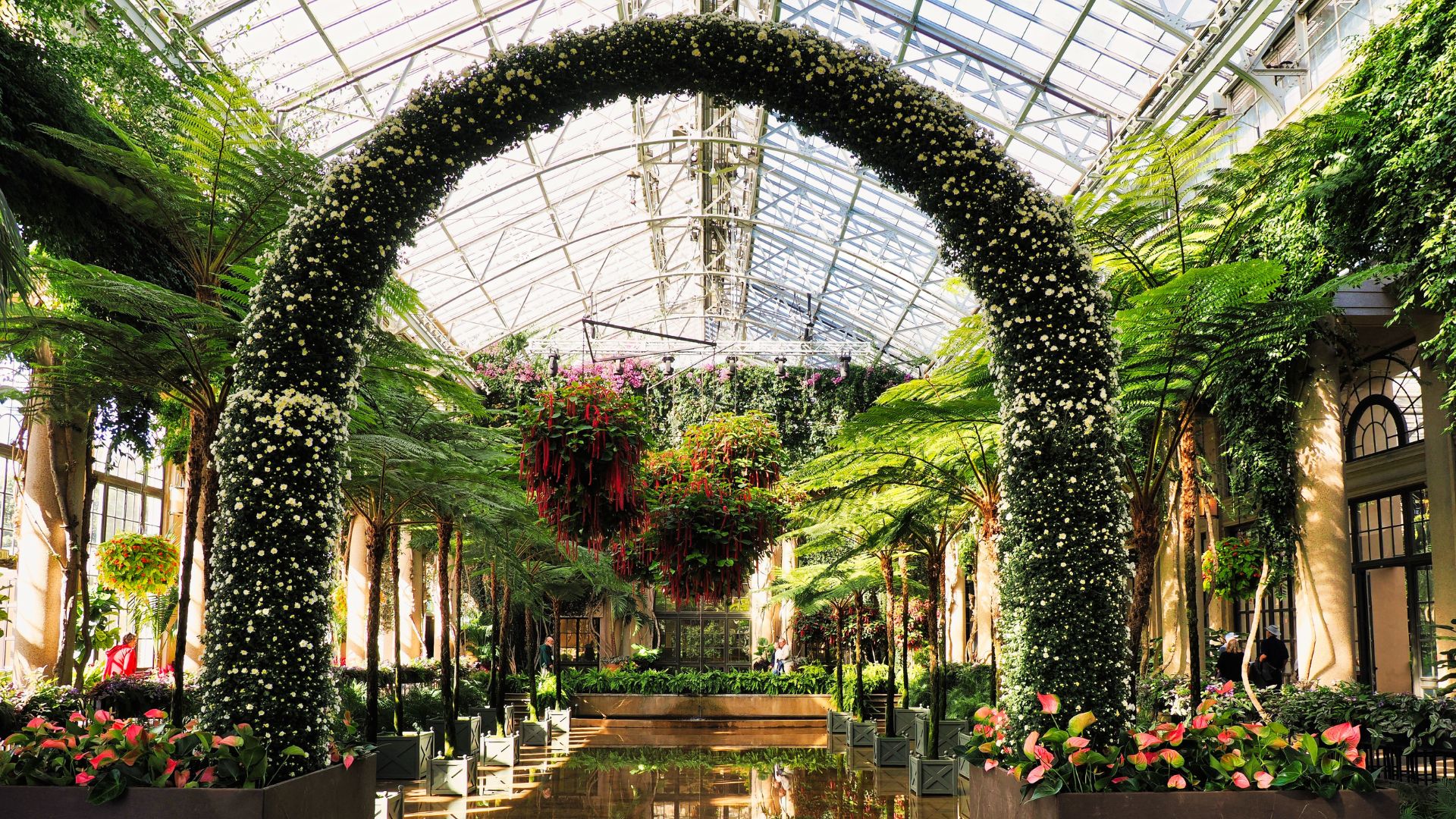
This setup lets the staff grow plants that normally wouldn’t survive in the Northeast. You can walk from a humid jungle filled with rare orchids straight into a dry desert room packed with silver cacti. It takes precise climate control to keep thousands of exotic plants alive through freezing Pennsylvania winters.
Engineering The Fountain
The water features here are just as complex as the plants. The Main Fountain Garden looks like it belongs at an old European palace, but the plumbing underneath is completely modern.
Advertisement
A few years ago, the entire fountain system got a massive upgrade. A hidden network of pumps, nozzles, and jets now shoots water up to 175 feet into the air. The water blasts are timed to music and lit up by hundreds of LED lights.
Instead of just turning a valve, it takes a dedicated control room and custom software to make the water move perfectly on cue. It is basically a high-tech water park built into a classic garden.
Timed For The Seasons
Growing plants on this scale requires crazy logistics. The staff does not just wait around and let things bloom naturally. They actually force plants to open at exact times.
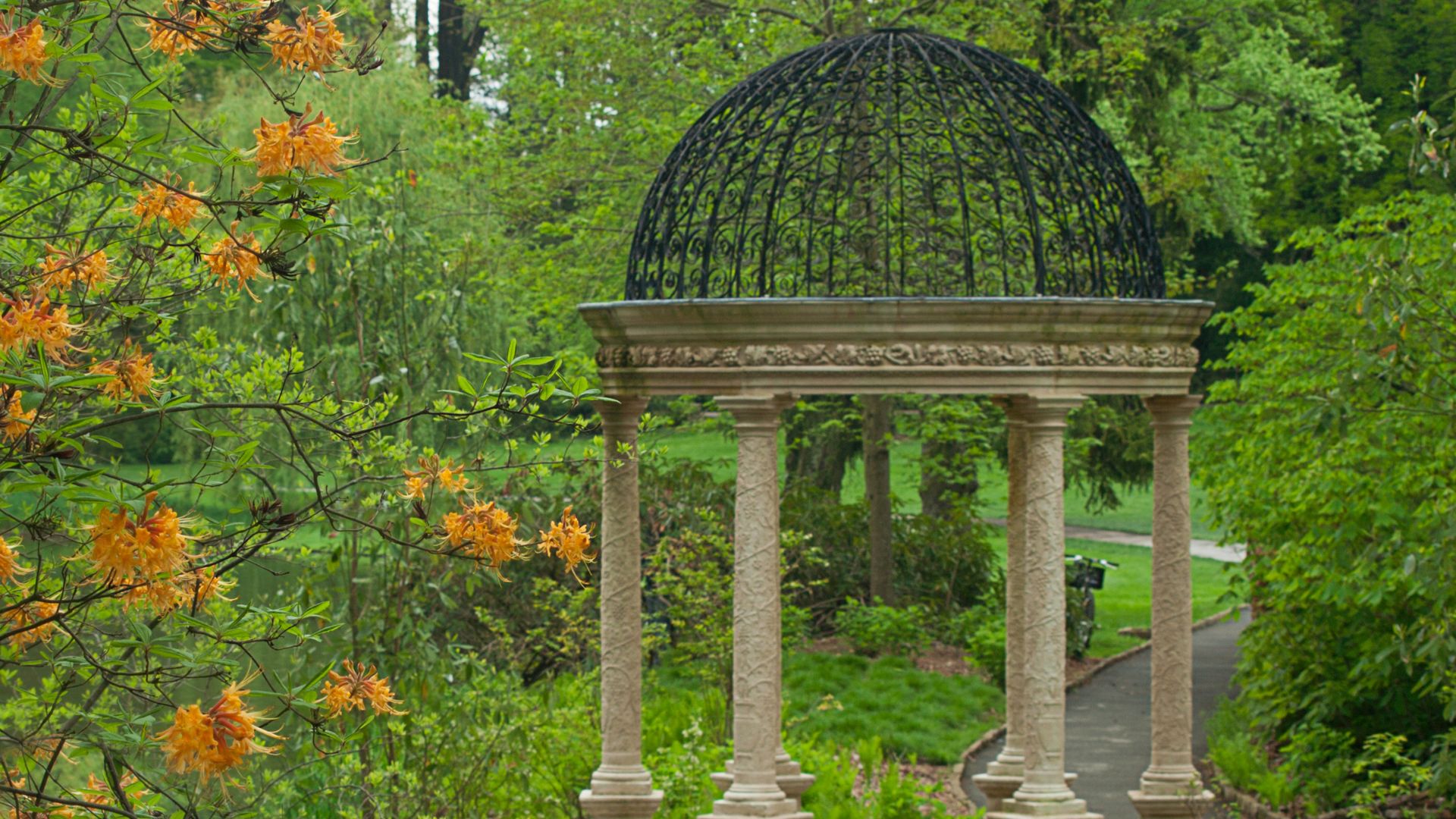
By tricking bulbs with specific light and temperature cycles in off-site greenhouses, they make sure thousands of tulips or chrysanthemums bloom on the exact same day. They map out the flower beds months in advance so the colors match up perfectly.
When one season ends, crews work overnight to pull out the old plants and install the new ones. Visitors show up the next morning to a completely different landscape. It is a great reminder of how much planning, plumbing, and science it takes to make nature look this perfect.
 Read Exclusive Stories
 Bookmark & Save Articles For Later