Photographer Lucas Foglia has built a career documenting connections between people and the “fragile and resilient” natural world. Known for his hyperreal images, Foglia uses photography to tell environmental stories that are both expansive and imaginative. In this exclusive interview with Tomorrow’s World Today, he reflects on his journey into nature photography, the inspiration behind his latest project, and how images can foster hope and connection during a precarious moment for the planet.
TWT: Tell us about yourself and what inspired you to begin your work in nature photography.
LF: I grew up on a small family farm in New York. The forest behind our house felt wild even as the surrounding land became suburban. My mother is a storyteller, and my father is an environmental educator, so nature and narrative were always intertwined at home. I found photography as a teenager and realized it could be a way to share stories about how we shape the landscape and how nature shapes us.
TWT: How would you describe your style as a photographer?
LF: My prints are hyperreal, lyrical, and compassionate. I look for moments in everyday life that feel transcendent, and make photographs that imply as much as they describe.
TWT: What is it specifically about the natural world that inspires your work?
LF: The natural world is both fragile and resilient. It adapts, it persists, and it shapes us even when we imagine we are separate from it.
TWT: Tell us about a few of your favorite photos you’ve captured. Why are they your favorites?
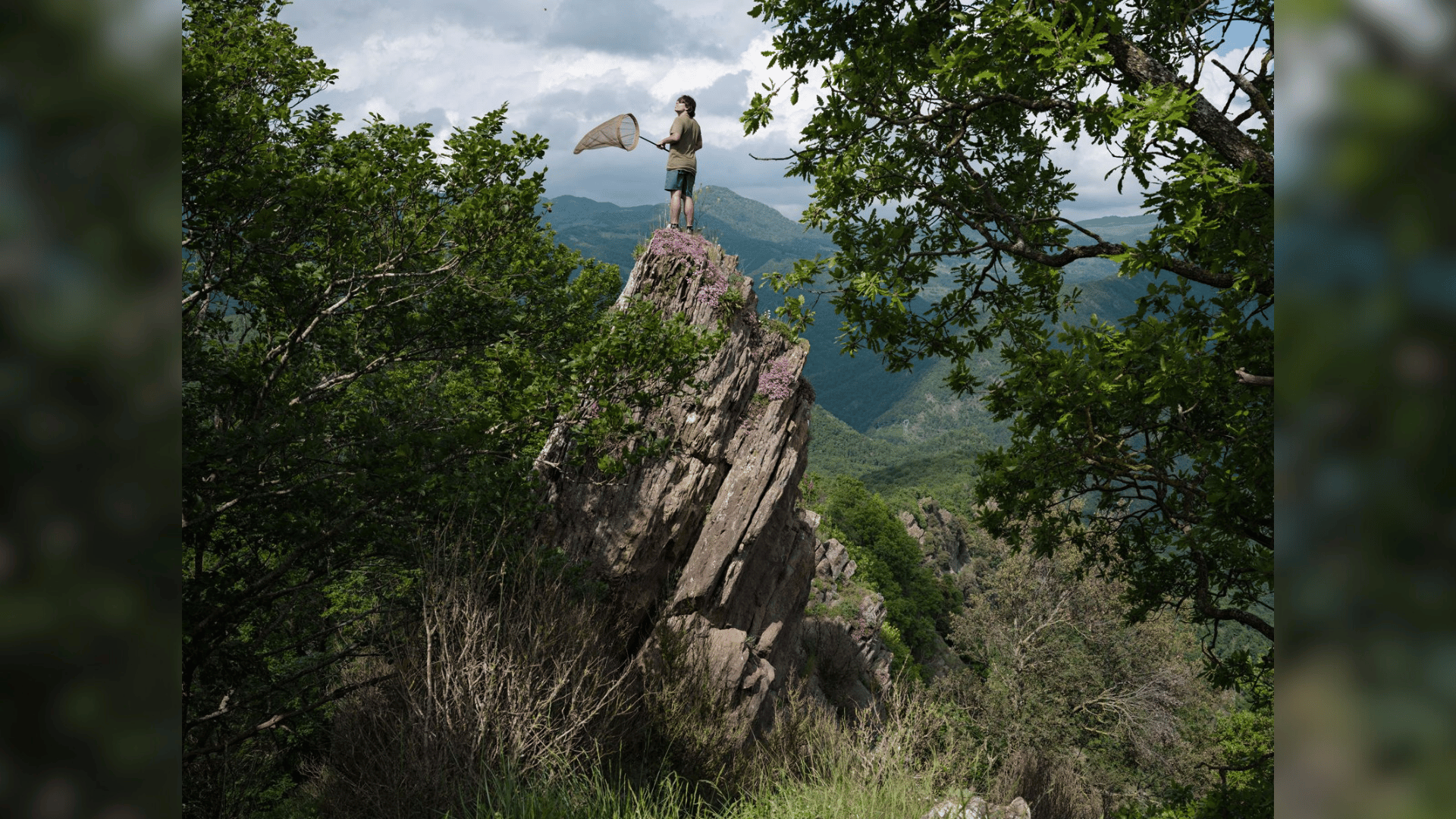
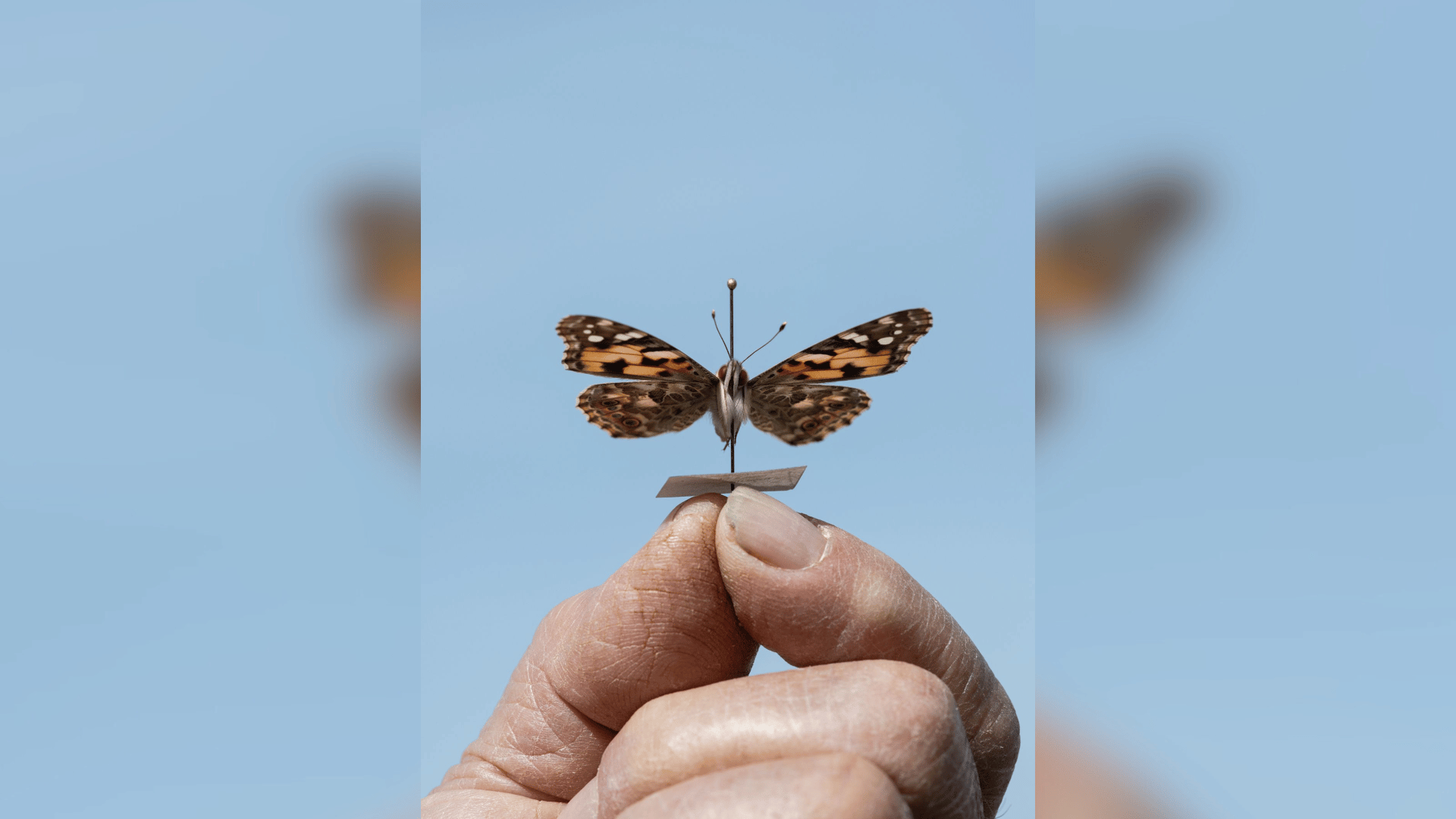
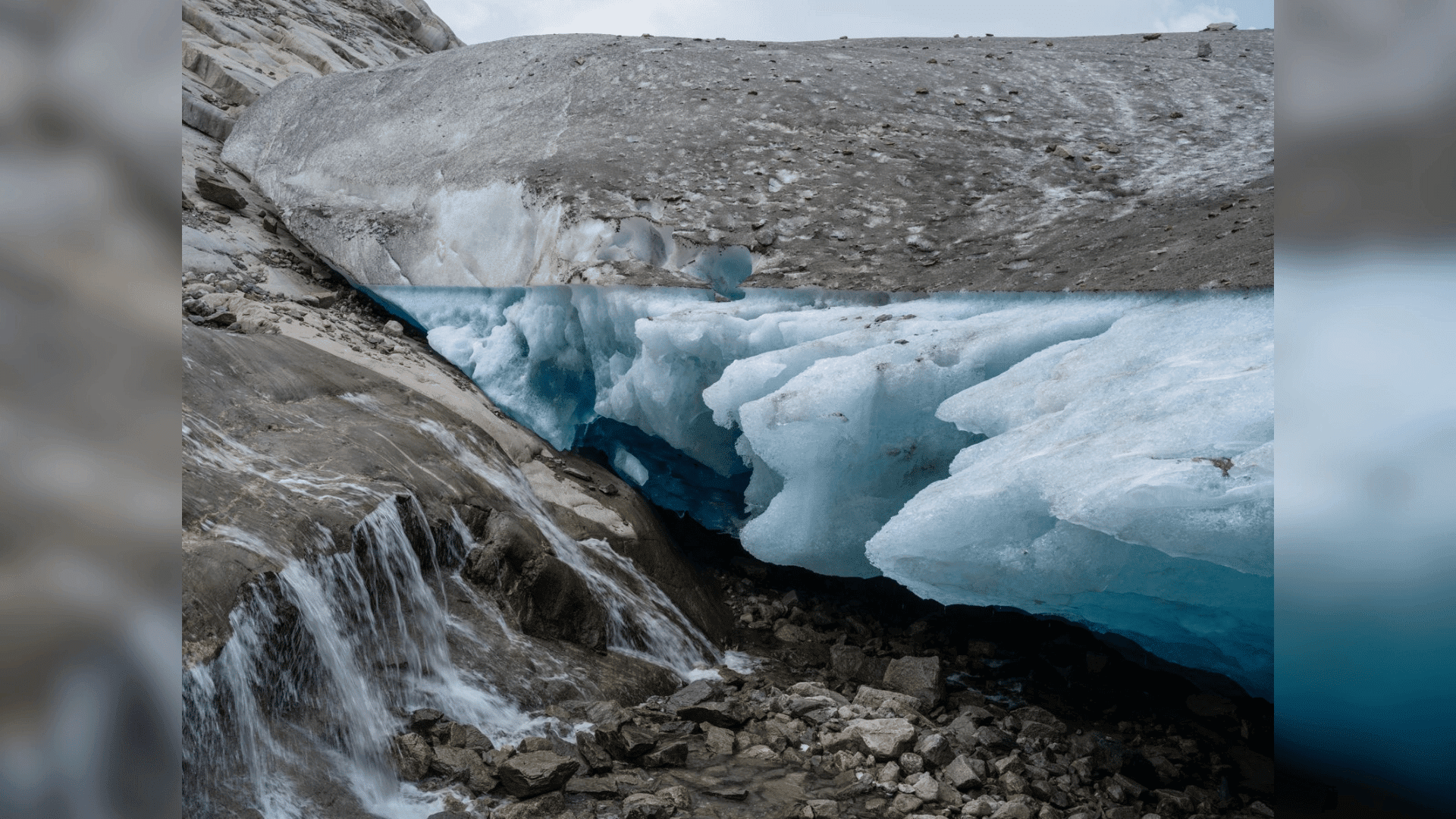
LF: Some of my favorites are from my new book and exhibition, Constant Bloom. For the past years, I have followed the discovery of the longest butterfly migration, which spans Europe, Africa, and the Middle East. A Painted Lady butterfly resting inside a camel skull in Jordan, adjusting to a drought-scarred landscape. Light on the surface of the Mediterranean Sea, showing the path that both butterflies and people take to Europe. Raluca, a scientist with a butterfly net, kneeling among blooming flowers on the edge of a melting glacier in Switzerland.
TWT: What brings you the most joy when people see your work, and why?
LF: I love when people feel a sense of connection through my photographs. At this precarious moment in history, when ecological threats are growing internationally, I do not think that photography will save the ecosystems of the world. Nevertheless, I see that photographs can compel people to pay attention and encourage them to care. I want my photographs to highlight positive examples, to inspire hope, and to point to possible next steps.
Advertisement
TWT: You’ve published several nature photography books. What inspired you to bring your photography into publishing?
LF: Books allow a story to unfold slowly. You hold the photographs in your hands, and the pacing is intimate. With Constant Bloom, the book let me weave the butterflies’ journey with the human stories I encountered across Europe, Africa, and the Middle East. Publishing also ensures the work travels far beyond me, which feels important for environmental stories.
TWT: How has your work evolved over time? What are your goals for the future?
LF: For decades, I photographed nature from the perspective of people. With Constant Bloom, I reversed that and let the non-human world lead. Following the butterflies became a way to think about connection across borders. Looking ahead, I want to continue collaborating with scientists and communities, and to expand into film and installations that let people experience these stories in new ways.
TWT: What type of gear or tips would you recommend for anyone planning to hike or spend extended time in nature?
LF: Bring what you need and know it well. Move with care. Leave each place better than you find it.
TWT: You’ve taught workshops and spoken to groups across the country. What do you find most rewarding about these experiences?
LF: The most rewarding part is seeing people notice something they hadn’t seen before in themselves and in the places they know well. When someone realizes that a familiar landscape is full of stories, or that a photograph can carry both beauty and meaning, it feels like a shared moment of discovery. I have been thinking about this for a workshop I am planning in Maine this summer.
TWT: What advice would you give to aspiring nature photographers?
LF: Spend time in the places you photograph. Learn from the people who live there. Learn from the plants and animals, too. Patience and curiosity matter more than equipment. Let the world surprise you, and let that surprise shape the work.
For more information about Lucas Foglia and his projects, follow him on Instagram and on lucasfoglia.com. Click here to learn more about his new book, Constant Bloom.