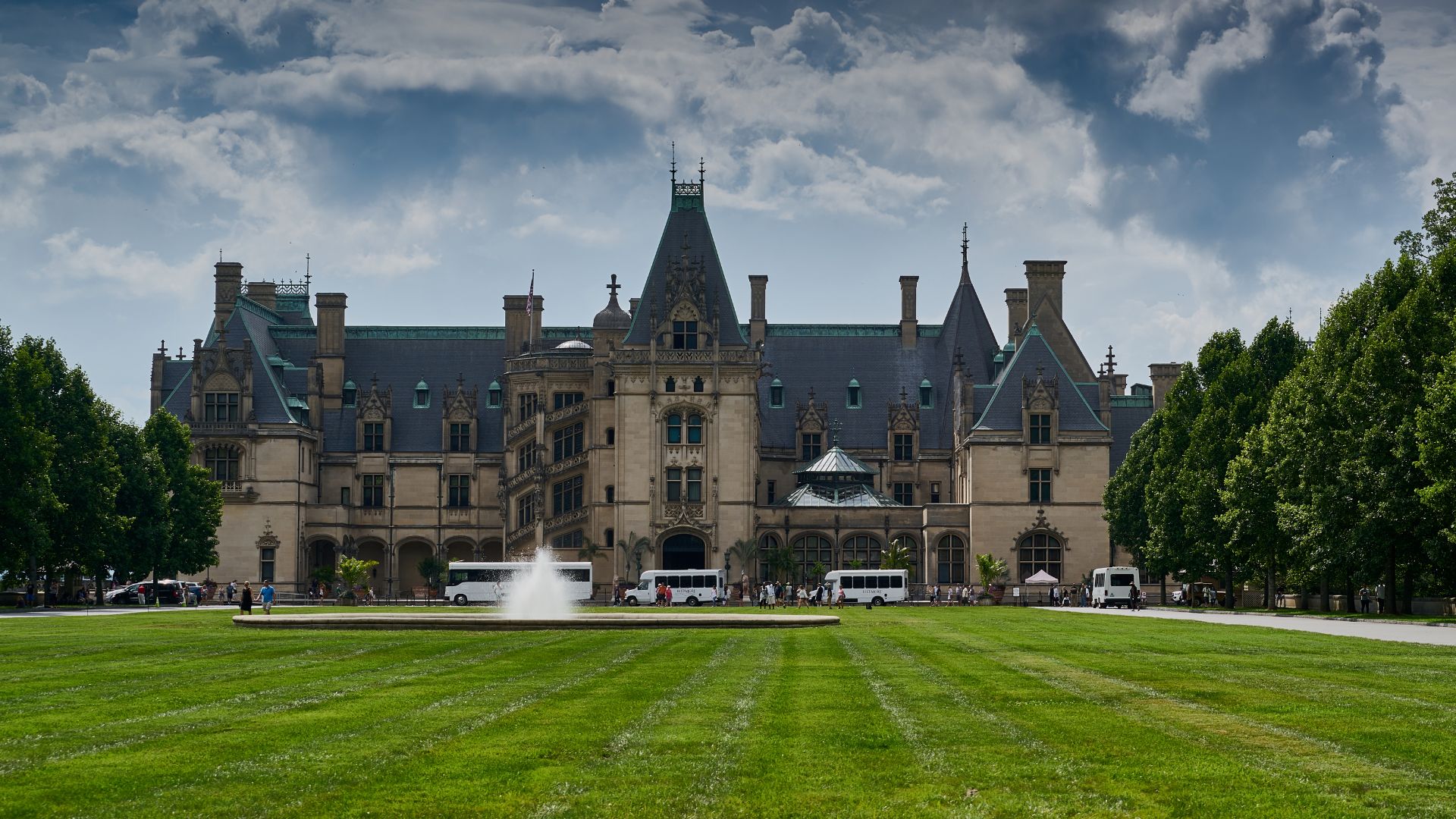
When George Vanderbilt built the Biltmore Estate in North Carolina back in the late 1800s, he created the largest privately owned house in the United States. But a house that big needs a yard to match. So he hired Frederick Law Olmsted to handle the landscape.
Olmsted was already famous for designing Central Park in New York City. At Biltmore, he had thousands of acres to work with. His plan was to bridge the gap between a massive European-style mansion and the rugged Blue Ridge Mountains surrounding it.
Formal Gardens Near The House
Right next to the mansion, Olmsted kept the design very tight and organized. This matched the building’s formal architecture. He laid out an Italian garden with straight walking paths, geometric grass panels, and three large reflecting pools.
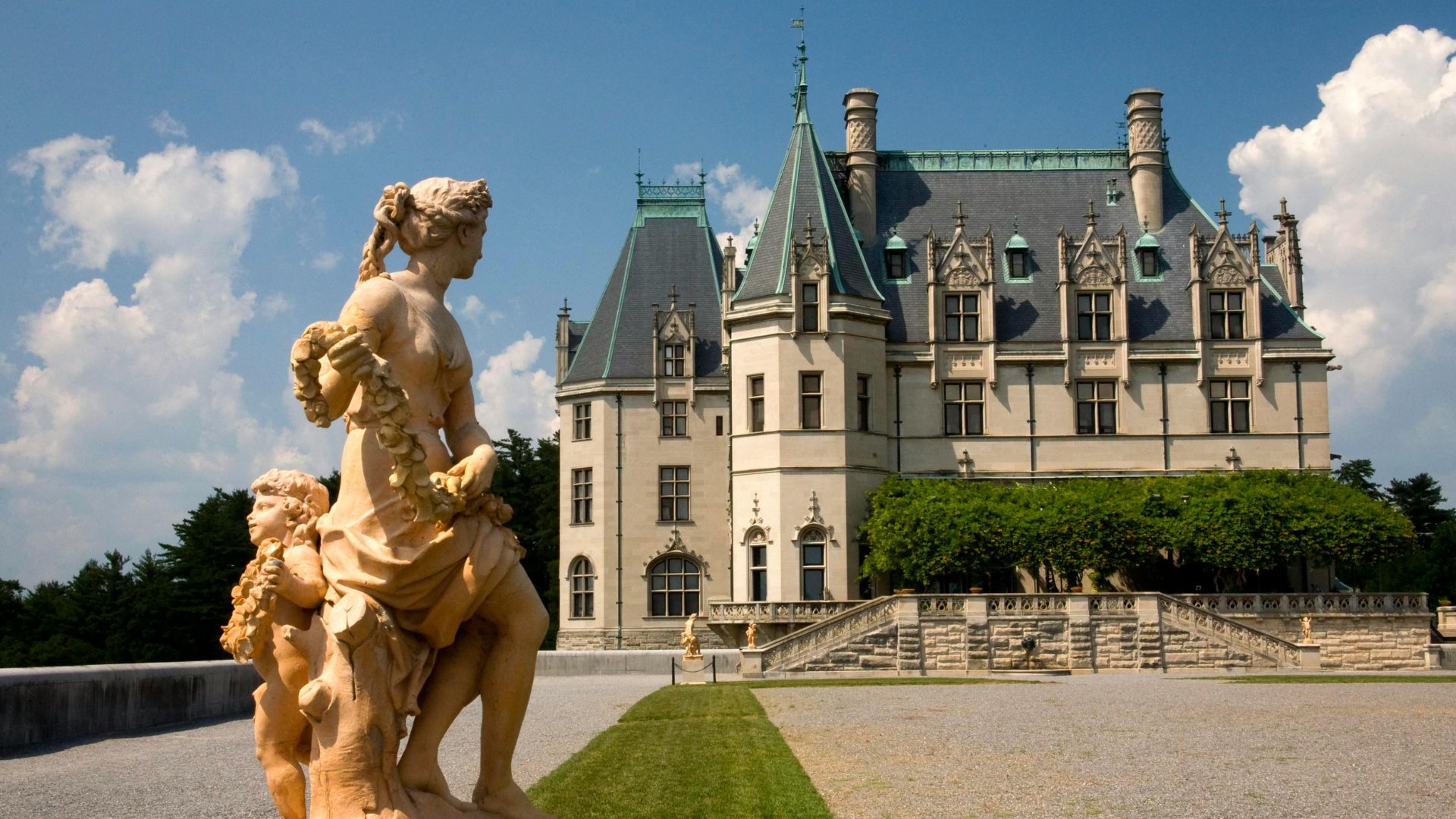
He also built a four-acre walled garden meant for growing flowers, along with a glass conservatory. Everything right around the house feels highly controlled. It looks exactly like the kind of manicured estate you would expect to see in France or England. But Olmsted knew he could not force that strict style across the entire property.
Transitioning To The Wild
As you walk further away from the stone walls of the house, the landscape softens. Olmsted designed a gradual shift from the formal gardens into nature.
Advertisement
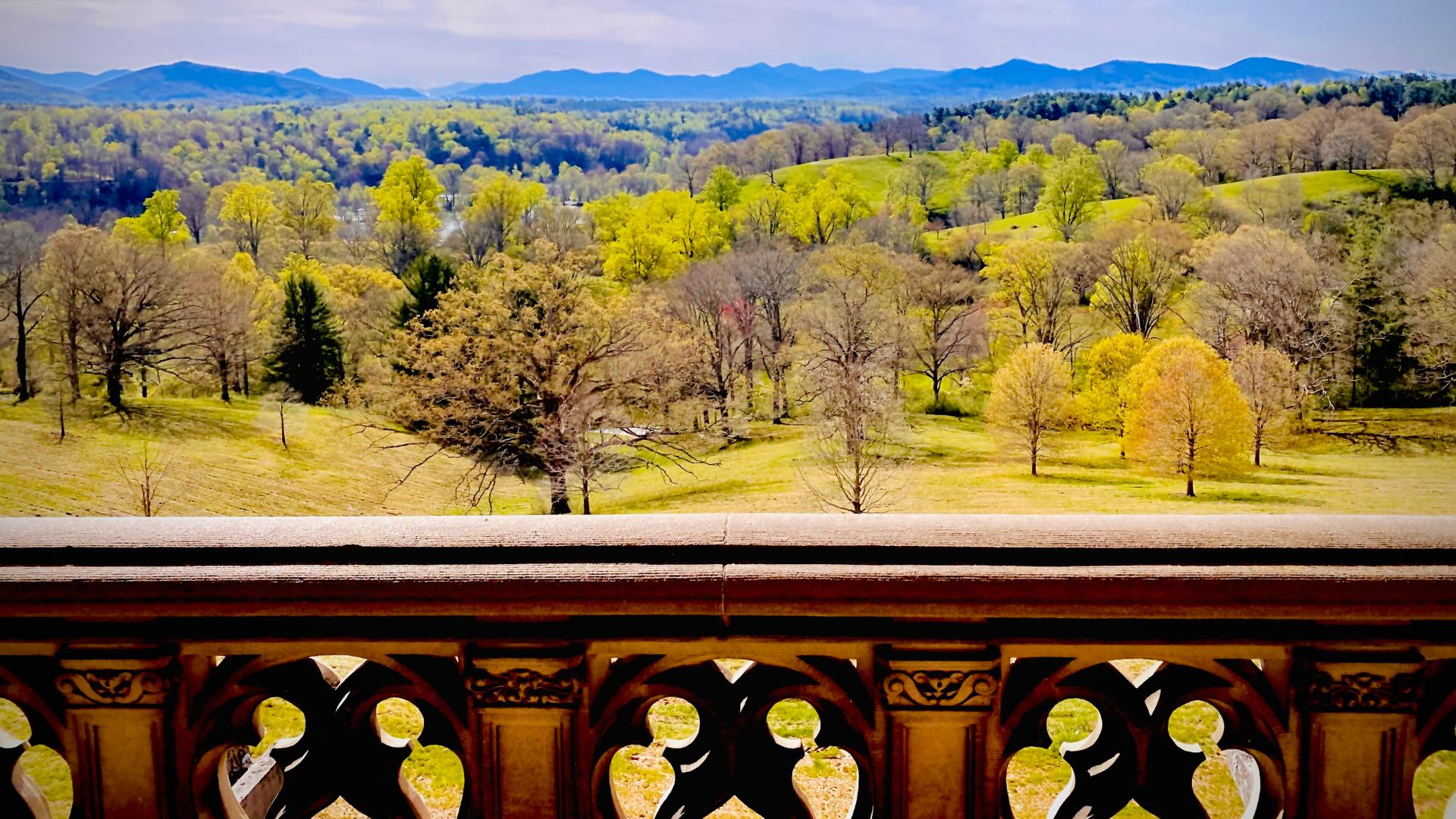
He created a shrub garden and a spring garden where the paths no longer run in straight lines. Instead, they wind around trees and follow the natural dips of the land. The plants look a little wilder and less trimmed. This was a specific choice. He wanted visitors to feel as if the formal estate were slowly dissolving into the natural mountain scenery.
Restoring A Ruined Forest
The most impressive part of Olmsted’s design is what you cannot easily see. When Vanderbilt first bought the property, the land was in terrible shape. Years of aggressive farming and logging had cleared out the trees and ruined the topsoil.
Instead of trying to plant endless acres of grass, Olmsted suggested something different. He told Vanderbilt to turn the ruined land into a managed forest. They planted millions of native trees and established the country’s first scientific forestry program.
Today, the dense woods surrounding the Biltmore look completely natural. But almost every part of that forest was deliberately planned and planted over a century ago to bring the dead soil back to life.
 Read Exclusive Stories
 Bookmark & Save Articles For Later