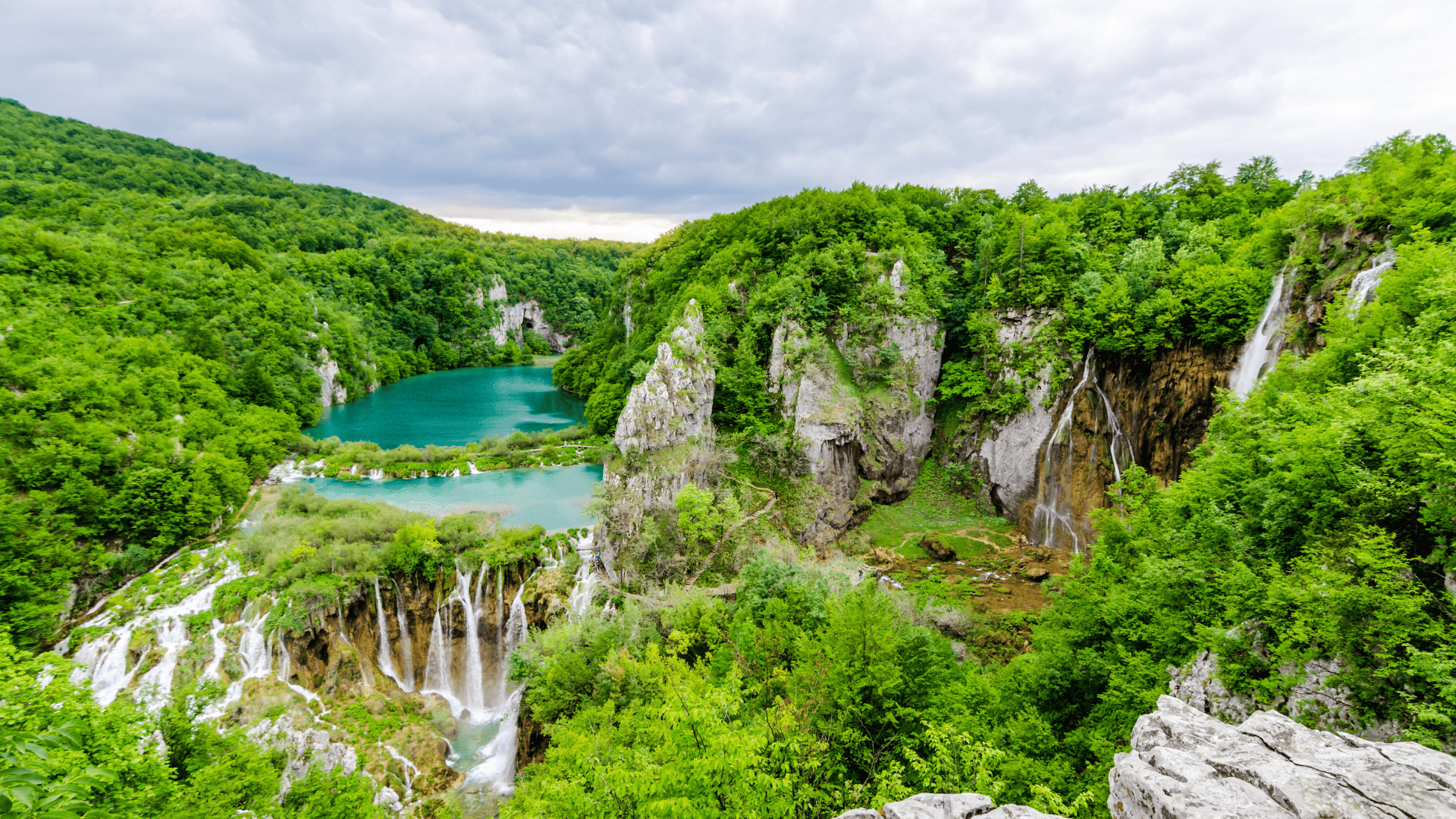
If you happen to walk through Plitvice Lakes National Park in Croatia, you will encounter a massive chain of waterfalls. Plitvice Lakes National Park contains 16 lakes stacked atop one another in a forest canyon, each with bright turquoise water that cascades into the next.
These natural wonders were not built by humans but formed naturally from the local environment. It remains a process that occurs in these lakes even today.
Growing Stone Barriers
The lakes in Plitvice Park are fed by rivers that flow through underground karst. The rock is primarily composed of limestone. As the rivers flow through the limestone underground, they dissolve heavy amounts of the limestone’s primary component: calcium carbonate.
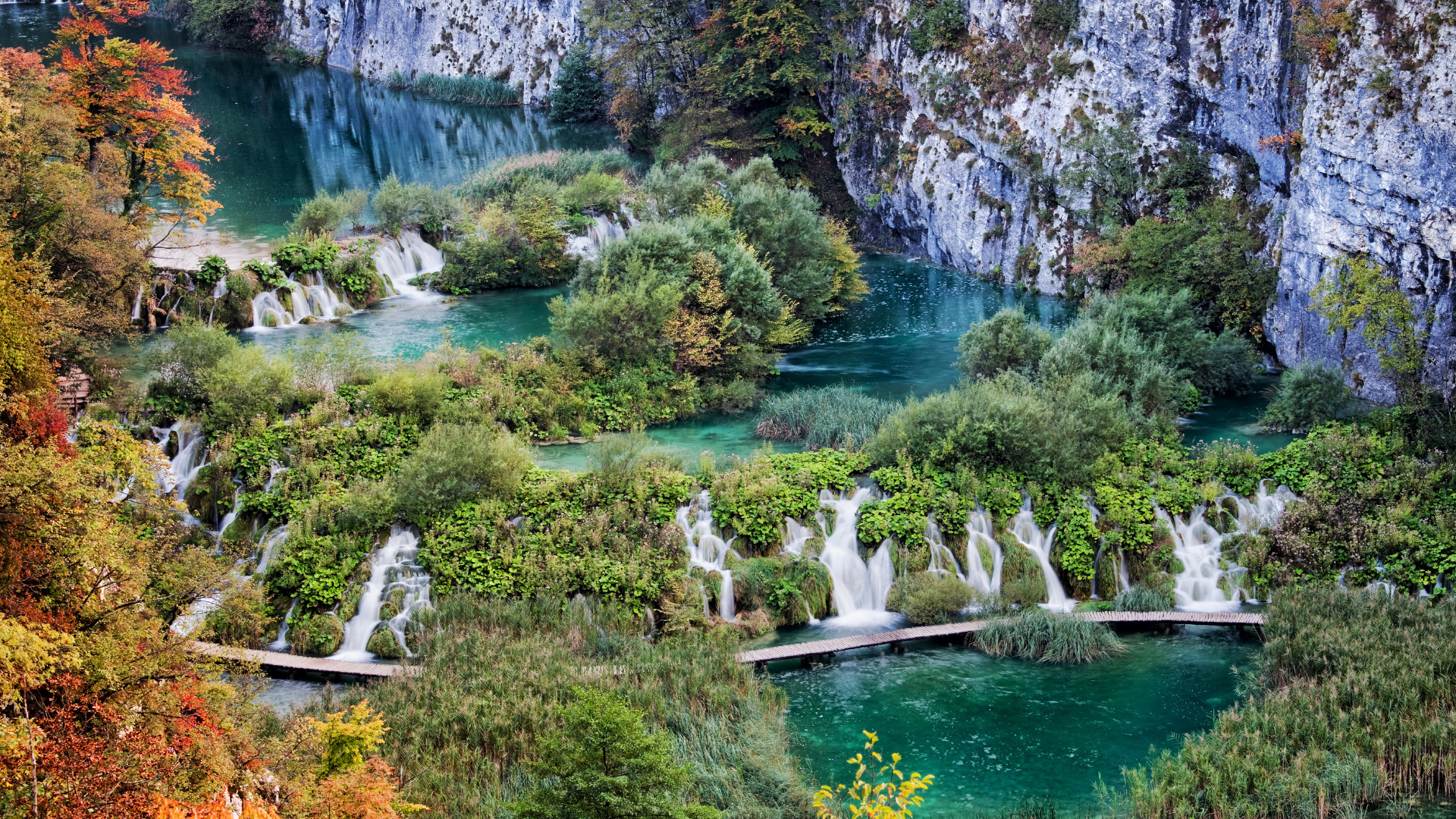
When the mineral-rich water from the canyon finally hits the open air, the calcium carbonate from the water settles out of the liquid. The minerals coat any surface that they find. It coats the moss, algae, and fallen trees that sit in the river.
Advertisement
These coated plants eventually harden over time into a spongy rock called tufa. The tufa forms a dam across the river, creating a deep pool behind it. When the pool reaches too high a level, the water forms a waterfall over the tufa rock into the next lake in the system.
A Constantly Changing Shape
The tufa is comprised of living plants and running water, so it grows at an incredibly fast rate. In some spots throughout the park, the barriers grow to approximately half an inch thick every year.
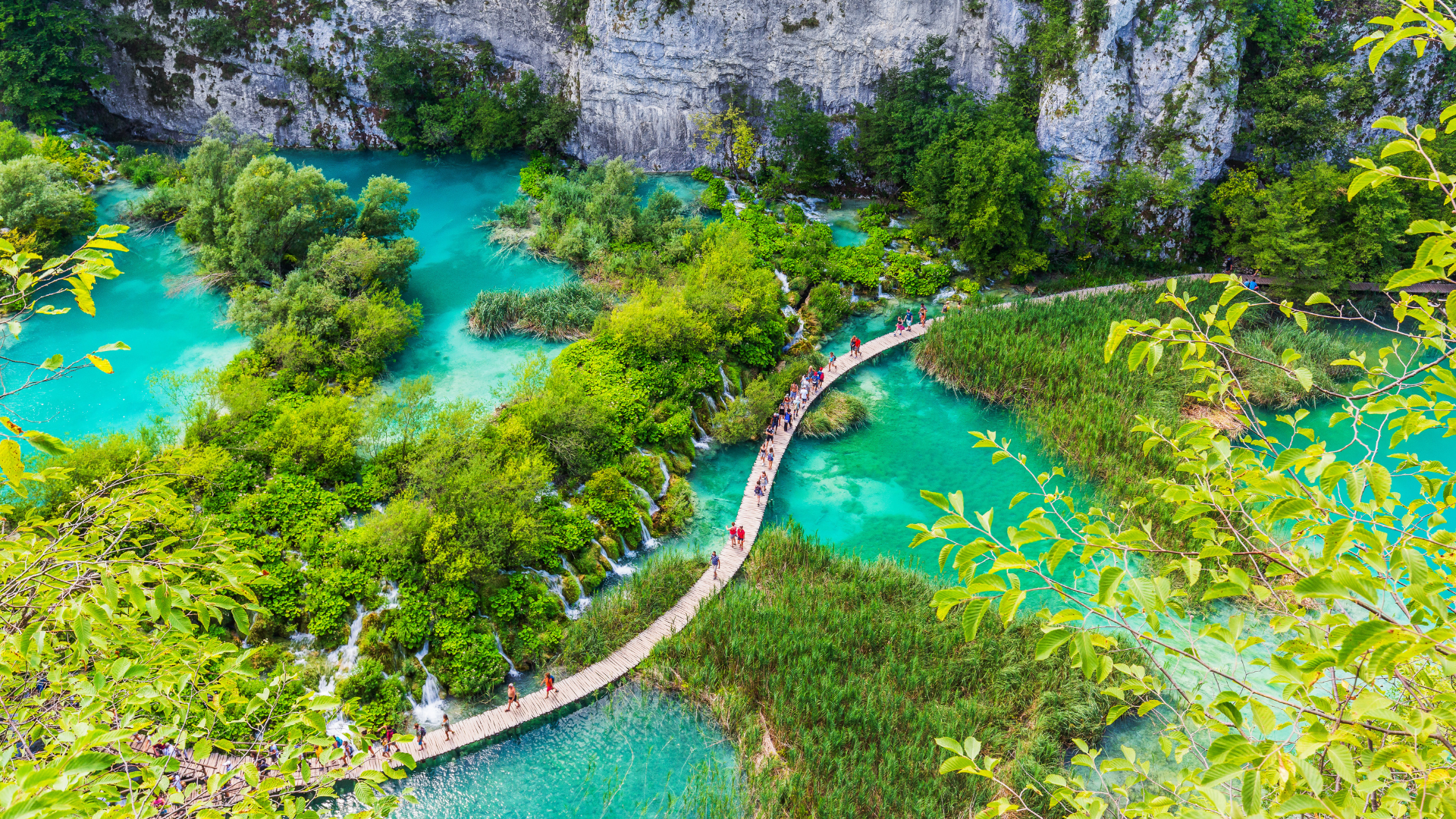
The land is never the same in the park. As the dams grow higher, the water levels rise with them. If a barrier becomes too heavy, it can collapse, and the water rushes down a new path. The waterfall that guests may take a photo of today might dry up in a few years, but a new one may have developed elsewhere in the park.
The color of the water within the lakes changes with the same frequency. The color changes from bright blue to deep green and even gray, depending on the angle of sunlight on the lake and the minerals in the water.
Finally, the ecosystem is incredibly fragile. The moss and algae that live in these lakes need clean, constantly moving water to grow the tufa rocks. If the water becomes polluted or the climate changes, the natural phenomenon of the tufa will cease to exist.
 Read Exclusive Stories
 Bookmark & Save Articles For Later